Montreal Fall Visibility: Wipers, Washer Fluid, Defrosters, and Lighting Checks Before Winter
In Brief: Washer Fluid for Winter: Montreal Wiper & Frost Checks
- Check wipers, washer fluid, defrosters, glass, and exterior lighting before winter.
- SAAQ recommends replacing wipers when they streak, skip, make noise, or show physical damage.
- Transport Canada recommends winter washer fluid rated to approximately -40°C.
- A failed defroster requires diagnosis rather than automatically replacing one component.
Montreal drivers do not have to wait for the first major snowfall to discover that a wiper blade streaks, the washer fluid freezes, or a defroster cannot clear the glass.
Fall provides a useful opportunity to inspect the systems that help drivers see and be seen. Before cold weather arrives, check wipers, heating and defrosting, washer fluid, headlights, turn signals, and hazard lights.
At our auto mechanic school, this type of fall car maintenance demonstrates how several relatively simple systems work together to maintain visibility.
What Should Be Included in a Fall Vehicle-Visibility Check?
Technicians can inspect the windshield and other glass, wiper blades, washer operation and fluid, front and rear defrosting systems, and exterior lighting.
The windshield should be checked for damage or conditions that interfere with visibility. Washer nozzles should spray effectively, while lights need to illuminate properly and remain visible to other road users.
The heating and defrosting system matters too. Defrosters remove fog, condensation, and frost that can obstruct the windshield and windows. SAAQ notes that air conditioning can also help clear fog because it removes moisture from cabin air, including during winter.
For students in our automotive school, a visibility check connects mechanical inspection with electrical and HVAC diagnosis.
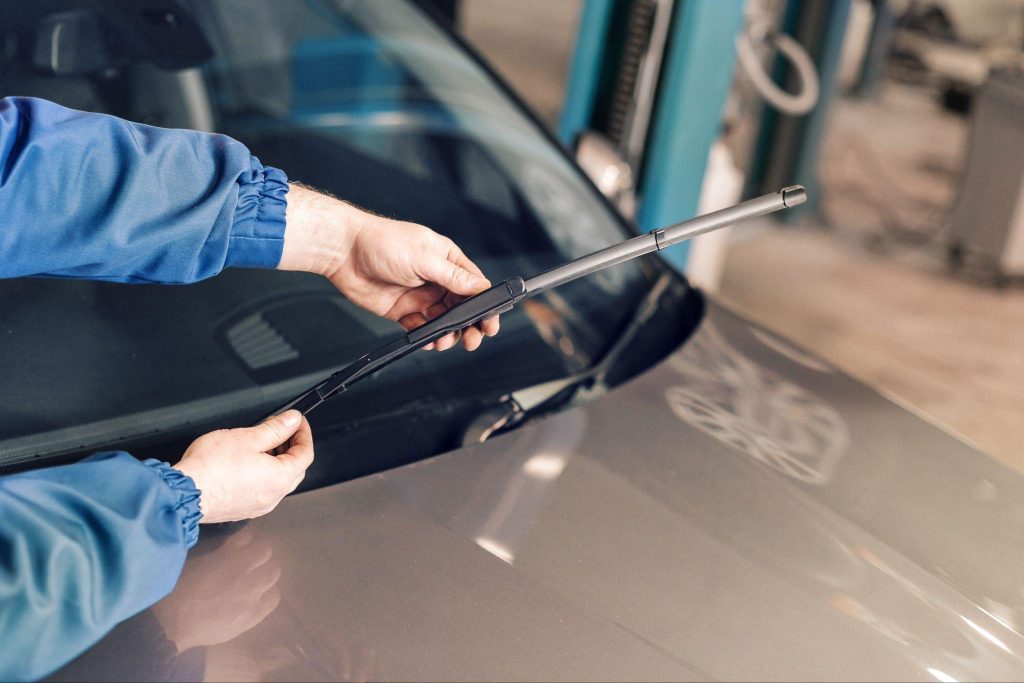
How Do You Know When Windshield Wipers Need Replacement?
SAAQ recommends replacement when blades leave streaks, a film, or unswept areas; jerk or make noise; or have cracked, torn, or uneven rubber. A windshield wiper inspection should therefore consider more than whether the wiper arms move. Technicians can check blade condition, contact with the glass, sweep quality, washer operation, and whether the correct blade size is installed.
SAAQ recommends replacing blades at least annually and identifies fall as an ideal time because summer heat and sunlight can deteriorate the rubber.
Technicians should also avoid operating wipers while they are frozen to the windshield. SAAQ recommends using the windshield defogger and allowing the blades to thaw first, helping prevent blade or wiper-system damage.
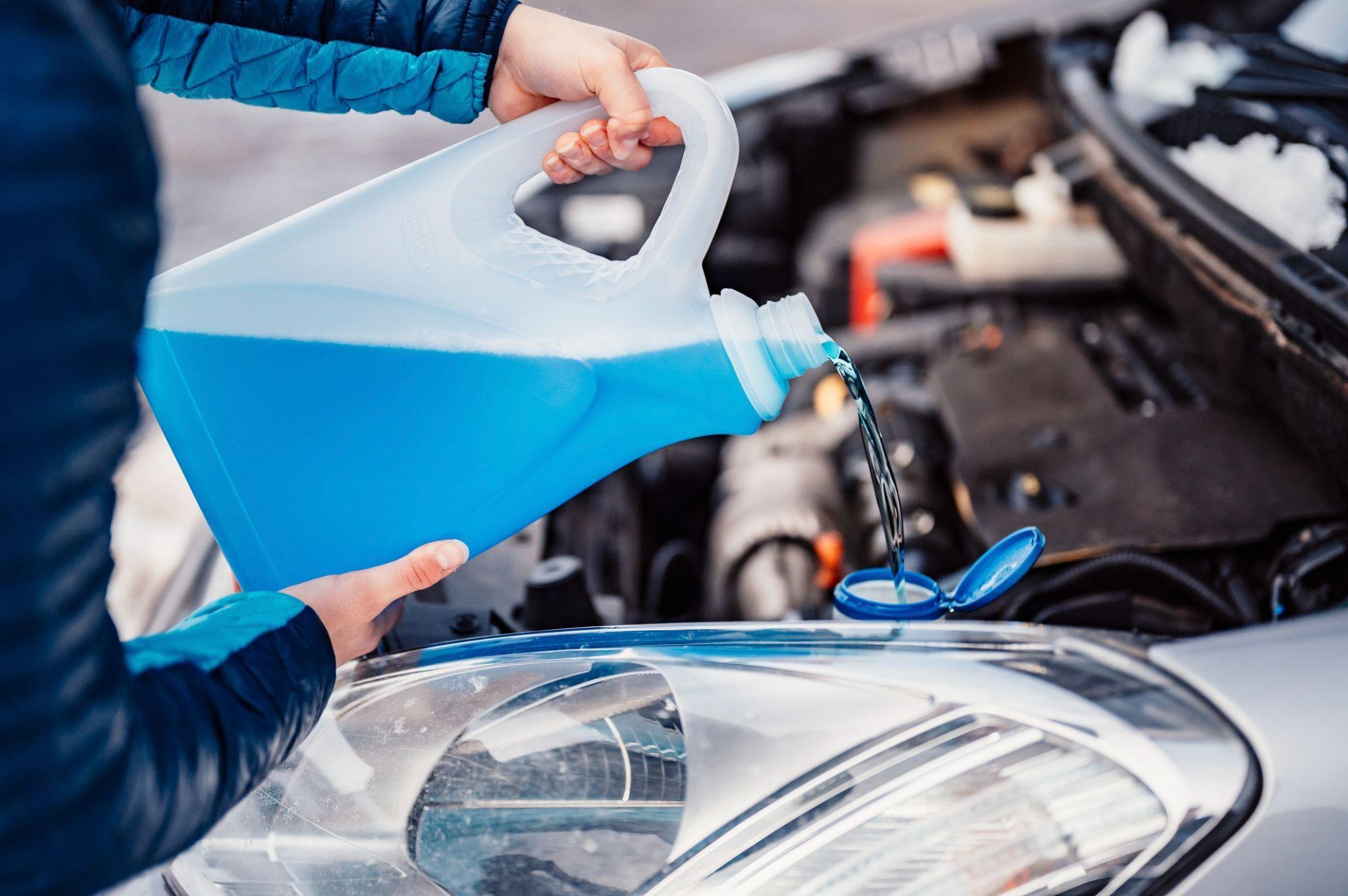
How to Choose Washer Fluid for Winter
Drivers should switch to a winter-rated product capable of remaining effective at the temperatures the vehicle is likely to encounter. Transport Canada specifically recommends filling the reservoir with winter washer fluid rated around -40°C and carrying an extra container in the vehicle. SAAQ likewise recommends keeping the reservoir full and carrying winter washer fluid as part of a winter kit.
Choosing suitable washer fluid for winter before temperatures drop helps avoid discovering that a warmer-weather fluid cannot perform when it is needed. Technicians can also check the reservoir, pump operation, hoses, and nozzle spray pattern. If fluid does not reach the windshield properly, the problem may involve more than the fluid itself.
Why Is My Rear-Window Defroster Not Working?
The fault can involve the electrical circuit, fuse, connections, switch or control system, or the conductive grid on the rear glass, depending on vehicle design.
The rear defroster works differently from the windshield HVAC defroster. Thin electrical conductors across the rear glass generate heat to clear fog or frost. Damage to those conductors can prevent part of the window from clearing.
SAAQ’s passenger-vehicle guidance warns against using abrasives or scrapers on the inside of the rear window because they can damage the thin electrical wires.
When diagnosing a rear window defroster not working, technicians can first determine whether the entire grid has failed or only a section is affected. That observation helps direct electrical testing.
A car defroster not working at the windshield may require a different diagnostic path involving airflow, blower operation, HVAC controls, temperature, air conditioning, or other system components.
For students considering auto careers, these checks show why seasonal maintenance involves diagnosis as well as component inspection. Preparing a vehicle for winter means making sure its visibility systems can perform when rain, darkness, frost, snow, and road spray make them most important.
Would you like to explore training opportunities at our auto mechanic school?
Contact ATC Montreal for more information.
Key Takeaways
- Fall is a useful time to inspect wipers, washers, defrosters, glass, and exterior lighting.
- Replace wipers that streak, skip, jerk, make noise, or show damaged rubber.
- Use washer fluid for winter with a suitable low-temperature rating; Transport Canada recommends approximately -40°C.
- Front and rear defrosters operate differently and require different diagnostic approaches.
- Partial rear-defroster failure can point technicians toward damage in the heating grid.
- Visibility maintenance becomes especially important before Montreal’s freezing conditions arrive.
FAQ
What should be included in a fall vehicle-visibility check?
Check the wiper blades and washer system, winter washer fluid, windshield and other glass, front and rear defrosters, headlights, turn signals, hazard lights, and other visibility-related equipment.
How do you know when windshield wipers need replacement?
Wipers may need replacement when they leave streaks or unswept areas, make noise, jerk across the glass, or have cracked, torn, or uneven blades.
Why is my rear-window defroster not working?
Possible causes include an electrical supply problem, fuse, connection, control fault, or damage to the conductive heating grid. Technicians diagnose the circuit before determining what requires repair.