Montreal Fall Rain: Tire Tread, Hydroplaning, and Wet-Weather Inspection Basics
In Brief: The Importance of Tire Tread Depth Checks
Wet roads can increase the risk of hydroplaning when tires can no longer move enough water away from the contact patch. Technicians check tire tread depth, inflation pressure, wear patterns, and visible damage before recommending whether a tire remains suitable for service. In Quebec, the legal minimum tread depth for most passenger-vehicle tires is 1.6 mm (2/32 in), but the SAAQ also stresses that traction decreases as tires wear and that even newer tires can hydroplane if conditions are severe.
Montreal’s fall weather can change quickly. A dry commute in the morning may become a steady downpour by the afternoon, leaving water pooled in wheel tracks and low areas of the road.
For drivers, that can mean reduced visibility and grip. For future technicians, it creates an opportunity to understand why tire condition matters so much when roads are wet.
Students at our auto mechanic school learn that tire tread depth is not simply a number recorded during an inspection. Tread grooves help evacuate water from beneath the tire. As those grooves become shallower, the tire has less capacity to move water away and maintain contact with the pavement.
What Causes a Car to Hydroplane in the Rain?
Hydroplaning occurs when a layer of water builds between the tires and road surface, reducing or temporarily eliminating normal tire contact with the pavement.
The SAAQ explains that in heavy rain, tires can begin to float on accumulated water when their tread can no longer evacuate it effectively. Speed, worn tread, and underinflation can all increase the risk. This is why technicians look at several factors together.
A tire with deep, healthy grooves has a better opportunity to channel water away than one near its wear limit. However, even a newer tire can hydroplane if the vehicle is travelling too quickly for the amount of standing water present. The SAAQ specifically warns that driving conditions must always be adjusted to tire wear, road conditions, and weather.
For students completing automotive school, that distinction matters: tire condition affects risk, but driver behaviour and water depth matter too.
How Much Tire Tread Depth Is Needed for Safe Wet-Weather Driving?
How much tire tread is needed for safe wet-weather driving? In Quebec, the regulatory minimum for most passenger-vehicle tires is 1.6 mm, or 2/32 of an inch. Wear indicators must also not be in contact with the road surface.
That legal threshold should not be confused with a guarantee of ideal wet-weather performance.
The SAAQ notes that tire traction generally decreases progressively as tread wears toward the legal limit. That means a tire can still be legally usable while providing less wet-road grip than it did when newer.
This is where technicians need to combine measurement with judgment.
When learning how to check tire tread, students may measure more than one groove and look across the width of the tire rather than recording a single convenient spot. Uneven wear can reveal additional problems. The SAAQ notes, for example, that one-sided wear may suggest alignment concerns, while irregular bald areas can be associated with imbalance or worn or bent suspension components.
How Can Drivers Reduce the Risk of Hydroplaning?
Maintaining tires properly and reducing speed when roads are wet are two important steps. The SAAQ identifies excessive speed, worn tires, and underinflation as factors that increase hydroplaning risk. It also advises adapting driving to weather and road conditions.
For technicians, prevention starts with inspection.
A wet-weather tire check can include:
- Measuring remaining tire tread depth
- Inspecting for uneven wear
- Checking for cuts, bulges, deformation, or embedded objects
- Verifying inflation pressure
- Confirming that tread grooves are not excessively worn
- Looking for signs of alignment or suspension concerns
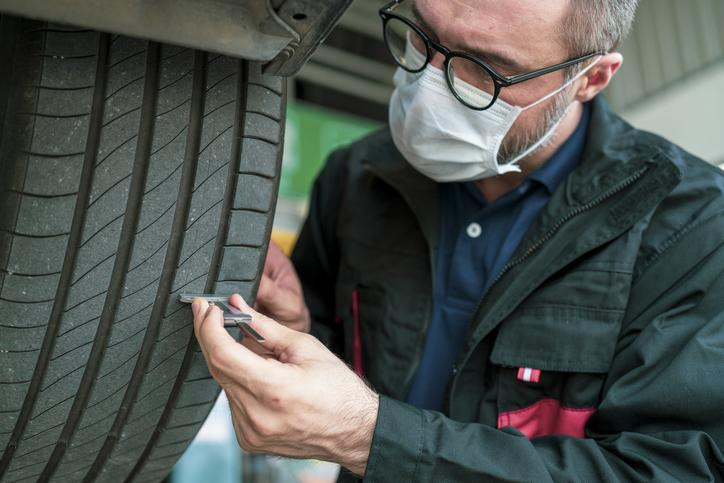
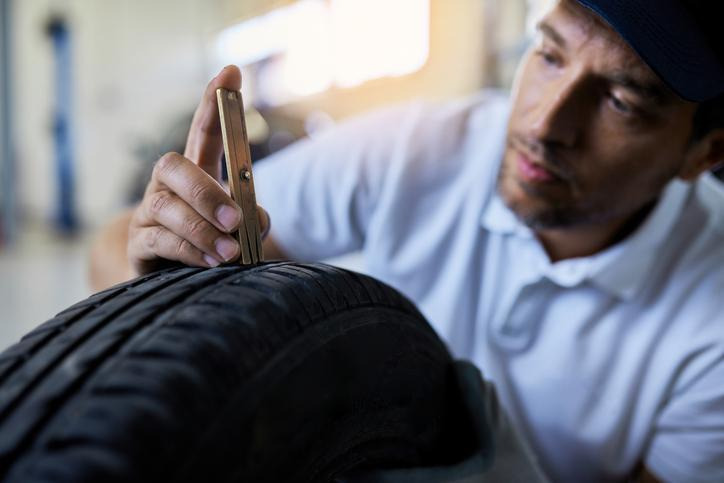
Using a tire tread depth gauge provides a precise measurement. The SAAQ’s mechanical inspection guidance specifically describes measuring the minimum tread depth in a main groove and avoiding tread-wear indicators when taking the reading.
For future technicians considering auto careers, this is a good example of how a seemingly simple inspection can support safer vehicle operation.
Does Low Tire Pressure Increase Hydroplaning Risk?
Yes. The SAAQ specifically identifies underinflation as a factor that can make loss of control on wet roads more likely. Correct inflation helps the tire maintain its intended contact with the road and supports more effective water evacuation.
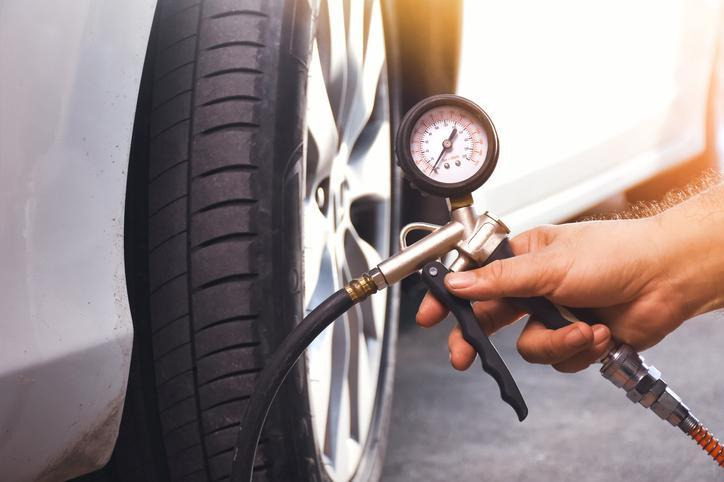
The SAAQ recommends checking tire pressure every month and using the vehicle manufacturer’s specified pressure, found in the owner’s manual or typically on the driver’s-door information label. It also lists reduced hydroplaning risk among the benefits of correct tire pressure.
Temperature changes are relevant in Montreal as well. Fall weather can swing from mild afternoons to much colder mornings, and the SAAQ identifies temperature variation as one factor that influences tire pressure. That makes seasonal pressure checks particularly useful as temperatures begin falling.
How Do Technicians Measure Tire Tread Correctly?
Knowing how to measure tire tread means doing more than looking for a tire that appears bald. A technician can use a dedicated depth gauge to measure the remaining groove depth at several points around and across the tire. Measurements should be taken in the main tread grooves rather than directly on the raised wear indicators.
The SAAQ’s mechanical inspection guide describes this approach and identifies 1.6 mm as the height associated with a tread wear indicator.
Multiple measurements matter because tires do not always wear evenly. Lower tread on one edge can suggest an alignment issue. Wear concentrated in the centre can be associated with overinflation, while excess wear along both edges can indicate underinflation.
A technician therefore uses tread measurement not only to estimate remaining tire life, but also to gather evidence about other vehicle conditions.
Why Wet-Weather Tire Inspection Matters for Future Technicians
Fall rain provides a practical reminder that a tire’s job is much more complicated than simply supporting the vehicle.
The small contact patches beneath the four tires must transmit acceleration, braking, and steering forces while dealing with surface irregularities and, sometimes, significant amounts of standing water.
Road traction depends on tire quality, wear, and pressure. For future technicians, inspecting those factors teaches a broader diagnostic habit: look beyond whether something merely meets a minimum standard.
A tire may still exceed the legal tread limit but show uneven wear, low pressure, cracking, or reduced ability to cope confidently with heavy rain. Explaining those observations clearly can help customers make more informed maintenance decisions before Montreal’s wet fall roads become winter roads.
Would you like to explore training opportunities at our auto mechanic school?
Contact ATC Montreal for more information.
Key Takeaways
- Tire tread depth helps determine how effectively grooves can move water away from beneath the tire.
- Hydroplaning occurs when water separates the tire from the road surface, and traction is temporarily reduced.
- Speed, tread wear, and underinflation can increase hydroplaning risk.
- Quebec’s minimum tread depth for most passenger-vehicle tires is 1.6 mm (2/32 in).
- Legal tread depth does not mean maximum wet-weather traction; grip generally declines as a tire wears.
- A tire tread depth gauge helps technicians measure tread precisely at multiple locations.
- Uneven wear can provide clues about inflation, alignment, balance, or suspension concerns.
- The SAAQ recommends checking tire pressure monthly and following the manufacturer’s specified inflation pressure.
FAQ
What causes a car to hydroplane in the rain?
Hydroplaning occurs when tires can no longer evacuate enough water and begin losing contact with the road. Excessive speed, worn tread, standing water, and underinflated tires can increase the risk.
How much tire tread is needed for safe wet-weather driving?
Quebec law requires at least 1.6 mm (2/32 in) for most passenger-vehicle tires, but traction can decline before the tire reaches that minimum. Drivers should consider both tread condition and weather conditions.
How can drivers reduce the risk of hydroplaning?
Drivers can reduce speed in heavy rain, maintain correct tire pressure, monitor tread wear, replace damaged or excessively worn tires, and adapt their driving to standing water and road conditions.
Does low tire pressure increase hydroplaning risk?
Yes. The SAAQ identifies underinflation as a factor that can increase hydroplaning risk and recommends maintaining the vehicle manufacturer’s specified tire pressure.