Megohmmeter Basics: The Test EV Techs Use to Check Insulation Safety
TL;DR
A megohmmeter is used in EV diagnostics to perform an insulation resistance test, helping technicians detect electrical leakage. This test is essential for maintaining high-voltage safety and ensuring that components like the battery are properly insulated.
As electric vehicles become more advanced, safety procedures are evolving alongside them. One of the most important tools in EV diagnostics is the megohmmeter, used to verify that high-voltage systems are properly insulated.
Unlike standard electrical testing, EV systems operate at voltages that require strict attention to high-voltage safety. Even small insulation failures can create risks for both the technician and the vehicle.
For students entering auto mechanic training, learning how to use a megohmmeter is a key step in understanding how modern electrical systems are tested and maintained.
What Does a Megohmmeter Measure?
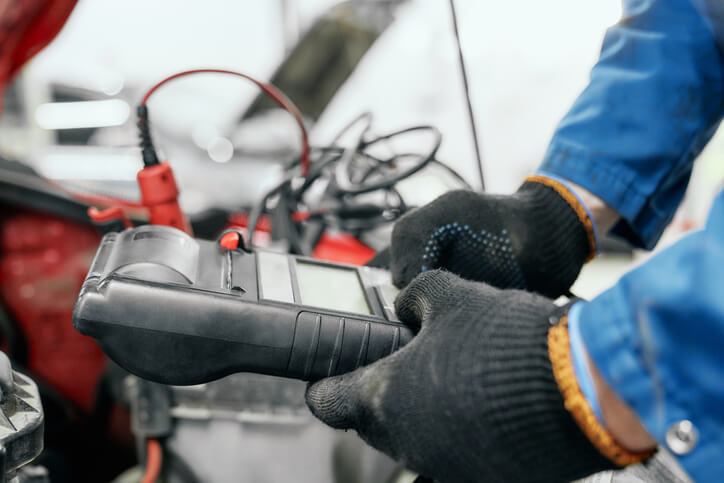
What does a megohmmeter measure in EV service work? A megohmmeter measures electrical resistance between a conductor and ground, helping technicians determine whether insulation is intact. In EV systems, this is critical for identifying unintended current paths that could lead to safety issues.
During an insulation resistance test, the tool applies a controlled voltage and measures how much current leaks through the insulation. High resistance values indicate good insulation, while low values may signal contamination, damage, or wear.
This measurement provides a clear indication of system safety before further work is performed.
When Technicians Perform Insulation Testing
When would a technician perform an insulation test? Technicians typically use a megohmmeter during diagnostics involving high-voltage components, especially when faults are suspected or after repairs have been completed.
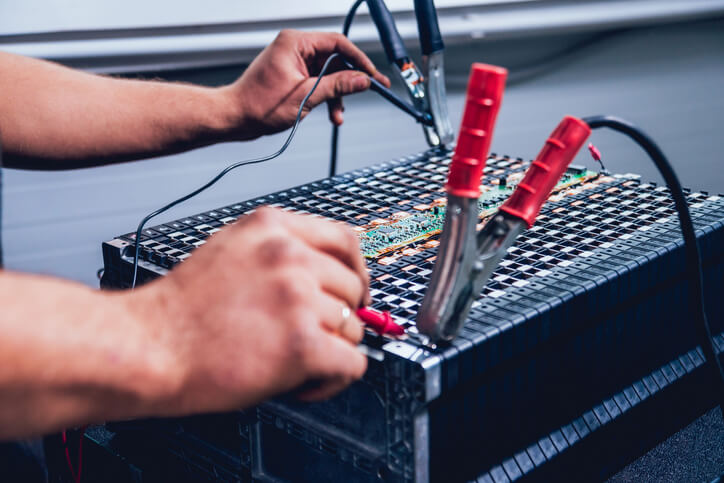
Testing may be required when dealing with issues related to the high-voltage battery, wiring harnesses, or other electrical components. It is also commonly performed after servicing to confirm that no insulation damage occurred during the repair process.
This step ensures that the system is safe before the vehicle is returned to operation.
Safety Steps Before Testing
What safety steps come before insulation testing? Before using a megohmmeter, technicians must follow strict safety procedures. This includes isolating the high-voltage system, verifying that no active voltage is present, and using appropriate protective equipment.
Proper lockout procedures are also applied to prevent accidental system activation. These steps are essential for maintaining high-voltage safety and ensuring accurate test results. As you’ll discover in auto mechanic training, skipping any part of this process can create serious risks, making safety the top priority in EV diagnostics.
Understanding Test Results
Interpreting results from a megohmmeter requires an understanding of acceptable resistance ranges. While exact values vary depending on the system, higher resistance generally indicates better insulation.
Low readings may point to moisture intrusion, damaged wiring, or internal component faults. In these cases, further inspection is needed to identify and resolve the issue. Technicians use these results as part of a broader diagnostic process, combining data from multiple tests to confirm the root cause.
Why This Skill Matters for EV Technicians
As EV adoption increases, tools like the megohmmeter are becoming standard in modern workshops. Understanding how to perform an insulation resistance test is essential for diagnosing electrical issues and ensuring safe operation.
For those pursuing EV mechanic training, this skill represents a shift toward more advanced, safety-focused diagnostics. It also reflects how automotive roles are evolving with new technologies.
Students who understand these concepts early are better prepared for careers working with high-voltage systems.
Is EV Electrical Safety Taught in Training Programs?
Do technician programs introduce EV electrical safety concepts?
Yes. Modern programs such as EV technician training and auto mechanic school curricula include high-voltage safety, insulation testing, and electrical diagnostics.
Students gain hands-on experience with tools like a megohmmeter, learning how to perform tests safely and interpret results accurately.
For budding professionals, this training provides a strong foundation for working with today’s hybrid and electric vehicles.
Do you want to become a mechanic?
Contact ATC Cambridge for more information.
Key Takeaways
- A megohmmeter measures insulation resistance in high-voltage systems
- An insulation resistance test helps detect electrical leakage and hidden faults
- Proper procedures are essential for maintaining high-voltage safety
- Testing is commonly used when diagnosing or verifying EV system repairs
- Understanding these tools is key for anyone pursuing EV mechanic training
FAQ
What does a megohmmeter measure in EV service work?
It measures insulation resistance to detect leakage paths in high-voltage systems.
When would a technician perform an insulation test?
During diagnostics, after repairs, or when electrical faults are suspected.
What safety steps come before insulation testing?
System isolation, voltage verification, and the use of protective equipment are required.
Do technician programs introduce EV electrical safety concepts?
Yes, these concepts are a core part of modern automotive training programs.