How Auto Mechanics Decide Whether a Problem Is Mechanical or Electrical
TL;DR
Before any repair begins, auto mechanics must determine whether a vehicle issue is mechanical or electrical. This diagnostic process relies on systematic testing, experience, and training to accurately identify the root cause and avoid unnecessary repairs.
When a vehicle starts acting up, the symptoms are often unclear. A warning light, strange noise, or performance issue could point to several possible causes. This is where understanding mechanical vs electrical car problems becomes essential. Before any parts are replaced or repairs are made, auto mechanics must first determine what type of issue they are dealing with.
Accurate diagnosis saves time, prevents unnecessary repairs, and protects vehicle safety and maintenance. In this article, we’ll explain how mechanics distinguish between mechanical and electrical problems, why diagnostic work is so important, and how these skills are developed through professional training, especially for those considering auto mechanic training.
Mechanical Vs Electrical Car Problems
What is the difference between mechanical and electrical car problems? Mechanical car problems involve physical components such as engines, transmissions, brakes, or suspension systems. These issues are often related to wear, friction, or structural failure.
Electrical car problems, on the other hand, involve wiring, sensors, control modules, and power distribution. Faulty connections, damaged wiring, or malfunctioning sensors can all cause electrical issues. In practice, we’ve seen that symptoms can overlap, which is why accurate diagnosis is critical before any repair begins.
How Do Auto Mechanics Determine If a Problem Is Electrical?
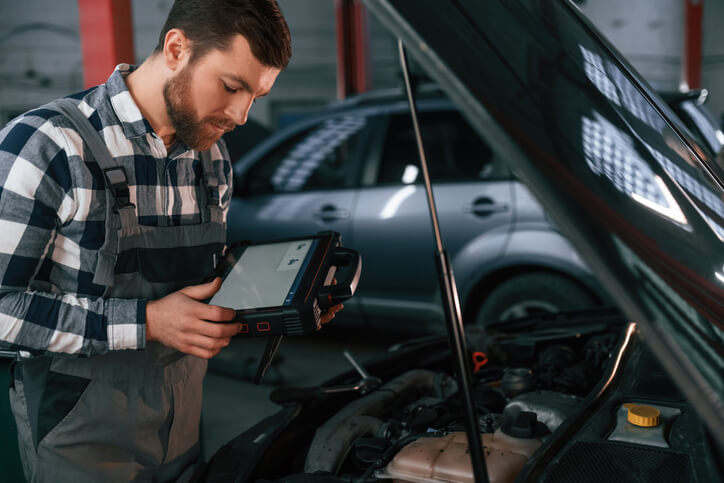
Mechanics use a combination of scan tools, multimeters, wiring diagrams, and systematic testing to evaluate electrical systems. Automotive Diagnostic Standards depict fault codes from onboard diagnostics that often provide initial clues, but technicians must verify whether a sensor, circuit, or control module is truly at fault.
Electrical car problems rarely rely on guesswork. Instead, mechanics follow step-by-step testing procedures to isolate faults. This methodical approach reflects the importance of strong auto mechanic diagnostic skills, particularly as modern vehicles rely heavily on electronic systems.

Why Is Diagnosing the Problem Important Before Repairing a Vehicle?
Without proper diagnosis, repairs become trial-and-error. This can lead to unnecessary part replacements, higher costs, and unresolved issues.
According to SAE International, diagnostic accuracy is essential for maintaining vehicle reliability and safety. In real shop environments, we’ve seen how precise diagnosis reduces comebacks and builds trust with customers. This step protects both the vehicle and the technician’s professional reputation.
How Do Mechanics Diagnose Car Problems Systematically?
Diagnosis typically begins with gathering information: customer complaints, vehicle history, and visible symptoms. Mechanics then perform visual inspections, followed by targeted testing.
For mechanical car problems, this may involve listening for noises, checking fluid conditions, or inspecting components for wear. For electrical car problems, diagnostics rely more heavily on scan data, voltage testing, and circuit analysis. This structured process helps mechanics narrow down causes efficiently and accurately.
Do Automotive Training Programs Teach Electrical Diagnostics?
Yes. Modern auto mechanic school programs place significant emphasis on electrical diagnostics. Students learn how to interpret scan data, test circuits, and understand vehicle electronics alongside traditional mechanical systems.
Hands-on training environments allow students to practice diagnosing both mechanical and electrical faults. This prepares graduates to work confidently in today’s technology-driven automotive industry.

Is Diagnostic Work a Key Skill for Becoming a Mechanic?
Absolutely. Diagnosis is one of the most valuable skills in the trade. Employers seek technicians who can identify problems accurately before picking up a wrench.
Those pursuing auto mechanic training quickly learn that diagnostic ability separates entry-level technicians from experienced professionals. If you’re looking to become a mechanic, mastering diagnostic thinking is essential to long-term success.
How Auto Mechanic Training Prepares Mechanics for Mechanical and Electrical Diagnosis
Professional training programs teach students to approach problems logically rather than reactively. At ATC Cambridge, students learn to combine theory with hands-on testing to understand how systems interact. By developing diagnostic confidence early, graduates are better prepared to handle complex repair scenarios.
Do you want to become a mechanic?
Contact ATC Cambridge for more information.
Key Takeaways
- Mechanical and electrical car problems require different diagnostic approaches
- Accurate diagnosis prevents unnecessary repairs and safety risks
- Diagnostic work is a core mechanic skill
- Automotive training programs teach both mechanical and electrical diagnostics
FAQ: Mechanical vs Electrical Car Problems
Q: What is the difference between mechanical and electrical car problems?
A: Mechanical car problems involve physical components such as engines, transmissions, brakes, or suspension systems..
Q: How do auto mechanics determine if a problem is electrical?
A: Mechanics use a combination of scan tools, multimeters, wiring diagrams, and systematic testing to evaluate electrical systems.
Q: Why is diagnosing the problem important before repairing a vehicle?
A: Without proper diagnosis, repairs become trial-and-error. This can lead to unnecessary part replacements, higher costs, and unresolved issues.
Q: Do automotive training programs teach electrical diagnostics?
A: Yes. Modern auto mechanic school programs place significant emphasis on electrical diagnostics.
Q: Is diagnostic work a key skill for becoming a mechanic?
A: Absolutely. Diagnosis is one of the most valuable skills in the trade. Employers seek technicians who can identify problems accurately before picking up a wrench.