
Mechanic Training Hours: What Students Should Know Before Starting
Why Mechanic Hours Matter
Building a successful automotive career takes more than classroom learning. Mechanic hours spent in practical training help students develop technical knowledge, safe work habits, and real shop experience before entering a mechanic apprenticeship. Quality automotive training provides the confidence needed for future success in the trade.
Every skilled automotive technician started by learning the basics one repair at a time. Developing confidence with tools, diagnostics, and safe work practices doesn’t happen overnight. Confidence comes from spending meaningful time in the shop applying what you’ve learned.
That’s why mechanic hours matter. The more opportunities students have to practice under experienced instructors, the better prepared they are for apprenticeship and a long-term career in the automotive industry.
How Many Mechanic Hours Do Students Need?
How many hours of training do mechanics need? Training requirements vary by province, but practical shop experience is essential before students begin working toward certification.
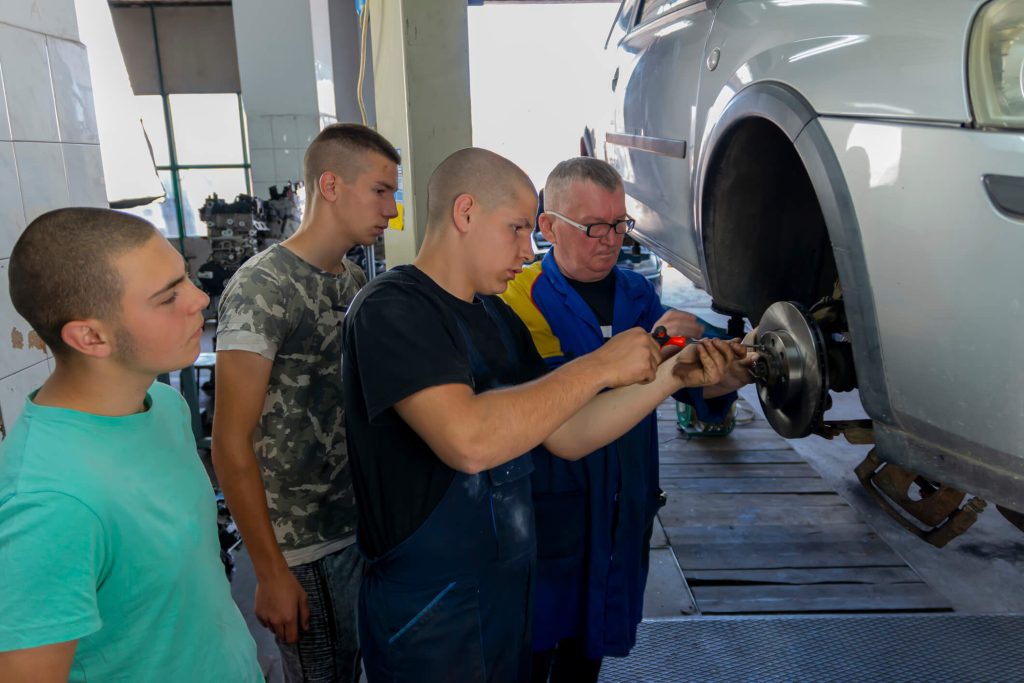
At an auto mechanic school, students spend a significant portion of their training working directly on vehicles rather than learning only from textbooks. ATC Montreal’s program emphasizes hands-on learning, with more than half of the training taking place in the shop, where students develop practical repair and diagnostic skills.
Students pursuing mechanic certification in Quebec should also understand that certification involves additional workplace experience. In Quebec, automotive service technician certification requires completing three levels of apprenticeship totaling 6,000 hours of work experience and passing the required examination. Those pursuing Red Seal certification need documented industry work experience that meets national requirements.
What Do Students Learn During Mechanic Training Hours?
Students build practical skills across the major vehicle systems while learning professional shop procedures and safety practices.
During automotive training, students gain experience with:
- Shop safety
- Preventive maintenance
- Brake systems
- Steering and suspension
- Wheels and tires
- Electrical fundamentals
- Engine service
- Fuel injection systems
- Cooling and lubrication systems
- Computer-controlled vehicle systems
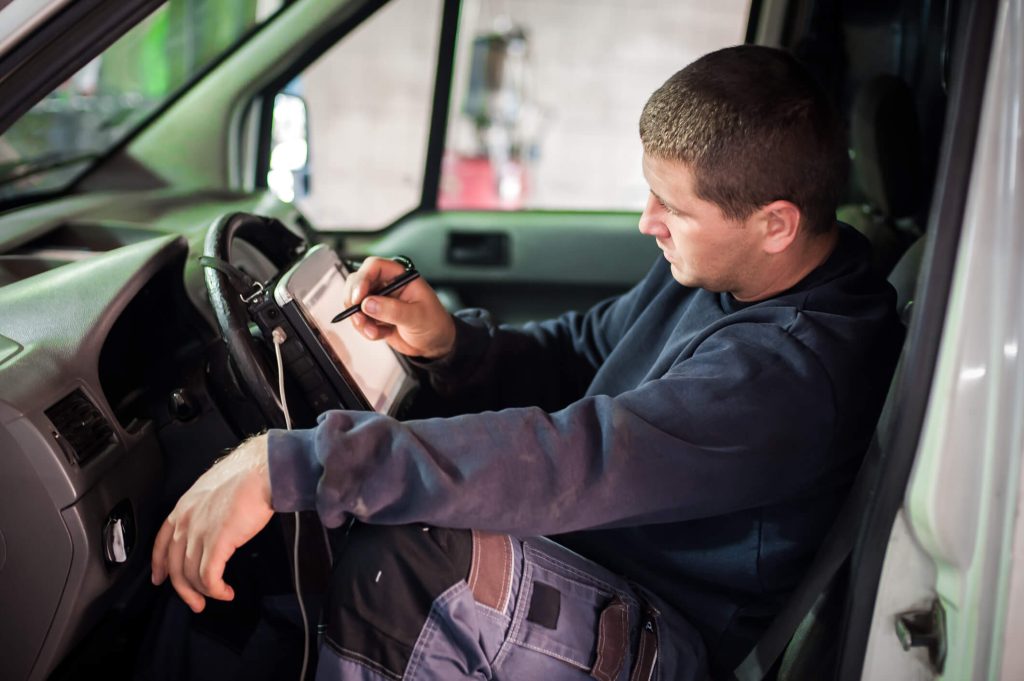
Just as importantly, students learn how to inspect vehicles systematically, use diagnostic equipment correctly, and communicate repair findings clearly.
How Do Training Hours Help Prepare for Apprenticeship?
Practical training helps students enter a mechanic apprenticeship with greater confidence, stronger technical foundations, and familiarity with professional shop environments.
An apprenticeship allows students to continue learning while working alongside experienced technicians. The practical skills developed during school make it easier to understand shop procedures, complete repairs safely, and continue building experience toward mechanic certification.
Many graduates begin their careers in entry-level positions before progressing into specialized automotive roles as their experience grows.
Is Hands-On Training Important for Becoming a Mechanic?
Yes. Practical experience is one of the most valuable parts of automotive education because it allows students to apply classroom concepts to real vehicles.
Students attending automotive school develop much more than technical knowledge. They also strengthen:
- Diagnostic thinking
- Problem-solving
- Time management
- Attention to detail
- Teamwork
- Safe work practices
These abilities prepare graduates for a wide range of auto careers, including dealership service departments, independent repair facilities, fleet maintenance operations, and specialty automotive shops.
Building Experience Before Entering the Workforce
The journey toward becoming a skilled technician is measured not only by the number of hours completed, but also by what students learn during those hours. Every inspection, repair, and diagnostic exercise helps build the confidence needed to succeed in the workplace.
By combining classroom instruction with extensive hands-on experience, ATC Montreal prepares students to begin apprenticeship opportunities and continue growing throughout their automotive careers.
Are you interested in exploring training programs at our auto mechanic school?
Contact ATC Montreal for more information.
Key Takeaways
- Mechanic hours provide valuable hands-on experience before entering the workforce.
- Practical training helps students develop technical knowledge and safe work habits.
- A mechanic apprenticeship allows graduates to continue building experience while working.
- Mechanic certification requirements vary, but practical experience is essential.
- Quality automotive training prepares students for a variety of automotive career opportunities.
FAQ
How Many Hours of Training Do Mechanics Need?
Training requirements vary by province, but students benefit from extensive hands-on training before beginning apprenticeship and certification pathways.
What Do Students Learn During Mechanic Training Hours?
Students develop skills in diagnostics, maintenance, brakes, steering, suspension, electrical systems, engines, fuel systems, and shop safety.
How Do Training Hours Help Prepare for Apprenticeship?
Hands-on experience helps students enter apprenticeships with stronger technical skills, greater confidence, and familiarity with professional shop procedures.
Is Hands-On Training Important for Becoming a Mechanic?
Yes. Practical training allows students to apply classroom knowledge while developing the diagnostic, technical, and workplace skills employers expect.