Mechanic Tools List: What New Students Need for Their First Shop
In Brief: A Toolbox for Mechanics
A good toolbox for mechanics doesn’t have to be filled on day one. New technicians should focus on learning how to use essential hand tools safely while developing strong diagnostic, organizational, and mechanical skills. Quality automotive training helps students build these habits before starting their first shop role.
A toolbox for mechanics is more than a collection of wrenches and sockets; it’s the foundation of how technicians work safely, efficiently, and professionally. Knowing which tools to use, when to use them, and how to care for them is just as important as owning them.
For students preparing for their first automotive shop experience, you don’t need every tool on the market. What is needed is a solid understanding of the essentials, good shop habits, and the confidence to keep building core skills as your career grows.
What Tools Does a Beginner Mechanic Need?
Beginners typically start with a small collection of high-quality hand tools before gradually expanding their equipment as they gain experience.
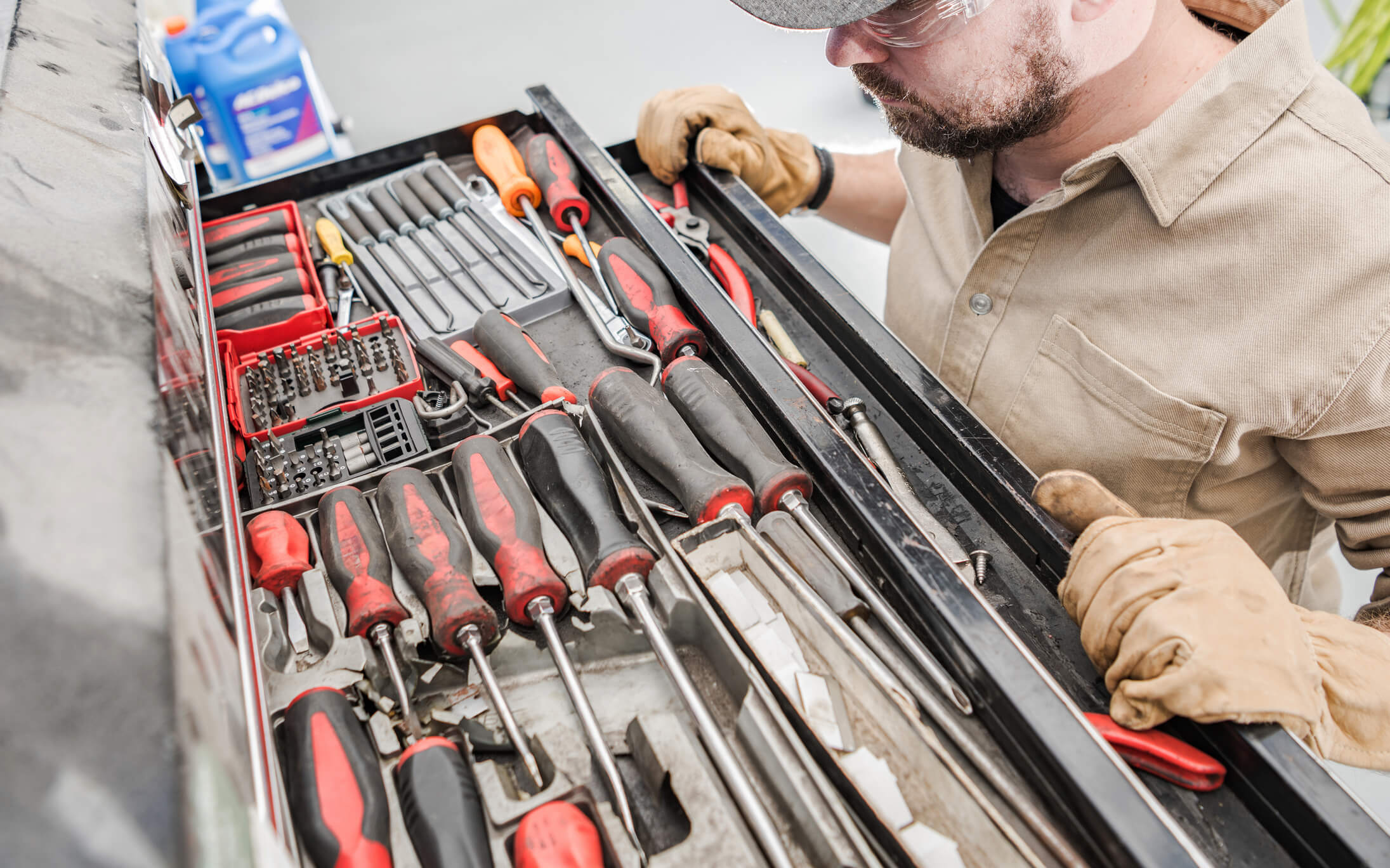
A basic toolbox for mechanics often includes:
- Socket and ratchet sets
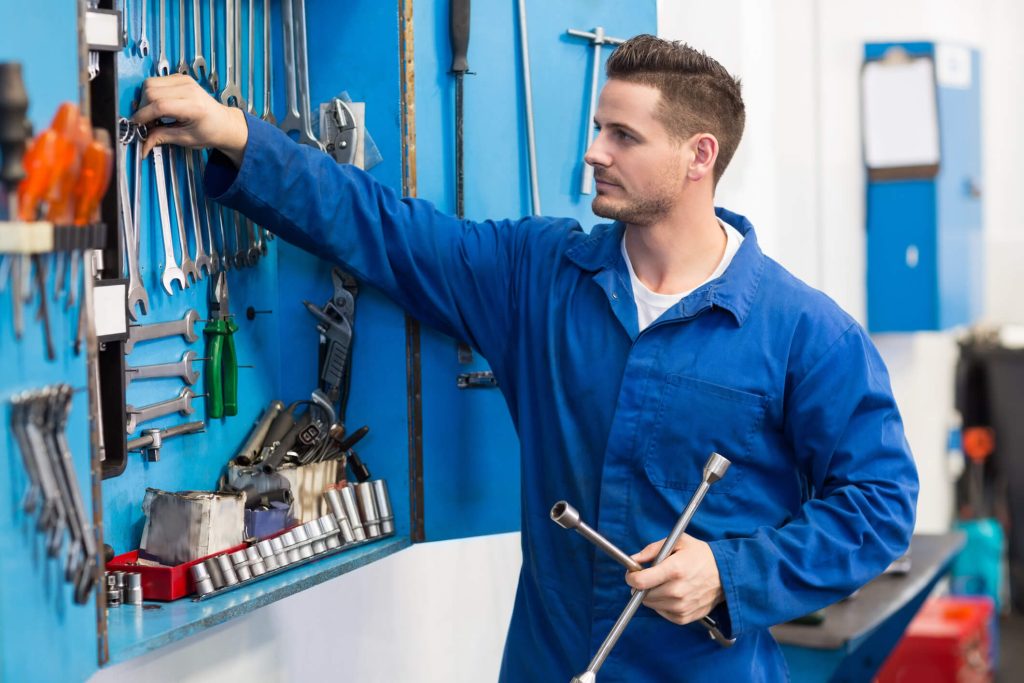
- Combination wrenches
- Screwdrivers
- Pliers
- Torque wrench
- Hammer and soft mallet
- Hex and Torx key sets
- Tape measure and inspection light
- Safety glasses and work gloves
As students progress through automotive training, they also learn which specialty tools are commonly provided by employers and which are worth purchasing over time.
What Should Be in a Toolbox for Mechanics?
What should be in a mechanic’s toolbox? A mechanic’s toolbox should contain the essential tools needed to complete common repair and maintenance tasks safely while keeping equipment organized and easy to access.
Good organization saves time and protects tools from damage. Many technicians arrange tools by category so they can quickly find what they need during repairs.
Just as importantly, a toolbox should reflect good mechanic safety habits. Damaged tools should be replaced promptly, and equipment should always be cleaned and stored properly after use.
Do New Mechanics Need to Buy Every Tool Right Away?
No. Most experienced technicians build their tool collections gradually throughout their careers.
For an entry-level mechanic, investing in quality basics is often a better approach than purchasing a large number of inexpensive tools all at once. As responsibilities increase, technicians can add specialty equipment based on the types of vehicles and repairs they perform most often.
Many employers also provide larger shop equipment and specialized diagnostic tools, allowing new technicians to grow their personal collections over time.
How Does Automotive Training Help Students Prepare for Shop Work?
Automotive training teaches students how to use tools correctly while developing the technical knowledge, safety habits, and professional behaviours employers expect.
At our auto mechanic school, students gain practical experience working with hand tools, measuring equipment, lifting devices, and diagnostic tools under instructor supervision. Along the way, they also build essential automotive technician skills, including:
- Safe work practices
- Diagnostic thinking
- Equipment handling
- Time management
- Communication
- Attention to detail
These experiences help prepare graduates for auto careers where both technical ability and professionalism are valued.
Building Confidence One Tool at a Time
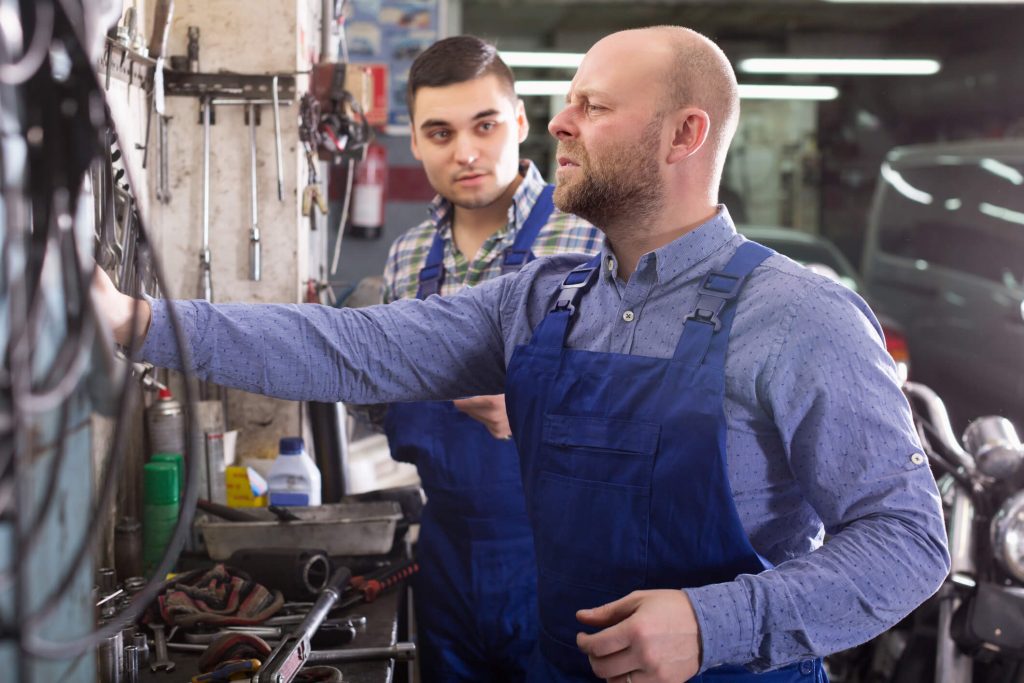
Every experienced technician started somewhere. Building a successful career isn’t about owning the biggest toolbox: it’s about developing strong habits, asking questions, and continuing to learn with every repair.
With quality instruction, hands-on practice, and the right attitude, students can enter the industry prepared to grow their skills and their tool collection throughout their careers.
Would you like to explore a wide range of auto careers?
Contact ATC Toronto for more information.
Key Takeaways
- A toolbox for mechanics should begin with essential hand tools rather than every specialty tool.
- Strong mechanic skills include safe tool use, organization, and diagnostic thinking.
- Most entry-level mechanic professionals build their tool collections gradually.
- Automotive technician skills combine technical ability with communication, organization, and professionalism.
- Hands-on automotive training helps students prepare confidently for their first shop experience.
FAQ
What Tools Does a Beginner Mechanic Need?
Beginners should start with quality hand tools such as socket sets, wrenches, screwdrivers, pliers, a torque wrench, and basic safety equipment.
What Should Be in a Mechanic’s Toolbox?
A mechanic’s toolbox should contain essential hand tools, measuring tools, lighting, safety gear, and an organized storage system.
Do New Mechanics Need to Buy Every Tool Right Away?
No. Most technicians build their collections gradually as their experience and responsibilities grow.
How Does Automotive Training Help Students Prepare for Shop Work?
Automotive training provides hands-on experience using tools safely while developing diagnostic, technical, and workplace skills that prepare students for entry-level positions.