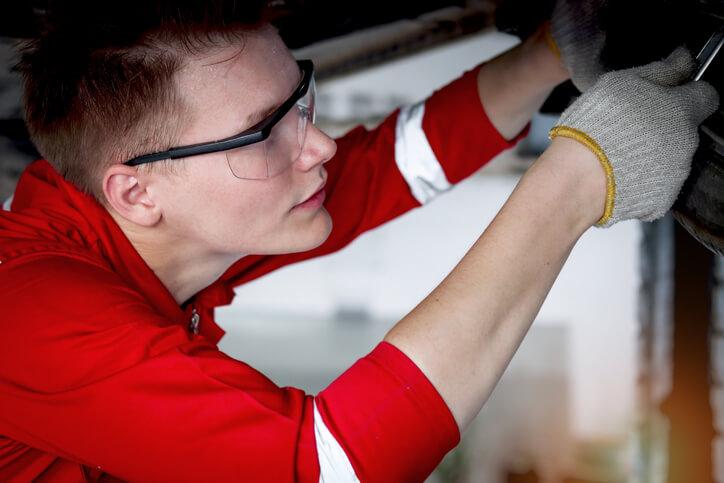
Mechanic Safety Basics: Habits That Protect New Technicians
TL;DR
Mechanic safety is one of the first skills every technician must learn. From wearing personal protective equipment to following proper lifting procedures and electrical safety protocols, safe habits help prevent injuries and costly mistakes. Students entering an auto mechanic school quickly discover that safety is not a separate skill; it is also a part of every repair and diagnostic procedure.
Mechanic safety should be a priority from the moment a student steps into a shop environment. Modern vehicles contain high-voltage systems, complex electronics, moving components, pressurized fluids, and heavy equipment, making automotive garage safety practices essential in daily shop work. Even routine maintenance tasks can become hazardous when proper procedures are ignored.
Professional technicians understand that safety protects more than just themselves. It also protects coworkers, customers, and the vehicles being serviced. A simple mistake, such as improperly supporting a vehicle on a lift or failing to disconnect a battery before electrical work, can create serious consequences.
That is why safety awareness becomes a daily habit rather than a one-time lesson.
What Safety Habits Do Mechanics Need in the Shop?
Strong safety habits are built through consistency. Experienced technicians rarely think of safety as an extra step because it becomes part of their workflow.
Some of the most important habits include wearing appropriate personal protective equipment, keeping work areas organized, following lockout procedures when necessary, and using tools correctly. Technicians also learn to inspect equipment before use and remain aware of their surroundings while working.
This becomes especially important when servicing modern electrical systems. Whether someone plans to become an auto electrician, an automotive electrician, or a general service technician, electrical safety procedures are essential when working around batteries, wiring systems, and hybrid or electric vehicle components.
Common Safety Mistakes New Technicians Make
Most safety incidents happen because of small oversights rather than major errors.
New technicians sometimes rush through procedures, skip equipment inspections, or assume a task is safer than it actually is. Others may forget to wear eye protection during grinding operations or fail to verify that a vehicle is properly secured before working underneath it.
Another common mistake is becoming distracted. Automotive shops are busy environments where multiple repairs often occur at the same time. Staying focused and following established procedures helps reduce unnecessary risks. Fortunately, these habits improve quickly with proper instruction and experience.
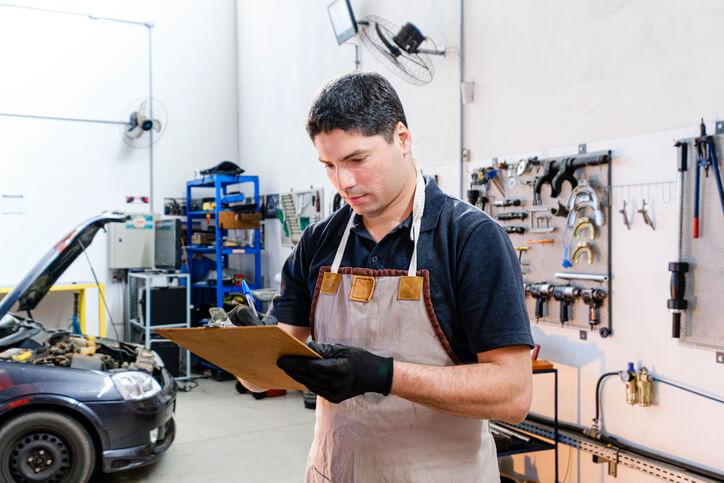
Why is Safety Important in Automotive Training?
Students in our automotive school learn that safety is integrated into nSafe habits protect technicians, customers, and vehicles. Learn the basics of mechanic safety and why it matters from day one in automotive training.early every aspect of their education.
Before performing repairs, students are taught how to use lifting equipment, handle hazardous materials, follow electrical safety procedures, and work responsibly around engines, brakes, suspension systems, and other vehicle components.
As vehicle technology evolves, safety training becomes even more important. Hybrid and electric vehicles introduce high-voltage systems that require specialized procedures and protective equipment. Learning these practices early helps students develop confidence while reducing risk.

How Training Prepares Students for Mechanic Safety Shop Work
Quality training programs do more than teach technical skills. They help students develop the professional mindset needed for long-term success.
Students at our auto mechanic school gain hands-on experience working with tools, diagnostic equipment, lifts, and vehicle systems under instructor supervision. They learn how to identify hazards, follow manufacturer procedures, and perform repairs methodically.
These habits remain valuable throughout a technician’s career. Whether someone pursues general repair work, electrical diagnostics, or specialized auto careers, employers consistently value technicians who work safely and professionally.
Would you like to explore a wide range of auto careers?
Contact ATC Montreal for more information.
Key Takeaways
- Mechanic safety is essential for protecting technicians, coworkers, and customers.
- Safe habits include proper PPE use, equipment inspection, and organized work practices.
- New technicians often improve safety by slowing down and following established procedures.
- Electrical safety is especially important for future auto electricians and automotive electricians.
- Automotive training programs help students develop safe work habits from the beginning.
FAQ
What safety habits do mechanics need in the shop?
Mechanics should consistently wear appropriate PPE, keep workspaces organized, inspect equipment before use, and follow proper repair procedures.
Why is safety important in automotive training?
Safety training helps students prevent injuries, protect vehicles, and develop professional habits that will serve them throughout their careers.
What are common safety mistakes new technicians make?
Common mistakes include rushing repairs, skipping protective equipment, failing to secure vehicles properly, and becoming distracted during service procedures.
How does training prepare students for safe shop work?
Training programs provide supervised hands-on experience that teaches students how to identify hazards, follow safety procedures, and work responsibly with modern vehicle systems.