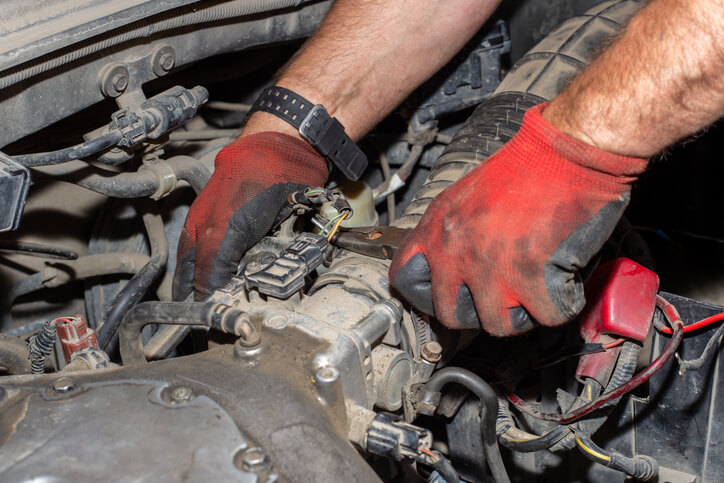
Mass Air Flow Sensor Problems: How Techs Diagnose Airflow Issues
TL;DR
What is a mass air flow sensor? It is a sensor that measures the amount of air entering the engine so the vehicle computer can calculate proper fuel delivery. A faulty MAF sensor can cause rough idle, hesitation, poor fuel economy, or check engine lights. Technicians diagnose airflow issues using scan tools, live data, visual inspections, and airflow testing before deciding whether cleaning or replacement is necessary.
Modern engines rely on sensors constantly sharing information with the vehicle’s computer system. One of the most important sensors in that process is the mass air flow sensor, commonly called the MAF sensor.
Understanding what a mass air flow sensor is becomes especially important for future technicians because airflow problems can create a wide range of drivability complaints that may initially seem unrelated. A customer may complain about rough idle, hesitation, poor acceleration, or fuel economy problems, while the real issue traces back to incorrect airflow readings.
This is why technicians rely heavily on diagnostic procedures instead of assumptions when dealing with engine performance issues.
What Is a Mass Air Flow Sensor?
The first question many students ask is simple: What is a mass air flow sensor?
The MAF sensor measures the amount of air entering the engine through the intake system. The engine control module uses this information to calculate how much fuel to inject for efficient combustion.
In other words, the sensor helps the engine maintain the correct air-fuel mixture under different driving conditions. Most mass airflow sensors are located between the air filter box and the throttle body, inside the intake tube. Because of their location, contamination from dirt, oil, or debris can sometimes interfere with accurate readings over time.
What Does a Mass Air Flow Sensor Do?
Understanding what a mass air flow sensor does helps explain why even small sensor problems can create noticeable performance symptoms. If the sensor reports incorrect airflow data, the engine computer may:
- Deliver too much fuel
- Deliver too little fuel
- Miscalculate ignition timing
- Trigger the check engine light
- Cause unstable idle conditions
Drivers may notice:
- Hesitation during acceleration
- Rough idle
- Stalling
- Reduced fuel economy
- Lack of power
In some cases, airflow issues may also affect emissions performance and trigger diagnostic trouble codes. Because modern engines depend heavily on accurate sensor information, technicians often begin drivability diagnostics by reviewing live scan tool data.
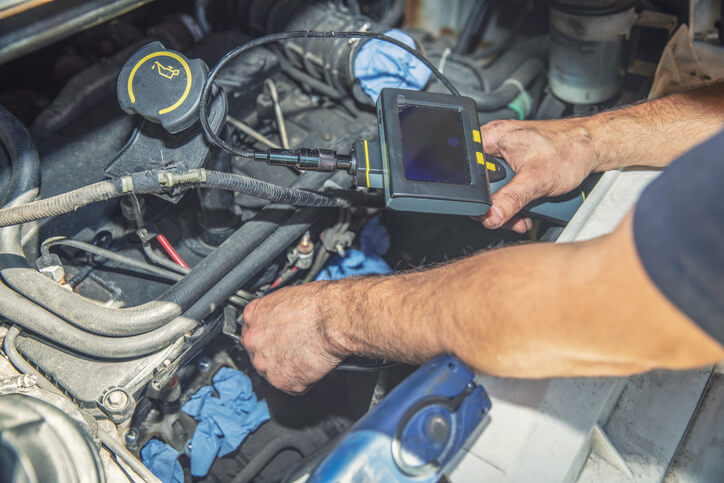
How Do You Test a Mass Air Flow Sensor?
Students at our auto mechanic school in Surrey quickly learn that testing sensors involves more than simply replacing parts. So, how do you test a mass air flow sensor properly?
Technicians usually begin by:
- Scanning for diagnostic trouble codes
- Reviewing live airflow data
- Inspecting intake tubing for leaks
- Checking wiring and connectors
- Comparing sensor readings against expected values
In many cases, technicians also inspect the air filter and intake system because airflow restrictions or vacuum leaks can create symptoms similar to sensor failure. One important diagnostic habit is avoiding assumptions. A fault code related to airflow does not always mean the sensor itself has failed.
Technicians may also use:
- Voltage testing
- Frequency testing
- Oscilloscope analysis
- Fuel trim analysis
to confirm whether the sensor readings are accurate. Students in our Automotive Service Technician Foundation program often spend significant time learning how sensor data affects modern engine management systems.
How Do You Clean a Mass Air Flow Sensor?
In some cases, contamination is the issue rather than complete sensor failure. This is why technicians may ask: “How do you clean a mass air flow sensor safely?”
Cleaning usually involves using a specialized MAF sensor cleaner designed for delicate sensor components. Technicians remove the sensor carefully and spray the sensing elements without physically touching them.
This process can sometimes restore proper operation if dirt or oil buildup is affecting readings. However, technicians must avoid:
- Touching sensor wires
- Using harsh chemicals
- Scrubbing sensitive components
- Reinstalling the sensor before drying completely
Understanding how to clean mass air flow sensor components properly helps prevent accidental sensor damage during service.

Why Airflow Diagnostics Matter for Future Technicians
Modern vehicles depend heavily on electronic sensors and computer-controlled fuel systems. Airflow diagnostics are now a routine part of engine performance troubleshooting.
For students considering an auto mechanic course, learning how to interpret scan data and diagnose sensor faults becomes increasingly valuable as vehicles continue evolving technologically.
Strong diagnostic habits help technicians avoid unnecessary parts replacement while improving repair accuracy and customer confidence.
Are you looking for a comprehensive auto mechanic course?
Contact ATC Surrey for more information.
Key Takeaways
- What is a mass air flow sensor? It measures incoming engine airflow so the vehicle computer can calculate proper fuel delivery
- MAF sensors help engines maintain proper fuel mixture and performance
- Understanding how to test a mass air flow sensor requires scan tool analysis and airflow inspection
- Learning how to clean mass air flow sensor components properly can sometimes restore sensor operation
- Modern engine diagnostics rely heavily on sensor data interpretation and testing accuracy
FAQ
What is a mass air flow sensor?
A mass air flow sensor measures the amount of air entering the engine so the vehicle computer can calculate fuel delivery accurately.
What does a mass air flow sensor do?
The sensor helps regulate the air-fuel mixture for engine performance, fuel economy, and emissions control.
How do you test a mass air flow sensor?
Technicians use scan tools, live data analysis, wiring inspections, and airflow testing to evaluate sensor operation.
How do you clean a mass air flow sensor?
Technicians carefully remove the sensor and use a specialized MAF sensor cleaner to remove dirt or contamination without damaging sensitive components.