Oil Pressure Warning Light: What Technicians Check Before Recommending Engine Repairs
In Brief: Diagnosing Low Oil Pressure Symptoms
Experiencing low oil pressure symptoms does not automatically mean an engine needs major repairs. Before recommending expensive work, technicians inspect the oil level and condition, verify the warning with pressure tests, check sensors and wiring, and evaluate the lubrication system. A methodical diagnosis helps identify the true cause while avoiding unnecessary parts replacement.
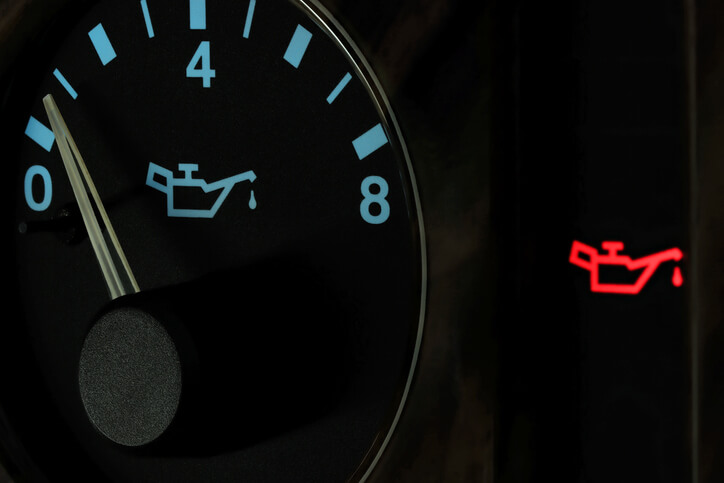
Seeing the oil light illuminate while you are driving can be alarming. Because the engine depends on proper lubrication to reduce friction and prevent excessive wear, an oil-pressure warning should always be taken seriously.
However, an illuminated oil light in a car does not automatically mean the engine has failed. Several issues, from low oil levels to faulty sensors, can trigger the warning. That is why professional technicians rely on a structured diagnostic process before recommending repairs. Students entering auto mechanic school quickly learn that accurate diagnosis is every bit as important as knowing how to replace components.
What Are the Symptoms of Low Oil Pressure?
The dashboard warning is often the first sign, but low oil pressure symptoms may also include:
- The oil light on while driving or idling
- Engine knocking or ticking noises
- Reduced engine performance
- Overheating in some cases
- Increased mechanical noise during acceleration
These signs of low oil pressure do not always point to the same fault. Several different problems can produce similar symptoms, making proper testing essential before any repair decisions are made.
Why Does the Oil-Pressure Warning Light Come On?
Modern vehicles monitor oil pressure using sensors connected to the engine’s lubrication system. If pressure falls below the manufacturer’s specified range, the warning light may illuminate.
Common causes include:
- Low engine oil level
- Incorrect oil viscosity
- Worn engine components
- Faulty oil pressure sensor
- Damaged wiring or electrical connections
- Oil pump problems
- Restricted oil passages or clogged pickup screens
Rather than assuming the worst, technicians investigate each possibility systematically.
The First Checks Technicians Perform When Low Oil Pressure Symptoms Occur
Professional diagnosis begins with the basics.
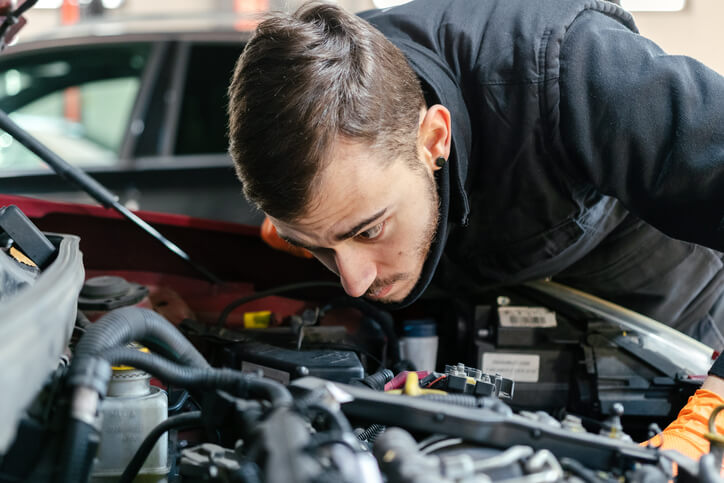
First, technicians verify the engine oil level and inspect the oil’s condition. Low oil, contaminated oil, or oil that has exceeded its service interval can sometimes contribute to pressure concerns.
Next, they look for visible leaks around the oil filter, drain plug, oil cooler, and engine seals. Even small leaks can gradually lower the oil level enough to affect lubrication.
These simple inspections often provide valuable clues before more advanced testing begins.
Confirming the Problem with an Oil Pressure Test
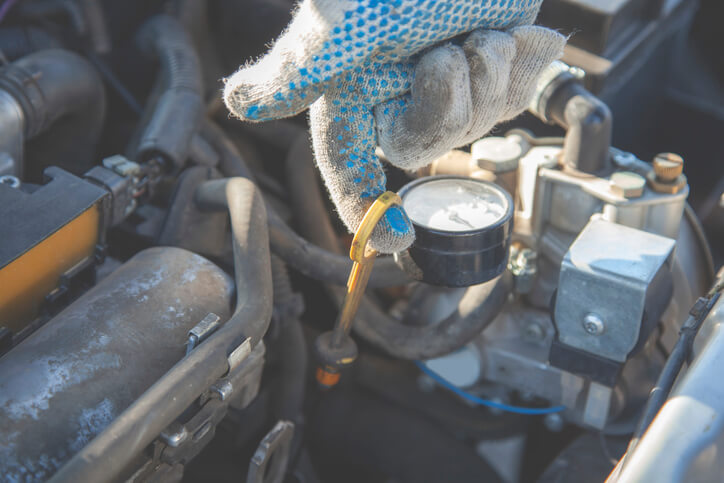
One of the most important diagnostic steps is verifying actual engine oil pressure.
Rather than relying solely on the dashboard warning, technicians install a calibrated mechanical oil-pressure gauge and compare the readings with the manufacturer’s specifications at idle and higher engine speeds.
This test helps determine whether:
- Oil pressure is actually low
- The warning was triggered by a faulty sensor
- Pressure changes under different operating conditions
Using measured data helps prevent unnecessary repairs based on inaccurate electronic readings.
Checking Sensors, Wiring, and the Lubrication System
If mechanical oil pressure falls within specification, attention often turns to the electrical system.
Technicians inspect the oil pressure sensor, wiring harness, and connectors for damage, corrosion, or poor electrical connections that could trigger a false warning.
If pressure is genuinely low, they continue diagnosing the lubrication system by evaluating the oil pump, pickup tube, pressure relief valve, and internal engine condition. In some cases, excessive bearing wear can reduce oil pressure because larger clearances allow oil to escape more easily.
This systematic approach is a key part of professional automotive training, where students learn to confirm faults before replacing expensive components.
Why Accurate Diagnosis Matters
Replacing an oil pump when the real problem is a faulty sensor wastes both time and money. Likewise, ignoring genuine low oil pressure symptoms can allow severe engine damage to develop.
Professional technicians follow logical diagnostic procedures to identify the root cause rather than simply responding to the warning light itself. This process improves repair accuracy while helping customers avoid unnecessary expenses.
Students pursuing auto careers spend significant time developing these diagnostic skills because today’s vehicles rely on both mechanical systems and sophisticated electronic monitoring.
Building Diagnostic Skills Through Automotive Training
Modern automotive repair requires more than replacing worn parts. Technicians must understand how mechanical systems, electronic sensors, and diagnostic equipment work together to identify problems accurately.
Programs offering hands-on automotive training prepare students to perform pressure testing, interpret warning indicators, analyze manufacturer service information, and follow structured troubleshooting procedures. These skills help graduates approach engine concerns confidently while providing accurate, evidence-based repair recommendations.
Would you like to explore auto training options at our auto mechanic school?
Contact ATC Toronto for more information.
Key Takeaways
- Low oil pressure symptoms should always be investigated promptly to help prevent engine damage.
- An illuminated oil light does not automatically mean the engine requires major repairs.
- Technicians begin by checking oil level, oil condition, and visible leaks before performing pressure tests.
- Mechanical oil-pressure testing confirms whether the problem is truly low pressure or an electrical fault.
- Students in auto mechanic school learn systematic diagnostic procedures that help identify the root cause before replacing components.
FAQ
What Are the Symptoms of Low Oil Pressure?
The dashboard warning is often the first sign, but low oil pressure symptoms may also include:
- The oil light on while driving or idling
- Engine knocking or ticking noises
- Reduced engine performance
- Overheating in some cases
- Increased mechanical noise during acceleration
Why Does the Oil-Pressure Warning Light Come On?
Modern vehicles monitor oil pressure using sensors connected to the engine’s lubrication system. If pressure falls below the manufacturer’s specified range, the warning light may illuminate.
Why is my oil-pressure warning light on?
The warning light may be triggered by low oil levels, low oil pressure, a faulty pressure sensor, electrical issues, oil pump problems, or internal engine wear.
Can you drive with the oil-pressure light on?
Driving with an active oil-pressure warning is not recommended because inadequate lubrication can quickly cause serious engine damage.
How do technicians test engine oil pressure?
Technicians connect a calibrated mechanical pressure gauge to the engine and compare the measured pressure with the manufacturer’s specifications under different operating conditions.