Level 2 Charger Problems: What EV Technicians Check Before Blaming the Car
TL;DR
What is level 2 charging? Level 2 charging uses a higher-voltage AC power source than a standard household outlet, helping EVs charge faster at home, work, or public charging stations. When Level 2 charging problems happen, technicians check the charger, cable, power supply, vehicle settings, and onboard charger data before blaming the car.
What is level 2 charging? EV charging complaints can sound simple: the vehicle will not charge, charges slowly, or stops too early. But for a technician, that complaint can point in several directions.
The issue may come from the vehicle, the Level 2 charger, the cable, the connector, the breaker, the power supply, or even the charging schedule programmed into the car. That is why understanding what level 2 charging is matters before diagnosis begins.
Students in hybrid and electrical mechanic training learn that EV diagnosis is not about guessing. It is about confirming where the charging process breaks down.
What Is Level 2 Charging?
Level 2 charging uses AC power at a higher voltage than Level 1 charging. In Canada, Level 1 charging typically uses a standard 120-volt outlet, while Level 2 charging commonly uses a 208-volt or 240-volt supply.
The key point is that Level 2 still sends AC power to the vehicle. The EV’s onboard charger converts that AC power into DC power so it can be stored in the high-voltage battery.
Because of this, technicians must consider both the charger and the vehicle. If the charger supplies power correctly but the onboard charger cannot process it, the vehicle may not charge.
If the vehicle is ready but the charger has a fault, the symptoms may look almost identical.
Natural Resources Canada notes that EV charging time can vary based on charger type, vehicle, battery size, temperature, and battery state. That means slow charging is not always a failure; sometimes, the system is protecting the battery.
What Is a Level 2 Charger?
A Level 2 charger, also called electric vehicle supply equipment, supplies AC power and manages safe communication between the car and the electrical source.
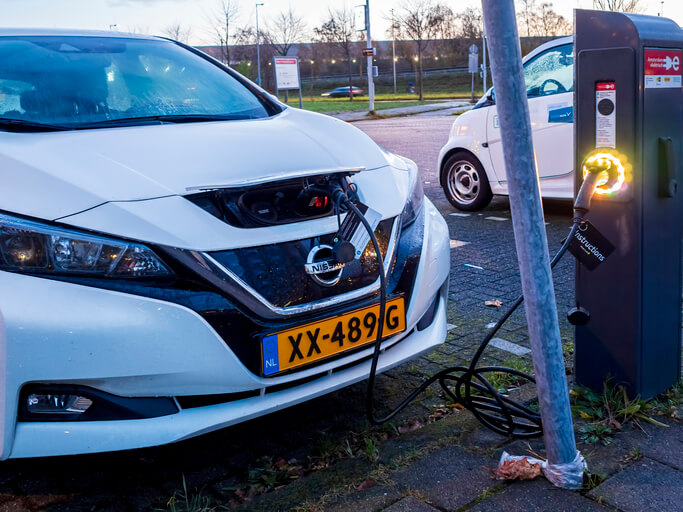
When drivers ask, “What is a level 2 charger?” the answer is more than “a faster plug.” A Level 2 EV charger confirms connection status, communicates available current, and helps charging happen safely.
These chargers may be installed in garages, driveways, workplaces, apartment buildings, or public parking areas. Some are simple units, while others connect to apps, charging networks, smart panels, or load-sharing systems.
That matters during diagnosis. A smart charger may pause charging because of scheduling, user settings, load management, Wi-Fi problems, or utility demand-response settings. A basic charger may fail because of cable damage, overheating, or supply issues.
Through hybrid and electrical mechanic training in Montreal, students learn to treat the charger and vehicle as one connected system.
How Fast Will a Level 2 Charger Charge?
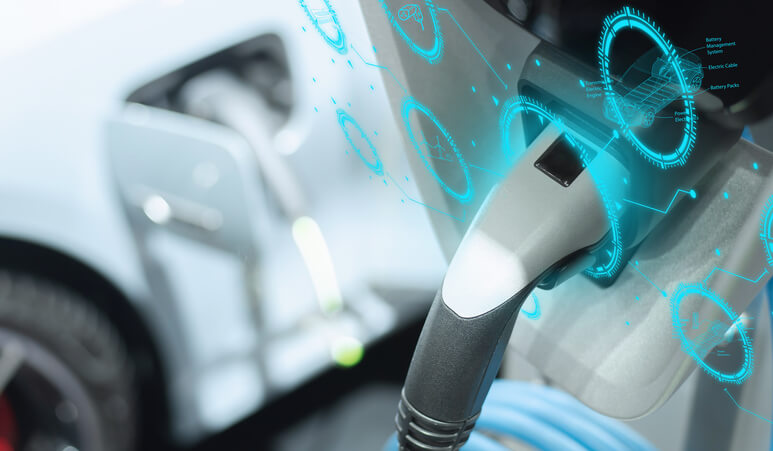
The answer to “How fast will a level 2 charger charge?” depends on charger output, onboard charger capacity, and battery condition.
A charger may be capable of supplying more power than the vehicle can accept. In that case, the vehicle’s onboard charger sets the limit. Battery temperature and state of charge also affect speed. In very cold or hot conditions, the vehicle may reduce the charging rate to protect the battery.
For technicians, the goal is not to memorize one charging time. It is to compare the vehicle’s actual charging behaviour with what is normal for that vehicle and charger.
When checking a slow-charging complaint, technicians often review charger amperage, vehicle charge limits, battery temperature data, onboard charger codes, and connector condition.
How Long Does It Take to Charge on a Level 2 Charger?
The answer to how long to charge on a level 2 charger depends on battery size, starting charge level, charger power, and vehicle limits.
A plug-in hybrid with a smaller battery may recharge much faster than a full EV. A larger EV battery can take several hours, especially if it starts at a low state of charge.
This is why the customer interview matters. Technicians may ask when charging started, what percentage the battery was at, whether a charge limit was set, and whether the charger displayed an error.
A vehicle that charges slowly overnight may be normal. A vehicle that stops at the same percentage every time on one charger may point to a charger, communication, or vehicle-side issue.
Can a Level 2 Charger Be Installed at Home or Outside?
Many customers ask, “Can I install a level 2 charger at home?” In many cases, yes, but installation should be completed by a qualified electrical professional.
A home charger may require a dedicated circuit, proper breaker sizing, correct wiring, and code-compliant placement. If installation is not right, technicians may see symptoms like nuisance breaker trips, overheating connectors, voltage drop, or interrupted charging.
Another common question is, “Can a level 2 charger be installed outside?” Many units are designed for outdoor use, but the charger must be rated for the environment and installed properly. Moisture, corrosion, cable strain, damaged connector seals, and freezing conditions can all affect charging.
Before blaming the car, technicians ask where the problem happens. If the vehicle charges normally elsewhere, the home charger or installation may be the issue.
What Do EV Technicians Check First?
When diagnosing Level 2 charger problems, technicians work from the outside in.
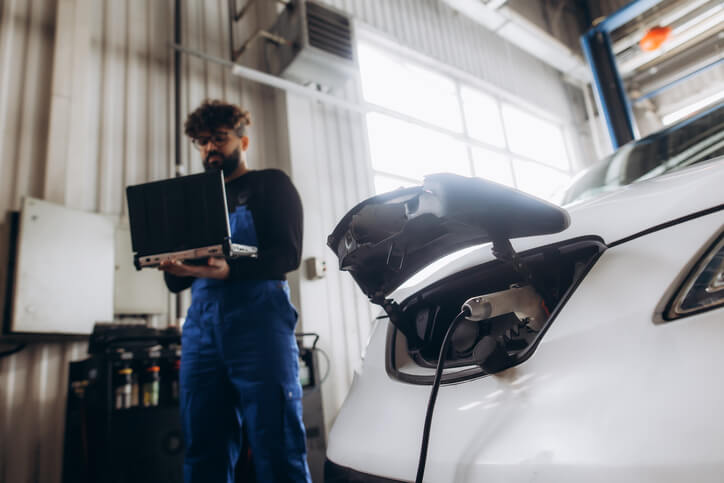
They confirm the complaint, test charging on another unit when possible, inspect the charge port and connector, review vehicle charging settings, and scan for onboard charger or communication faults.
They also consider whether the vehicle is limiting charge because of battery temperature, state of charge, or programmed settings. Students at ATC auto mechanic school learn that the right first question is not “What part failed?” It is “Where does the charging process stop?”
Why Level 2 Charging Knowledge Matters for Future EV Technicians
As more drivers charge at home, work, and public stations, Level 2 charging complaints will stay common. Future technicians need to separate charger-side problems from vehicle-side faults and normal system behaviour.
Replacing parts without testing wastes time and may miss the real issue. EV service requires technicians who can read data, understand charging logic, and ask the right questions. Level 2 charging may look simple from the outside, but for technicians, it is a useful window into how modern EV systems communicate.
Are you looking for comprehensive automotive training in Montreal?
Contact ATC Montreal for more information.
Key Takeaways
- Level 2 charging uses AC power and depends on the vehicle’s onboard charger.
- Charging speed depends on the charger output, vehicle limits, temperature, and battery state.
- Charging complaints may come from the vehicle, charger, cable, installation, or settings.
- Home and outdoor chargers can create symptoms that look like vehicle faults.
- Technicians diagnose Level 2 problems by finding where the charging process stops.
FAQ
What is level 2 charging?
Level 2 charging uses higher-voltage AC power, commonly 208 or 240 volts, to charge an EV faster than a standard household outlet. The onboard charger converts AC power into DC power for the battery.
What is a level 2 charger?
A Level 2 charger is equipment that supplies AC power to an EV and communicates with the vehicle to support safe charging. It can be installed in homes, workplaces, public lots, or commercial sites.
How fast will a level 2 charger charge?
Charging speed depends on the charger output, the onboard charger capacity, the battery temperature, and the state of charge. The vehicle may accept less power than the charger can provide.
How long does it take to charge on a level 2 charger?
Charging time depends on battery size, starting charge level, charger power, and vehicle limits. Plug-in hybrids may charge quickly, while larger EVs can take several hours.