
Knowing When to Slow Down: Why Rushing Repairs Leads to Costly Mistakes
Speed isn’t always efficiency in the garage. For aspiring auto mechanics, one of the most important lessons is learning that rushing through a repair often creates more problems than it solves. Working too quickly can lead to misdiagnoses, skipped steps, or errors that end up costing more time, money, and effort in the long run.
In contrast, slowing down to follow proper procedures, double-check work, and verify results leads to better accuracy and more reliable repairs. During auto mechanic training, students quickly learn that doing the job right the first time is far more efficient than having to redo it later.
Key Takeaways
- Rushing leads to mistakes: Working too fast increases the risk of missed steps, incorrect diagnoses, and faulty repairs that require rework.
- Accuracy improves when you slow down: Double-checking diagnostics, torque specifications, and safety checks helps prevent small oversights with major consequences.
- Training prioritizes quality over speed: Reputable programs emphasize methodical work habits, proper tool use, and step-by-step procedures.
- Experience brings efficiency: Mechanics become faster naturally as skills improve, without sacrificing accuracy or quality.
Why Speed Isn’t Always Efficient in Auto Repairs
It’s easy to assume that faster repairs look more impressive, especially to supervisors or customers. In reality, rushing often means skipping critical steps. Important checks get overlooked, errors slip in, and the job ends up taking longer when it has to be corrected.
A common example is jumping into repairs without a complete diagnosis. While it may feel efficient in the moment, misdiagnosing a problem leads to wasted labour and unresolved issues. Taking extra time upfront to identify the root cause prevents unnecessary repairs and repeat visits.
Quality matters just as much as speed. A repair completed quickly means little if it fails soon after or creates a new issue. Small details, like a loose connector, a missed gasket, or an improperly torqued bolt, can cause major problems when overlooked. Doing the job carefully from the start is almost always the faster option in the long run, as learned in ATC Surrey’s auto mechanic programs.
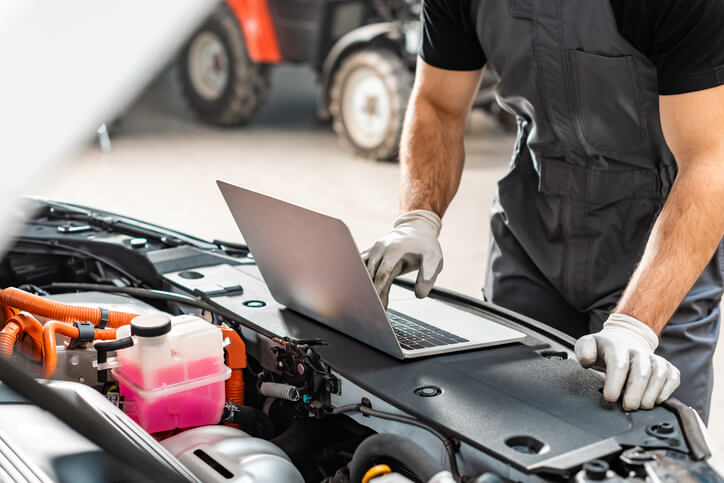
Common Mistakes Caused by Rushing
When mechanics rush, the same avoidable mistakes tend to appear again and again:
- Misdiagnosing the issue: Skipping proper diagnostic steps often leads to fixing the wrong problem, leaving the real issue unresolved.
- Missing small but critical steps: Forgetting to check fluid levels, torque bolts correctly, or reconnect sensors can result in serious damage or safety risks.
- Improper tool use: Using the wrong tool, or using it incorrectly to save time, can strip bolts, damage components, or create extra repairs.
- Skipping final checks: Failing to perform a test drive or final inspection allows problems to slip through, increasing the likelihood of comebacks.
Learning to recognize these pitfalls helps students know exactly when to slow down and double-check their work.
The Benefits of Slowing Down: Accuracy, Safety, and Trust
Taking a methodical approach leads to more accurate repairs. When mechanics aren’t racing the clock, they’re more likely to catch worn components, confirm proper installation, and follow each step correctly. This ensures the repair actually fixes the issue.
Slowing down also improves safety. Overlooked steps like unsecured brake components or improperly tightened wheels can put drivers at risk. Careful work protects not only the vehicle, but also the mechanic’s professional reputation.
Most importantly, thorough work builds trust. Customers may not see every step taken in the shop, but they notice the results: fewer return visits, smoother performance, and confidence in the repair. Over time, accuracy and consistency are what create repeat business and positive word-of-mouth.
How Auto Mechanic Training Emphasizes Quality Over Speed
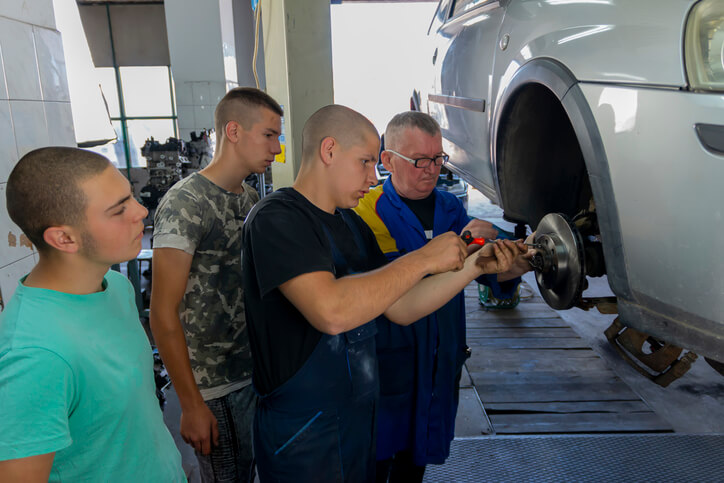
Aspiring mechanics don’t develop good habits by accident; training plays a major role. In a quality auto mechanic course, instructors make it clear that accuracy always comes before speed. Students may feel eager to work faster, but they quickly learn that rushing leads to mistakes.
Hands-on training encourages students to follow step-by-step procedures, use checklists, and complete full inspections without skipping “minor” tasks. When a student rushes and misses something, it becomes a teaching moment. Those mistakes reinforce why methodical work matters.
Instructors also emphasize correct tool usage and proper techniques, even if they take longer at first. This builds a strong foundation. Speed isn’t ignored; it’s just not rewarded at the expense of quality. Over time, students learn to manage tasks efficiently without cutting corners.
Gaining Speed the Right Way: Experience Builds Efficiency
One of the most important things for new mechanics to understand is that speed comes with experience. Early on, tasks take longer because every step requires focus. With repetition, those same tasks become smoother and faster, without sacrificing accuracy.
Experienced technicians aren’t rushing; they’re efficient. They prepare tools ahead of time, follow a logical sequence, and rarely need to redo work because they’ve mastered the process. Their speed is the result of confidence and consistency, not haste.
For students, the goal isn’t to race the clock. It’s to master the fundamentals. Once competence is built, efficiency follows naturally.
Accuracy First, Speed Second
In auto repair, rushing often leads to wasted time. Learning when to slow down is one of the most valuable lessons an aspiring mechanic can learn. A careful, methodical approach prevents mistakes, improves safety, and results in higher-quality work.
Speed is important, but it should come from experience, not shortcuts. Mechanics who prioritize accuracy develop stronger skills, avoid costly comebacks, and build lasting trust with clients.
During training and throughout a career, the principle remains the same: do it right first. With that foundation, speed will come, and it will be meaningful.
Are you ready to begin your journey at an auto mechanic school in Surrey?
The team at ATC is here to help you gain the skills, habits, and confidence to become a standout apprentice and a future leader in the trade.