

Intake Manifold Runner Control Problems: Power Loss, Codes, and Test Clues
In Brief: Intake Manifold Runner Control Problems
- Intake manifold runner control systems adjust airflow characteristics under different engine conditions.
- Faults may cause sluggish acceleration, reduced power, rough running, or a check engine light.
- Codes P2004 and P2006 indicate runner-control stuck-open and stuck-closed conditions, respectively.
- Actuators, vacuum lines, solenoids, linkages, and position sensors may all require inspection.
- Technicians confirm the cause through scan-tool data, visual checks, and manufacturer-specific tests.
Imagine pressing the accelerator to merge onto a highway, only to find that the engine feels unusually sluggish. The check engine light comes on, and a scan reveals a trouble code related to the intake manifold.
One possible culprit is the intake manifold runner control system. It helps manage airflow into the engine, and when something goes wrong, the driver may notice poor response, reduced power, or rough running.
For future automotive technicians, understanding how this system works is a useful lesson in connecting engine performance complaints with mechanical and electronic faults.
What Does an Intake Manifold Runner Control System Do?
The intake manifold runner control system changes the effective intake-air path or airflow characteristics to suit different engine speeds and loads. Depending on the engine design, movable flaps or valves alter the effective airflow path or the way air enters the cylinders. This can improve air movement at certain engine speeds and loads.
The system may use an electric motor or a vacuum-operated mechanism to move the runner valves. When everything works correctly, the driver probably won’t notice it. But if the mechanism becomes stuck or fails to respond, engine performance can suffer.
What Are the Symptoms of a Bad IMRC Valve?
A faulty runner-control system can affect how smoothly the engine responds, especially when intake airflow needs to change.
Common symptoms may include:
- Sluggish acceleration or reduced engine power
- Hesitation when pressing the accelerator
- Rough idle or uneven engine operation
- Increased fuel consumption in some cases
- An illuminated check engine light
The symptoms depend on the engine and how the runner valves have failed. For example, a stuck runner mechanism may interfere with the airflow characteristics the engine expects at lower speeds. However, similar symptoms can result from ignition, fuel-delivery, or other intake-system problems. That’s why technicians need diagnostic evidence before replacing parts.
Students preparing to become a mechanic can explore these diagnostic principles through ATC Cambridge’s Automotive Service Technician program.

What Does the P2004 Code Mean?
The P2004 code indicates that the intake manifold runner control system is stuck open on Bank 1. In simple terms, the engine control module has detected that the runner mechanism isn’t reaching or maintaining the expected position.
Possible causes include a sticking linkage, damaged actuator, vacuum problem, wiring fault, or incorrect position feedback. The code doesn’t automatically mean the intake manifold needs replacing. A technician must first determine whether the fault is mechanical, electrical, or related to the system’s control mechanism.
How Does an IMRC Actuator Control the Runner Valves?
The IMRC actuator moves the runner valves when the engine control system requests a change in airflow.
On electrically operated systems, a motor may move the mechanism directly. Vacuum-operated designs use engine vacuum or another vacuum source to operate a diaphragm or actuator. Some systems also use position feedback so the engine control module can check whether the runner valves have reached the commanded position.
If the actuator moves but the linkage is damaged, the runner valves may not respond correctly. Likewise, a mechanically sound actuator won’t work properly if it lacks electrical supply or a control signal.
This is why checking both the actuator and the connected mechanism matters. Students in auto mechanic training can begin developing the knowledge needed to investigate these faults.
What Does the P2015 Code Tell Technicians?
The P2015 code generally indicates that the Bank 1 intake-manifold-runner position signal or actual runner position is outside the expected operating range. Unlike P2004, it does not specifically identify a stuck-open condition.
Possible causes include a faulty position sensor, damaged wiring, linkage wear, actuator problems, or a mechanism that isn’t moving as expected. The exact diagnostic procedure depends on the vehicle. Technicians should check manufacturer service information before deciding whether the problem involves the sensor, actuator, or manifold assembly.
How Do Technicians Test an Intake Manifold Runner Control Actuator?
Imagine a vehicle arrives with poor acceleration and an intake-related trouble code. Instead of immediately replacing the manifold, a technician can work through the system step by step.
- Read the trouble codes. Retrieve stored codes and freeze-frame data to understand the conditions under which the fault occurred.
- Inspect the linkage. Check accessible runner-control arms and connections for damage, disconnection, or restricted movement.
- Check vacuum operation. On vacuum-operated systems, inspect hoses and the IMRC solenoid where fitted, following manufacturer procedures.
- Test electrical controls. Check the actuator’s power, ground, and control circuits using the appropriate service information.
- Compare commanded and actual positions. Where supported, use a scan tool to command runner movement and examine position feedback.
A technician may also inspect for carbon buildup or mechanical binding if the manufacturer’s diagnostic procedure identifies these as possible causes. These checks help determine whether the fault lies in the actuator, linkage, control circuit, or intake mechanism itself.
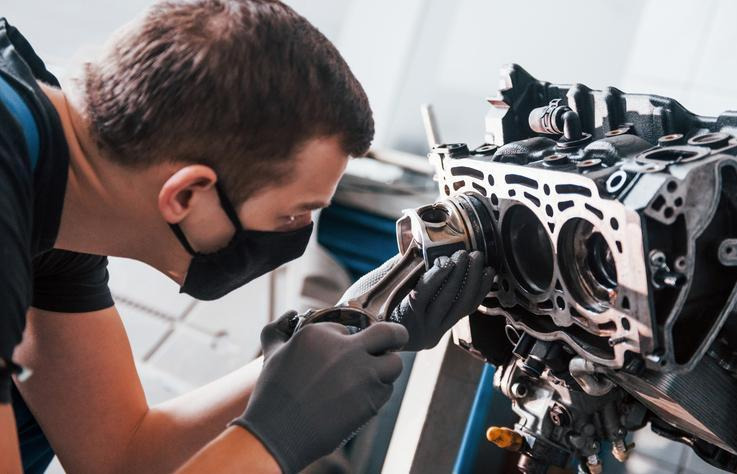
Why Should Future Mechanics Understand Runner-Control Problems?
Modern engines combine mechanical airflow systems with sensors, actuators, and electronic controls. Diagnosing a performance complaint means understanding how these components work together.
A stuck runner valve might feel like a general engine-power problem to the driver. For the technician, identifying the cause requires careful observation, testing, and interpretation of diagnostic data.
Would you like to explore training opportunities at our auto mechanic school?
Contact ATC Cambridge for more information.
Key Takeaways
- Intake manifold runner control systems adjust airflow characteristics to support engine performance.
- A faulty IMRC system may cause hesitation, reduced power, rough running, or a check engine light.
- The P2004 code indicates a stuck-open condition on Bank 1, while P2006 indicates a stuck-closed condition.
- The P2015 code relates to runner-position sensor or switch performance.
- Technicians investigate mechanical movement, vacuum operation, electrical controls, and position feedback before recommending repairs.
FAQ
What Does an Intake Manifold Runner-Control System Do?
The intake manifold runner control system changes the effective intake-air path or airflow characteristics to suit different engine speeds and loads.
What Are the Symptoms of a Bad IMRC Valve?
Possible symptoms include sluggish acceleration, hesitation, reduced power, rough running, increased fuel consumption, and an illuminated check-engine light. Other engine faults can cause similar symptoms.
What Do Codes P2004 and P2006 Mean?
P2004 generally indicates that the intake manifold runner control is stuck open on Bank 1, while P2006 indicates a stuck-closed condition on Bank 1. Both codes require further testing to identify the cause.
How Do Technicians Test an Intake Manifold Runner-Control Actuator?
Technicians inspect the runner linkage, check vacuum or electrical controls, retrieve diagnostic trouble codes, and compare commanded movement with actual position data where available. Testing procedures vary by vehicle.


