Hybrid Battery Cooling Fan Problems: Symptoms, Causes, and Preventive Maintenance
TL;DR
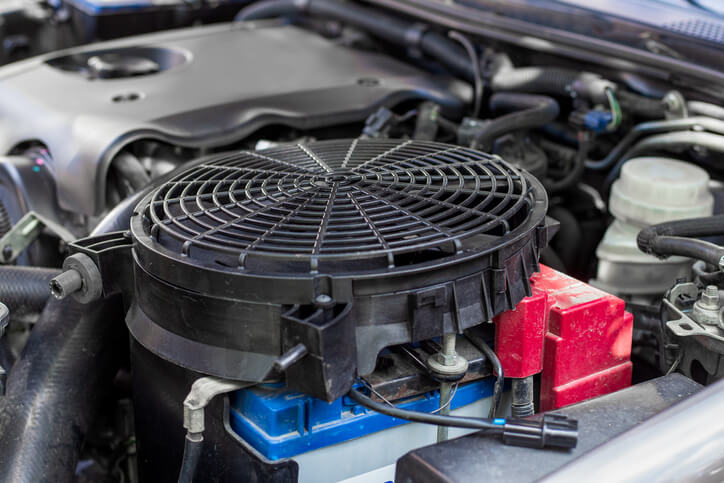
A hybrid battery cooling fan plays a critical role in regulating temperature inside the hybrid battery pack. When airflow is restricted or the fan fails, heat buildup can lead to performance issues, diagnostic codes like P0A80, and even premature hybrid battery replacement.
Hybrid vehicles rely on more than just electrical power; they rely on proper temperature control. The hybrid battery cooling fan is a key part of the battery cooling system, helping prevent overheating and maintain consistent performance.
When this system is compromised, the effects can build over time. Reduced airflow, dust buildup, or mechanical failure can increase battery temperature, leading to performance issues and long-term damage.
For students in automotive training, understanding how cooling systems support battery health is an essential part of modern hybrid car maintenance.
Symptoms of Hybrid Battery Cooling Fan Problems
What symptoms suggest a hybrid battery cooling fan issue? Early signs of a failing hybrid battery cooling fan are often subtle. Drivers may notice reduced fuel efficiency, inconsistent battery performance, or warning lights related to the hybrid system.
In more advanced cases, the vehicle may display fault codes such as P0A80, which is often associated with battery deterioration. While this code does not always indicate immediate battery failure, it can be linked to long-term heat stress caused by inadequate cooling.
Unusual fan noise or a fan that runs constantly may also signal a problem within the system.
How Airflow Restriction Affects Battery Health
How can airflow restriction affect battery health long-term? Airflow is essential for regulating temperature inside the hybrid battery pack. When airflow is restricted, often due to dust, debris, or blocked vents, heat builds up within the system.
Over time, elevated temperatures accelerate battery wear, reducing overall lifespan and efficiency. This type of gradual damage is one of the key reasons proper hybrid car maintenance includes inspecting cooling components.
Technicians understand that even minor airflow issues can lead to larger system problems if left unaddressed.
Why Cooling Issues Can Trigger Battery Codes
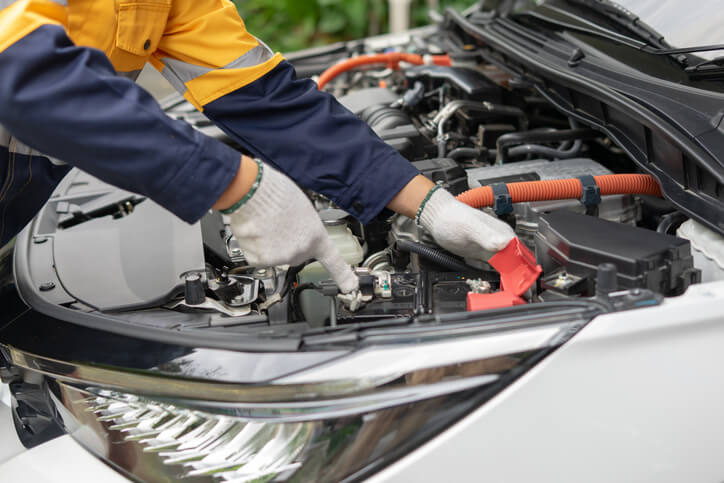
Why can cooling fan problems contribute to battery-related codes? The battery management system monitors temperature as part of the overall system health. When cooling is insufficient, the system may detect abnormal conditions and trigger diagnostic trouble codes.
Codes like P0A80 can sometimes reflect underlying thermal issues rather than immediate battery failure. This is why technicians evaluate the entire battery cooling system before recommending a hybrid battery replacement.
Proper diagnosis helps avoid unnecessary repairs and ensures the root cause is addressed.
Common Causes of Cooling Fan Failure
Several factors can affect the performance of a hybrid battery cooling fan. Dust buildup is one of the most common issues, especially in vehicles operating in environments with high particulate exposure.
Electrical faults, worn components, or restricted airflow paths can also reduce fan efficiency. In some cases, the issue may not be the fan itself but the surrounding system that supports airflow and temperature control.
Identifying the exact cause requires a systematic diagnostic approach.
Preventive Maintenance and Inspection
Preventive care is one of the most effective ways to avoid cooling system issues. Regular inspection of the hybrid battery cooling fan and surrounding airflow pathways helps ensure proper operation.
Technicians may clean intake vents, inspect fan performance, and verify that the system responds correctly under load. These steps are part of standard hybrid car maintenance and can significantly extend battery life.
For those exploring auto careers, this highlights the importance of proactive diagnostics rather than reactive repairs.
Is Thermal Management Covered in Training?
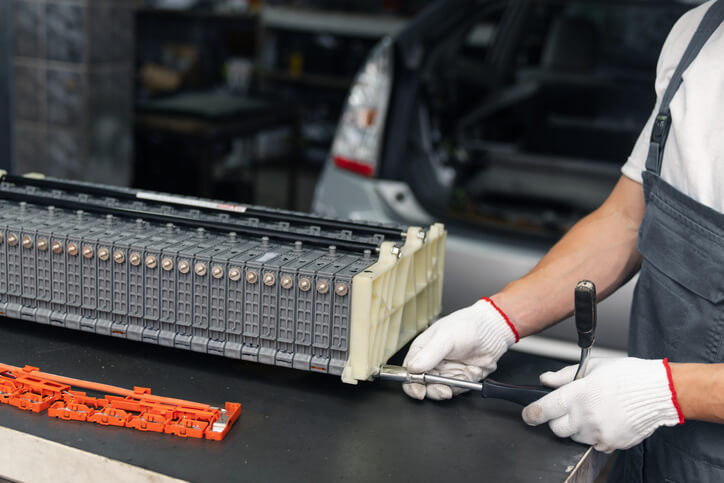
Do hybrid programs teach thermal management basics? Yes. At our auto mechanic school, training programs include hybrid system diagnostics, including battery cooling and thermal management concepts.
Students undergoing automotive training at ATC Toronto learn how cooling systems interact with battery performance and how to diagnose issues accurately. This includes understanding how airflow, temperature, and electrical systems work together.
As hybrid and electric vehicles become more common, these skills are increasingly important for technicians entering the field.
Are you looking for comprehensive automotive training?
Contact ATC Toronto for more information.
Key Takeaways
- A hybrid battery cooling fan regulates temperature within the battery system
- Restricted airflow can lead to overheating and reduced battery lifespan
- Codes like P0A80 may be linked to cooling system issues
- Preventive maintenance helps avoid costly hybrid battery replacement
- Understanding thermal systems is essential in modern automotive diagnostics
FAQ
What symptoms suggest a hybrid battery cooling fan issue?
Reduced efficiency, warning lights, unusual fan behavior, and battery-related codes can indicate a problem.
How can airflow restriction affect battery health long-term?
It causes heat buildup, which accelerates battery wear and reduces lifespan.
Why can cooling fan problems contribute to battery-related codes?
The system detects abnormal temperatures and triggers fault codes to indicate potential issues.
Do hybrid programs teach thermal management basics?
Yes, these concepts are included in modern automotive training programs.