
How to Check Oil the Right Way: A Step-by-Step Guide for New Techs
TL;DR
Learning how to check oil correctly is one of the first skills every technician must master. A simple dipstick check can reveal low oil levels, contamination, or potential engine problems. By following the correct steps and understanding what normal oil should look like, technicians can prevent misreads and protect engine performance.
Checking engine oil may seem simple, but learning how to check oil is one of the most important maintenance checks technicians perform.
Even experienced technicians can misread oil levels if steps are skipped or the check is performed under the wrong conditions. For new technicians learning how to check oil properly, understanding the correct process helps avoid mistakes that could lead to incorrect diagnostics or unnecessary repairs.
Whether diagnosing an oil light warning or performing routine maintenance, oil checks provide valuable information about engine health.
Why Is Checking Engine Oil So Important?
Engine oil performs several critical functions inside a vehicle.
It helps:
- Lubricate moving engine components
- Reduce friction and heat buildup
- Prevent premature engine wear
- Remove contaminants and debris
- Carry heat away from internal engine components
If oil levels drop too low, the engine may suffer severe damage. In many vehicles, the oil pressure warning light activates only after pressure has already dropped to a potentially unsafe level.
For that reason, technicians should always verify oil levels manually when diagnosing engine performance concerns. How often should you check your oil level between oil changes? Many technicians recommend checking oil at least once a month or every few thousand kilometres. Frequent checks help catch leaks or consumption issues before they become serious problems.
How to Check Oil the Correct Way Step-by-Step
Learning how to check oil properly requires a consistent step-by-step process.
Step 1: Park the Vehicle on Level Ground
A level surface ensures the oil inside the engine pan settles evenly. If the vehicle is parked on a slope, the reading may be inaccurate.
Step 2: Turn Off the Engine
Shut off the engine and allow the oil to drain back into the oil pan. Waiting about five minutes helps provide a more accurate reading.
Step 3: Locate the Dipstick
Open the hood and find the oil dipstick, usually marked with a coloured handle.
Step 4: Remove and Wipe the Dipstick
Pull the dipstick out and wipe it clean using a lint-free cloth or paper towel.
Step 5: Reinsert the Dipstick Fully
Place the dipstick back into the tube and push it all the way down to ensure an accurate measurement.
Step 6: Remove and Read the Oil Level
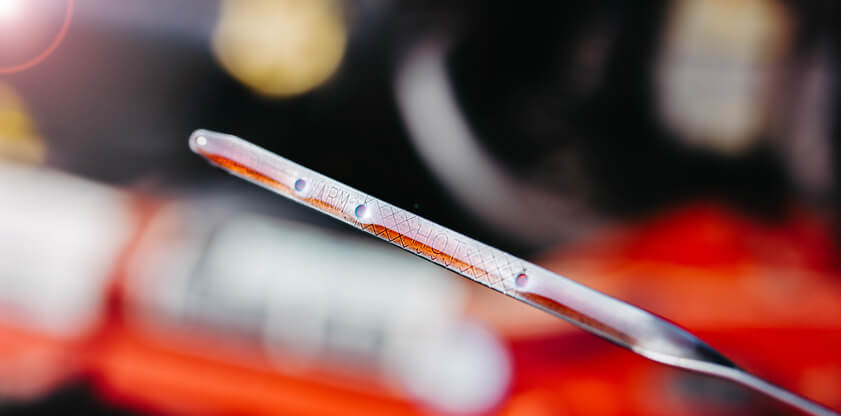
Pull the dipstick out again and check where the oil line sits.
Most dipsticks include two markings:
- Minimum level
- Maximum level
The oil should fall between these marks. Should you check engine oil when the engine is hot or cold? Engine oil is best checked when the engine has been turned off for a few minutes. This allows the oil to drain back into the oil pan while still being warm enough to flow easily.
What Does “Normal” Engine Oil Look Like?
When technicians check oil, they are not only looking at the level. Oil condition can also reveal engine health.
Healthy oil typically appears:
- Amber or light brown in colour
- Smooth in consistency
- Free of visible debris
As oil ages, it naturally darkens. However, certain conditions can signal problems.
For example:
- Milky oil may indicate coolant contamination
- Foamy oil can signal moisture or air in the system
- Fuel smell may suggest fuel dilution
These signs should prompt further inspection.
What Common Mistakes Cause Oil Misreads?
Auto mechanic school graduates may sometimes misinterpret oil levels because of simple procedural errors.
Common mistakes include:
- Checking the oil immediately after shutting off the engine
- Not wiping the dipstick before rechecking
- Checking oil on uneven ground
- Misreading oil streaks on the dipstick
Another mistake involves confusing oil-related warnings with other fluid systems. For example, oil and transmission systems use different fluids and measurement methods. Transmission fluid checks often require different procedures depending on the vehicle design. Following the correct steps every time helps prevent these errors.
What happens if you overfill engine oil, and how do you fix it? Overfilled oil can create excessive pressure and cause foaming, which reduces lubrication efficiency. The excess oil must be drained until the level falls within the correct dipstick range.
What Should Technicians Do If the Oil Light Appears?
If a customer reports a lit-up oil light in the car, technicians should always verify the oil level immediately.
A systematic diagnostic process may include:
- Checking the engine oil level with the dipstick
- Inspecting for oil leaks
- Verifying oil pressure with a gauge
- Confirming proper oil viscosity
Ignoring an oil warning can lead to serious engine damage. Quick verification helps determine whether the problem is low oil, sensor failure, or another mechanical issue.
Students training at ATC Toronto learn these procedures early because they form the foundation of many automotive diagnostics. Through structured automotive training, technicians build the practical skills needed to perform maintenance checks accurately and confidently.
These basic skills often become the starting point for long-term auto careers in automotive service.

Building Essential Skills for Auto Careers
Basic inspections may seem simple, but they are essential to every technician’s daily work.
Learning how to check oil correctly helps technicians develop attention to detail, mechanical awareness, and diagnostic discipline. These habits carry over into more advanced repairs and troubleshooting.
For students entering the automotive industry, mastering these fundamental skills is the first step toward a successful career in vehicle service.
Would you like to explore a variety of auto careers?
Contact ATC Toronto for more information.
Key Takeaways
- Learning how to check oil correctly is a foundational technician skill.
- Oil checks reveal both oil level and oil condition.
- Always check the oil on level ground after the engine has rested briefly.
- Oil colour, texture, and smell can indicate potential engine issues.
- Proper inspection habits support long-term success in automotive diagnostics.
FAQ
Should you check engine oil when the engine is hot or cold?
Engine oil is best checked when the engine has been turned off for a few minutes. This allows the oil to drain back into the oil pan while still being warm enough to flow easily.
How often should you check your oil level between oil changes?
Many technicians recommend checking oil at least once a month or every few thousand kilometers. Frequent checks help catch leaks or consumption issues before they become serious problems.
What happens if you overfill engine oil, and how do you fix it?
Overfilled oil can create excessive pressure and cause foaming, which reduces lubrication efficiency. The excess oil must be drained until the level falls within the correct dipstick range.
What does it mean if your oil looks milky, foamy, or smells like fuel?
Milky oil may indicate coolant contamination, often caused by a blown head gasket. Foamy oil can result from moisture or aeration, while a fuel smell may signal fuel dilution inside the engine.