Learning to Take Feedback: How Auto Mechanic Students Grow Faster in the Shop
A mechanic’s skill set isn’t built on hands-on practice alone. Just as important is the guidance received along the way. In an auto mechanic training classroom, feedback from instructors and peers plays a daily role in shaping how students learn, adjust, and improve. Far from being negative, constructive feedback helps clarify what’s working and what needs attention, allowing students to refine their skills faster and build confidence in the shop.
Learning to accept feedback early is also part of preparing for the real world. Professional mechanics constantly learn from diagnostic results, senior technicians, and even customer input. Training environments that normalize feedback help students develop this habit early, making growth part of the process rather than something to fear.
Why Feedback Accelerates Learning in Auto Mechanic Training
Feedback is especially effective in hands-on fields like automotive repair because it’s immediate and practical. When instructors point out an issue or suggest a better technique, students can correct it right away while the task is still fresh.
Key benefits of feedback during auto mechanic training include:
Faster Skill Development
Constructive feedback helps students correct techniques before bad habits form. Whether it’s brake servicing, diagnostics, or tool handling, timely guidance allows students to improve on the spot and remember the correct approach next time.
Stronger Confidence
Feedback isn’t only about corrections. Positive reinforcement—being told a procedure was done correctly or efficiently helps students trust their abilities. Over time, this builds confidence and encourages students to take on more complex tasks.
Real-World Readiness
Mechanics don’t work in isolation. On the job, feedback comes from senior technicians, service managers, and clients. Students who are used to receiving guidance adapt more easily to professional environments where learning never stops.
Resilience and Adaptability
Mistakes are inevitable when learning a trade. Students who receive feedback regularly learn to recover quickly, adjust their approach, and move forward. This resilience is critical in real shop settings, where challenges are part of the job.
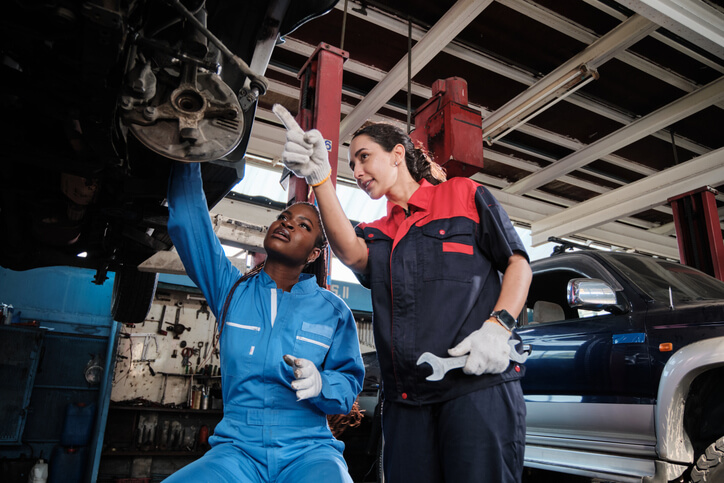
In auto mechanic training programs, instructors often work alongside students on real vehicles, offering guidance as tasks unfold. This hands-on mentorship helps students build confidence while learning the importance of accuracy, safety, and attention to detail.

A Supportive Learning Environment Makes Feedback Effective
The way feedback is delivered matters. Strong automotive training programs foster an environment where mistakes are treated as learning opportunities—not failures. Instead of penalizing errors, instructors explain what went wrong and how to fix it, creating a constructive feedback loop that supports steady improvement.
When students know instructors are there to help them succeed, they’re more willing to ask questions, take risks, and stay engaged. This supportive approach keeps motivation high and helps students focus on progress rather than perfection.
Embracing a Growth Mindset in the Shop
A growth mindset, the belief that skills improve with effort and learning, goes hand-in-hand with feedback. Students who view corrections as guidance rather than criticism tend to progress faster and retain skills more effectively.
In practice, this means staying open to input and using mistakes as learning moments. If a diagnostic step is missed or a procedure is done incorrectly, the goal isn’t to get discouraged; it’s to understand why and apply that knowledge next time. Many experienced mechanics will say their best lessons came from early mistakes corrected under guidance.
Instructors play a key role here as mentors. By helping students reframe errors as progress, they reduce fear of failure and encourage consistent improvement. Over time, students begin to see feedback as proof that they’re learning, not falling behind.
Tips for Making the Most of Feedback During Training
Knowing feedback is valuable is one thing, but using it effectively is another. Here are practical ways students can get the most out of feedback in the shop:
- Listen carefully and reflect. Give full attention to feedback and focus on specific suggestions rather than reacting emotionally.
- Ask questions. If something isn’t clear, ask for clarification. This shows commitment to learning and prevents repeated mistakes.
- Apply corrections immediately. Practicing changes right away helps lock in new techniques.
- Track progress. Noting recurring feedback and improvements helps students see how far they’ve come.
- Stay open-minded. Feedback is meant to help, not criticize. A positive mindset makes learning easier and faster.
Peer feedback also plays an important role. Classmates often notice details others miss, and working together encourages collaboration, replicating a real auto shop where technicians double-check each other’s work.
From Training to Career: Feedback as a Lifelong Tool
The ability to accept feedback doesn’t stop at graduation. Mechanics who remain open to learning tend to advance faster in their careers. Whether it’s a senior technician suggesting a more efficient method or training on new vehicle technology, feedback keeps skills sharp and relevant.
There’s also a clear link between feedback-driven training and job performance. Mechanics who learn in environments where errors are corrected early are more likely to deliver quality repairs, avoid costly mistakes, and earn customer trust. Employers value technicians who accept guidance professionally and work well with others.
Even customer input becomes a form of feedback. Listening carefully and responding appropriately helps mechanics improve service quality and build strong reputations over time.
Feedback Is a powerful Tool
Feedback is one of the most powerful tools an auto mechanic school student can use. While it may not always be easy to hear corrections, those moments often lead to the greatest improvement. Each adjustment strengthens skills, confidence, and professionalism.
By embracing feedback throughout training, students develop not only technical ability but also the mindset needed for long-term success. That combination of skill plus openness to learning is what helps mechanics grow faster, perform better, and build lasting careers in the automotive industry.
Do you want to become a mechanic?
Contact ATC Cambridge for more information about how a feedback-rich training environment can launch your automotive career.