Heater Core Symptoms: Fogged Windows, Sweet Smells, and Weak Cabin Heat
In Brief: Heater Core Symptoms
Common heater core symptoms include weak cabin heat, persistent windshield fogging, a sweet smell in the car, damp passenger-side carpeting, and unexplained coolant loss. However, poor heat or fogged windows alone do not prove the heater core has failed. Technicians inspect the cooling and HVAC systems to determine whether the problem is a leak, restricted coolant flow, low coolant, an HVAC control fault, or another issue.
On a cold Toronto morning, a working heater does more than make the drive comfortable. It also helps clear the windshield so the driver can see properly. When the windows keep fogging, the cabin smells unusually sweet, or the vents stop producing warm air, the heater core may deserve a closer look.
Recognizing heater core symptoms is useful for students beginning auto mechanic school. More importantly, future technicians need to understand why those symptoms occur and how to confirm the fault instead of replacing an expensive component based on a hunch.
What Are Bad Heater Core Symptoms?
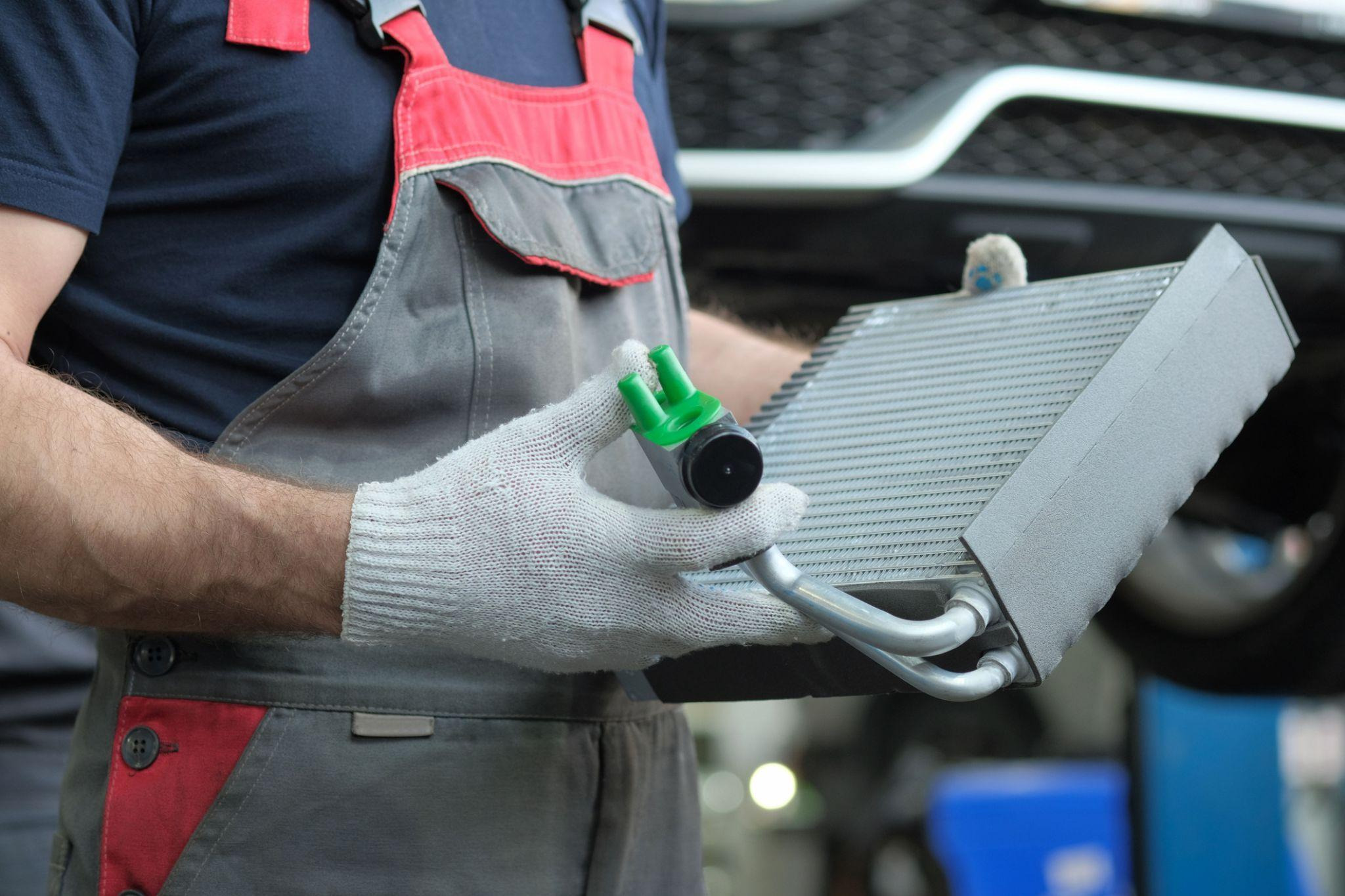
What are the symptoms of a bad heater core? They can include poor cabin heat, coolant loss, damp carpeting, windshield fogging, and a noticeable coolant smell inside the vehicle. The heater core works much like a small radiator. Hot engine coolant passes through it, and the HVAC blower moves air across the core to provide cabin heat.
When a heater core leak develops, coolant may escape beneath the dashboard or enter the cabin as a fine mist. AAA notes that heater-core leakage can cause windshield fogging and wet carpeting in the front passenger area. Other heater core problems, such as internal restriction, may reduce coolant circulation and contribute to weak heating.
Why Do My Windows Fog Up When the Heater Is On?
A leaking heater core is one possible explanation because warm coolant mist can introduce moisture into the cabin and create a film on the windshield. This can be an important diagnostic clue, particularly when fogging appears alongside coolant loss or an unusual smell.
But technicians should avoid jumping to conclusions. Ordinary condensation, wet clothing, water leaks, and other sources of cabin moisture can also produce foggy glass. During automotive training, students learn to look for combinations of evidence. The classic foggy windows heater core complaint becomes more significant when technicians also find damp carpeting, low coolant, or signs of leakage.
Can a Leaking Heater Core Cause a Sweet Smell Inside the Car?
Yes. Engine coolant commonly has a distinctive sweet odour, so coolant leaking or misting from the heater core can create a sweet smell in car interiors. A sweet odour is a possible sign of coolant leakage, including leakage from the heater core.
Technicians may inspect the passenger footwell for moisture, check coolant level and condition, and examine accessible heater hoses and connections.
A car heater not blowing hot air can provide another clue, but poor heat has several possible causes. Low coolant, air trapped in the cooling system, thermostat trouble, blend-door problems, or restricted coolant flow may produce similar complaints. That is why diagnosis matters.

Can You Drive With a Bad Heater Core?
Continuing to drive may be unsafe if the problem involves significant coolant loss, engine overheating, or windshield visibility that cannot be maintained.
A leaking heater core is part of a larger cooling-system concern. If enough coolant escapes, the engine may eventually overheat. AAA advises drivers to stop safely and shut the engine off when overheating occurs because continuing to drive can cause severe engine damage.
Poor windshield clearing is another concern, especially during Toronto’s colder months. Students preparing for auto careers therefore learn to consider both the customer’s comfort complaint and the potential safety implications behind it.
How Do Technicians Confirm Heater Core Problems?
Diagnosis typically starts by gathering evidence rather than immediately removing the dashboard.
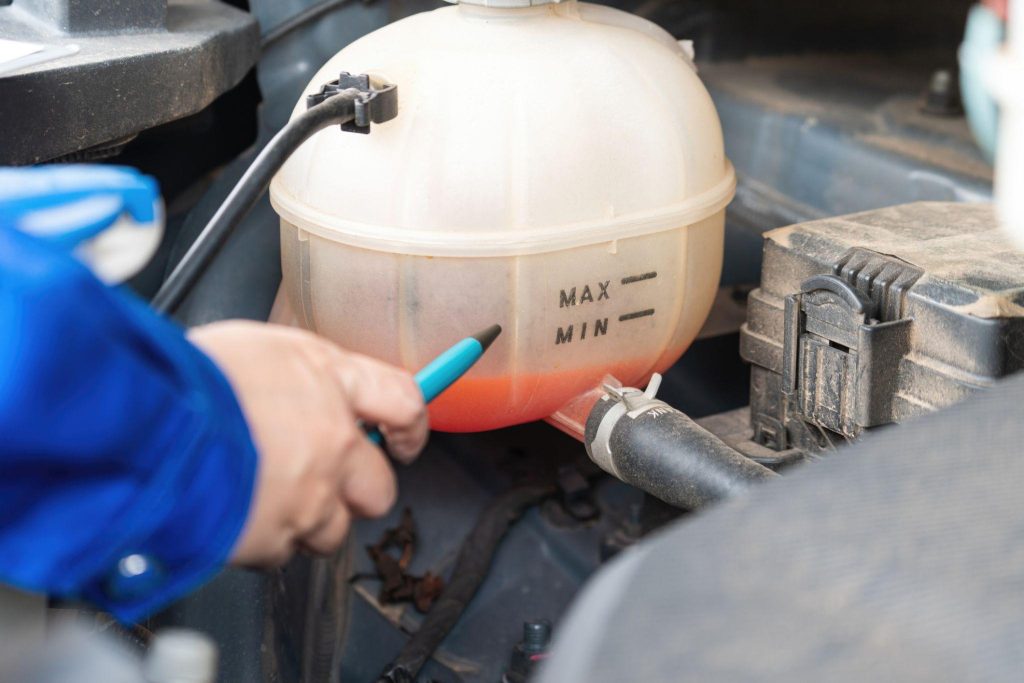
Technicians may verify the customer’s complaint, inspect coolant level and condition, pressure-test the cooling system where appropriate, examine heater hoses, look for coolant inside the cabin, and evaluate heater performance. Comparing heater-hose temperatures can also provide clues about coolant flow through the core.
If the problem is weak heat, technicians may investigate coolant circulation and HVAC airflow or temperature controls before blaming the core.
This careful process matters because heater core replacement cost can include substantial labour. Heater cores are often located deep inside the dashboard, making access difficult on many vehicles.
A sound diagnosis helps ensure that a major repair addresses the actual fault.
Would you like to explore training options at our auto mechanic school?
Contact ATC Toronto for more information.
Key Takeaways
- Bad heater core symptoms can include weak heat, fogged windows, coolant loss, damp carpeting, and a sweet coolant smell.
- A heater core leak can allow coolant into the passenger compartment.
- Foggy windows alone do not prove that the heater core is leaking.
- A car heater not blowing hot air may have several causes beyond the heater core.
- Significant coolant loss can contribute to engine overheating.
- Technicians inspect the complete cooling and HVAC systems before recommending heater-core replacement.
- Heater core replacement cost can be influenced heavily by the labour required to access the component.
FAQ
What are the symptoms of a bad heater core?
Common signs include weak cabin heat, persistent windshield fogging, a sweet coolant smell, unexplained coolant loss, and damp carpeting near the passenger footwell.
Why do my windows fog up when the heater is on?
A heater-core leak can introduce warm coolant mist and moisture into the cabin, although ordinary condensation and other moisture sources can also cause fogging.
Can a leaking heater core cause a sweet smell inside the car?
Yes. Coolant has a recognizable sweet odour, and a leaking heater core can allow that smell to enter the passenger compartment.
Can you drive with a bad heater core?
It depends on the severity, but driving should be avoided if coolant loss causes overheating or if fogged windows interfere with visibility. The vehicle should be inspected promptly.