
Headlight Aim and Auto-Levelling: Why Winter Visibility Checks Go Beyond Replacing Bulbs
In Brief: Headlight Alignment: Winter Inspection Guide for Techs
Winter headlight inspections involve more than checking whether the bulbs work. Incorrect headlight alignment can reduce road visibility or cause glare, even when both headlights are bright. Automotive technicians inspect beam patterns, headlamp mounting, suspension condition, and automatic levelling systems to identify the cause. These diagnostic skills are an important part of modern automotive maintenance.
A driver brings a vehicle into the shop because the headlights seem unusually dim on dark winter roads. Both bulbs are working, and the lenses look clean. Yet the road ahead remains poorly illuminated. The problem may have little to do with light output. Instead, the beams could be aimed too low, sending much of their light toward the pavement immediately ahead of the vehicle.
Problems like these show why headlight alignment deserves attention during winter inspections. Headlights need to illuminate the road at the correct angle without creating excessive glare for approaching drivers. For automotive technicians, identifying an aiming problem means looking beyond the bulbs to the headlamp assemblies, vehicle suspension, and, on some models, electronic levelling controls.
Why Is Proper Headlight Aim Important During Winter?
Winter brings longer periods of darkness, snowfall, and changing road conditions. Drivers rely on properly functioning headlights to identify obstacles, road markings, and other vehicles. Transport Canada’s winter vehicle preparation guidance reinforces the importance of keeping vehicles in good condition before winter weather arrives.
Even powerful headlights can perform poorly when their beams are incorrectly positioned. Lights aimed too high may create glare for oncoming drivers, while headlights pointing too low can shorten the useful illuminated distance ahead.
Common headlight alignment symptoms include:
- One headlight illuminating farther down the road than the other.
- A noticeably uneven beam pattern.
- Poor forward visibility despite working bulbs.
- Other drivers frequently flashing their headlights.
- Beam height changing unexpectedly or remaining unusually low.
These symptoms warrant an inspection, although they do not always indicate an aiming fault. Dirty lenses, deteriorating components, and electrical problems can produce similar complaints. Modern automotive training is relevant to more than routine parts replacement.
How Do Technicians Check Headlight Alignment?
A technician begins by checking the condition of the vehicle and its lighting components. Headlamp assemblies must be securely mounted, with no obvious damage to their brackets or adjusters. Tire pressure, suspension condition, and vehicle loading also matter because changes in ride height can affect where the beams point.
Next comes the headlight aim test. Depending on the vehicle and workshop equipment, technicians use an approved aiming screen or optical headlamp alignment equipment to assess beam position.
The process generally involves positioning the vehicle on a suitable level surface, preparing it according to manufacturer instructions, and comparing the beam pattern with the specified alignment targets. When an adjustment is necessary, the technician follows the manufacturer’s headlight beam adjustment procedure.
Knowing how to adjust headlights involves more than turning an adjustment screw. Different headlamp designs have different aiming methods, and some electronic systems require diagnostic equipment or calibration procedures.
For people considering auto careers, headlight inspections offer a practical example of the attention to detail involved in vehicle maintenance. Winter driving safety depends on many systems working properly. Lighting is one of them, and effective service begins with finding the actual cause of a visibility complaint.
What Is Automatic Headlight Levelling, and How Can It Fail?
Some vehicles use automatic headlight levelling to compensate for changes in vehicle attitude and loading. For example, adding heavy luggage or passengers can lower the rear suspension and change the angle of the headlights. An automatic levelling system can adjust the beam height to help maintain the intended illumination pattern.
Depending on the design, the system may use suspension-height sensors, electronic control modules and motors within the headlamp assemblies. Faults can develop when a sensor linkage breaks, wiring becomes damaged, an actuator fails, or a control module receives incorrect information.
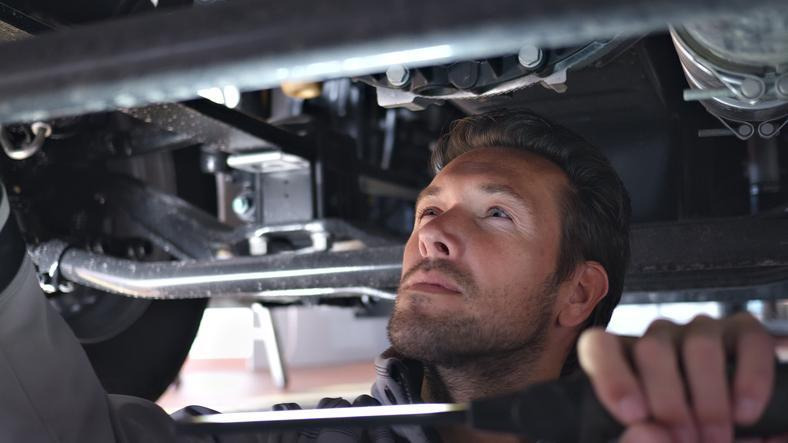
A technician investigating a levelling complaint may inspect sensor linkages and connectors, check diagnostic trouble codes, evaluate live sensor data, and perform the manufacturer’s specified tests. Simply adjusting the beam mechanically may not solve the underlying fault. The levelling system must operate correctly before final aiming can be trusted.
Can Replacing a Headlight Bulb or Assembly Change Beam Aim?
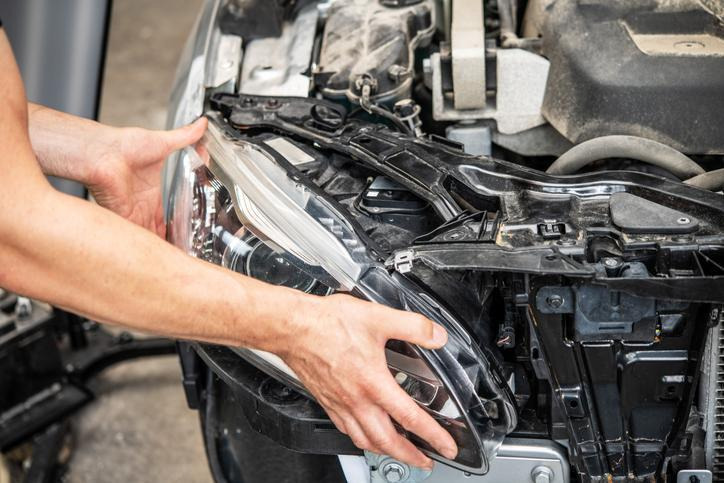
Yes, particularly when the repair affects how the light source or headlamp assembly sits in the vehicle. An incorrectly seated replacement bulb can distort the beam pattern. Replacing or removing an entire headlamp assembly may also change its position relative to the body.
Collision repairs, damaged mounting brackets, and suspension modifications can affect beam direction. Technicians should therefore verify alignment after repairs that could disturb the headlamp position. Some modern lighting systems also require electronic setup or calibration.
As I-CAR’s headlamp aiming guidance explains, repair procedures vary by vehicle, making manufacturer service information essential.
How Does Headlight Diagnosis Connect to Automotive Training?
A winter visibility complaint gives technicians an opportunity to combine several diagnostic skills. They must interpret the driver’s symptoms, inspect mechanical components, understand electrical controls, and verify that the completed repair meets the vehicle manufacturer’s specifications.
Understanding why a component is malfunctioning and confirming that a repair has corrected the problem are important aspects of professional diagnosis.
Would you like to explore training opportunities at our auto mechanic school?
Contact ATC Toronto for more information.
Key Takeaways
- Headlight alignment affects both road visibility and glare.
- Winter lighting inspections should consider beam position, not just bulb operation.
- Automatic levelling faults may involve sensors, actuators, wiring, or electronic controls.
- Headlamp replacement and suspension repairs can make alignment verification necessary.
- Accurate diagnosis requires inspection, testing, and adherence to manufacturer procedures.
Frequently Asked Questions
Why is proper headlight aim important?
Proper headlight alignment helps direct light toward the road without creating excessive glare for other drivers. Incorrect aim can reduce forward visibility even when the headlights are working normally.
How do technicians check headlight alignment?
Technicians inspect the headlamp assemblies, vehicle ride height and mounting components before performing a headlight aim test using appropriate equipment. They compare the beam pattern with manufacturer specifications and make adjustments where necessary.
What causes auto-levelling headlights to fail?
Common causes include damaged suspension-height sensors, broken linkages, faulty actuators, wiring problems, and control module faults. Diagnosis may require electronic testing and manufacturer-specific procedures.
Can headlight replacement change beam aim?
Yes. Replacing or removing a headlamp assembly can affect its alignment. An incorrectly seated bulb may also distort the beam pattern. Technicians should verify beam aim after repairs that could affect headlamp positioning.


