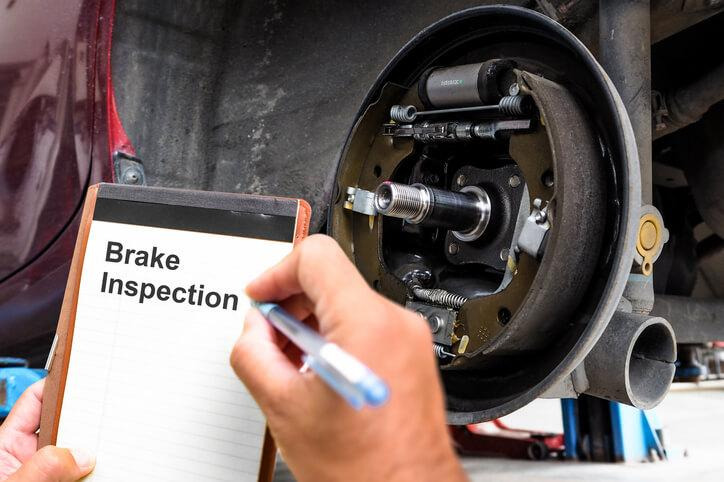
Brake Booster Problems: Hard Pedals, Vacuum Leaks, and First Checks
In Brief: Why Is My Brake Pedal Hard
Why is my brake pedal hard? Reduced power assist is one possibility. A brake booster problem, vacuum leak, damaged hose, vacuum-pump fault, or another braking-system issue can increase the effort required at the pedal. Technicians inspect the system and test vacuum and booster operation before replacing components. Because reduced brake assist can increase stopping distance, a sudden or significant change in brake-pedal effort should be treated as a safety concern.
A brake pedal should provide enough feedback for the driver to control braking, but it should not suddenly require excessive force. When a driver asks “Why is my brake pedal hard?” the answer may involve the system designed to make braking easier: the brake booster.
The booster provides power assistance so the driver does not have to generate all the braking force through pedal effort alone. If that assistance becomes limited, the brakes may still operate, but pressing the pedal can require considerably more force. Transport Canada has found that a loss of vacuum assist can increase pedal effort and stopping distance.
For students at our auto mechanic school in Surrey, this complaint provides a useful lesson in systematic diagnosis. A hard pedal does not automatically mean the booster needs replacement.
Why Is My Brake Pedal Hard?
What causes a hard brake pedal? Reduced power assist is one possible cause, but technicians need to determine why the assist has been lost. Many conventional power-brake systems use vacuum to help the booster reduce the force a driver needs to apply at the pedal. Depending on the vehicle design, that vacuum may come from the engine or a dedicated vacuum pump.
A problem with the booster itself can therefore create a hard brake pedal, but so can a leaking or restricted vacuum hose, a defective connection, a faulty check valve, or a vacuum-pump concern. Manufacturer diagnostic information hosted by NHTSA demonstrates this distinction: technicians may need to test the vacuum hose assembly, booster, vacuum pump, sensor, and related circuits rather than assuming the booster itself has failed.
Other braking-system concerns may also change pedal feel. That is why technicians consider the entire car brake system and the circumstances under which the symptom appears.
How Do You Test a Brake Booster?
Procedures vary by vehicle, but technicians generally check whether the booster receives and retains the assistance it needs and whether pedal behaviour changes appropriately when assist becomes available.
A basic operational principle can sometimes be observed at the pedal. Manufacturer service instructions published by NHTSA describe a procedure in which the engine is off, the brake pedal is pressed several times, then held while the engine is started. With normal booster operation in that particular procedure, the pedal should drop slightly when assist becomes available.
Students in our Automotive Service Technician Foundation program learn why manufacturer procedures matter. Diagnosis can involve checking the available vacuum, inspecting hoses and connections, reviewing warning indicators, and evaluating the booster and vacuum source separately.
Can a Vacuum Leak Cause a Hard Brake Pedal?
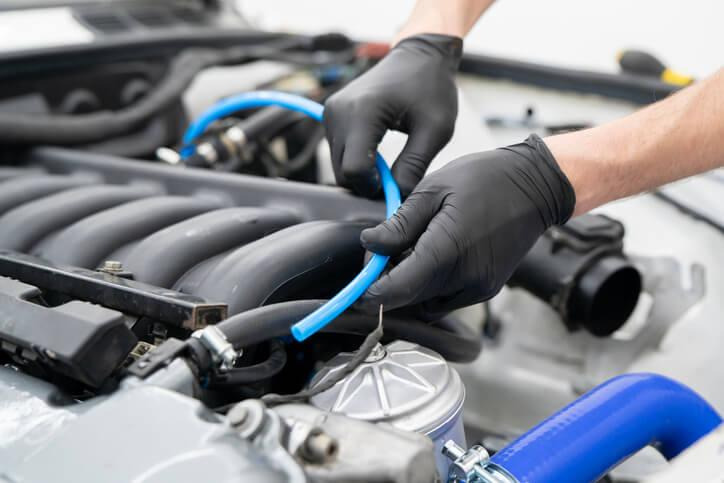
Yes. If a vacuum-assisted brake booster cannot receive or maintain sufficient vacuum, power assistance can be reduced, and the driver may experience increased pedal effort. The leak does not necessarily have to be inside the booster. Hoses, seals, fittings, or other components between the vacuum source and booster may be involved.
This illustrates why a stiff brake pedal requires diagnosis rather than guesswork. Technicians may visually inspect hoses for damage or poor connections and perform appropriate vacuum tests according to manufacturer procedures. They can then use those findings to narrow down whether the concern originates with the vacuum supply, booster, pump, or another component.
Is It Safe to Drive With a Failing Brake Booster?
A significant loss of brake assist should be treated seriously because it can increase the amount of force required to stop the vehicle and potentially extend stopping distance. That distinction matters. Saying that the brakes still technically operate does not make reduced assist safe to ignore.
If pedal effort suddenly increases, the driver should avoid assuming that pressing harder will always compensate for the problem. A qualified technician should inspect a vehicle showing significant changes in brake operation.
For anyone completing our auto mechanic course, safety-focused diagnosis is especially important when dealing with brakes.
Why Brake Inspections Go Beyond the Booster
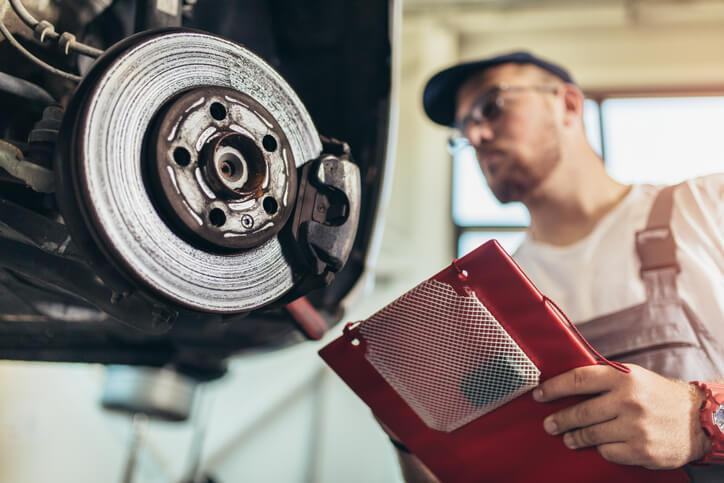
A customer complaint provides a starting point, not a diagnosis. During brake inspections, technicians consider the driver’s description alongside physical and functional checks. They may ask whether the hard pedal occurs constantly, only during startup, after repeated brake applications, or under particular operating conditions.
Technicians may also inspect related braking components when appropriate. The goal is to determine whether the symptom results from reduced assist or another condition affecting pedal feel.
That diagnostic discipline can save time, prevent unnecessary parts replacement, and, most importantly, help ensure that a safety-critical system is functioning correctly before the vehicle returns to the road.
Would you like to explore training opportunities at our auto mechanic school in Surrey?
Contact ATC Surrey for more information.
Key Takeaways
- If you’re asking why is my brake pedal hard, reduced brake assist is one possible explanation.
- A hard brake pedal can result from booster, vacuum hose, vacuum source, pump, or other braking-system problems.
- A vacuum leak can reduce the assistance provided by some brake-booster systems.
- Technicians test the system rather than replacing the booster based on pedal feel alone.
- Vehicle-specific service information is important because brake-assist designs and diagnostic procedures vary.
- Reduced power assist can increase pedal effort and stopping distance, making significant changes in braking behaviour a safety concern.
- Comprehensive brake inspections help technicians confirm the root cause before recommending repairs.
FAQ
What causes a hard brake pedal?
A hard pedal can result from reduced power assist caused by a booster problem, vacuum leak, damaged or restricted hose, vacuum-pump fault, or another braking-system concern. Diagnosis is needed to determine the actual cause.
How do you test a brake booster?
Technicians may inspect vacuum hoses and connections, measure vacuum, check the vacuum source, and assess how the booster responds according to manufacturer procedures. The correct tests depend on the vehicle’s brake-assist design.
Can a vacuum leak cause a hard brake pedal?
Yes. A leak can prevent a vacuum-assisted booster from receiving or retaining enough vacuum, potentially reducing brake assist and increasing pedal effort.
Is it safe to drive with a failing brake booster?
A significant loss of brake assist can require much greater pedal effort and may increase stopping distance. Transport Canada has identified reduced vacuum assist as a potential safety concern, so a sudden or substantial change in braking effort should be professionally inspected.