Fuel Trim Explained: How Techs Diagnose Lean and Rich Conditions Using Live Data
TL;DR
Understanding fuel trim is essential for diagnosing lean and rich engine conditions. By analyzing short-term and long-term fuel trim values through an OBD2 scanner, technicians can identify issues like vacuum leaks, sensor faults, or fuel delivery problems. This skill is a core part of modern automotive diagnostics.
When an engine isn’t running quite right, the answer isn’t always found in a fault code. Often, the real story shows up in live data, specifically in fuel trim readings. These values reveal how the engine is adjusting its air-fuel mixture in real time, offering clues that go far beyond basic diagnostics.
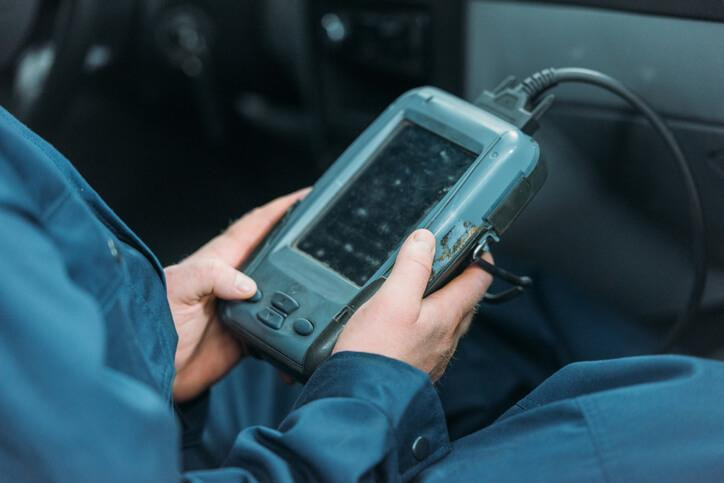
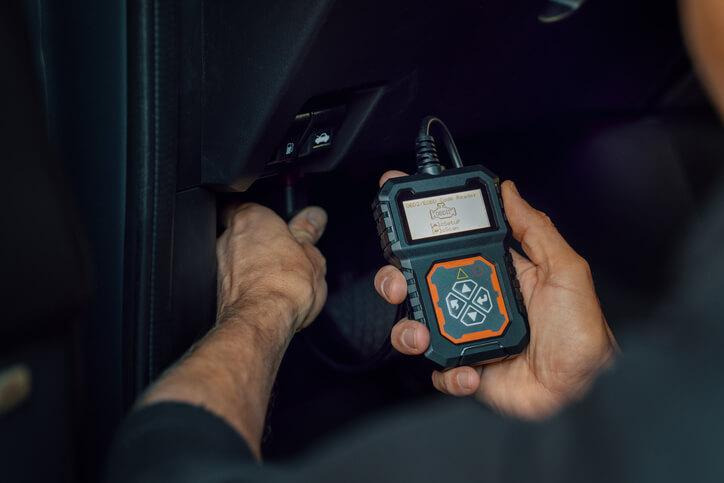
For an aspiring technician, learning to interpret these adjustments is a major step forward. Instead of relying solely on diagnostic trouble codes, professionals use tools like an OBD2 scanner to analyze patterns and trends in engine behavior.
This approach is central to modern automotive diagnostics, where understanding live data is just as important as identifying faults. It’s also a key focus in auto mechanic training, helping students develop the skills needed to diagnose issues accurately and efficiently.
What Is Fuel Trim and Why Does It Matter?
Fuel trim refers to the adjustments an engine control module makes to maintain the correct air-fuel ratio. These adjustments are necessary because real-world conditions, such as temperature, engine wear, or sensor performance, can affect how the engine runs.
Instead of operating on fixed values, the system continuously adapts. This allows the engine to run efficiently while minimizing emissions. When fuel trim values move too far in one direction, it often signals an underlying issue that needs attention.
Understanding these adjustments helps technicians detect problems early, often before they trigger warning lights or more serious symptoms. AT ATC auto mechanic school, hands-on training helps students connect theory with practice. They learn how to use scan tools, interpret data, and apply structured diagnostic methods to real-world scenarios.
Short-Term vs Long-Term Fuel Trim
What’s the difference between short-term and long-term fuel trim? Short-term fuel trim (STFT) reflects immediate adjustments made by the engine control module. These changes happen quickly in response to sensor input and driving conditions.
Long-term fuel trim (LTFT), on the other hand, represents a broader trend. It shows how the system has adapted over time based on consistent patterns in engine performance.
Together, these values provide a more complete picture. While STFT shows what’s happening right now, LTFT reveals whether the engine has been compensating for an ongoing issue.
What Fuel Trim Numbers Indicate a Problem?
Fuel trim values are typically expressed as percentages. When readings stay close to zero, the system is operating normally. As values move higher or lower, it indicates that the engine is adding or reducing fuel to maintain balance.
Consistently high positive numbers often suggest a lean condition, where the engine is adding fuel to compensate for too much air. Negative values, on the other hand, indicate a rich condition, where the system is reducing fuel.
Technicians look for patterns rather than isolated numbers. Consistency across different driving conditions helps confirm whether an issue is present.
Diagnosing Lean vs Rich Conditions
Can the fuel trim point to a vacuum leak vs a fuel delivery issue? Yes. Fuel trim data is especially useful for distinguishing between different types of problems. A lean condition, indicated by positive fuel trim values, may point to issues such as vacuum leaks, unmetered air entering the system, or sensor inaccuracies.
A rich condition, reflected by negative values, may suggest excessive fuel delivery, leaking injectors, or faulty sensors.
Because modern vehicles rely on interconnected systems through the CAN bus, these issues can sometimes overlap. This is why technicians use fuel trim alongside other diagnostic tools to confirm the root cause.
Why Live Data Matters More Than Codes Alone
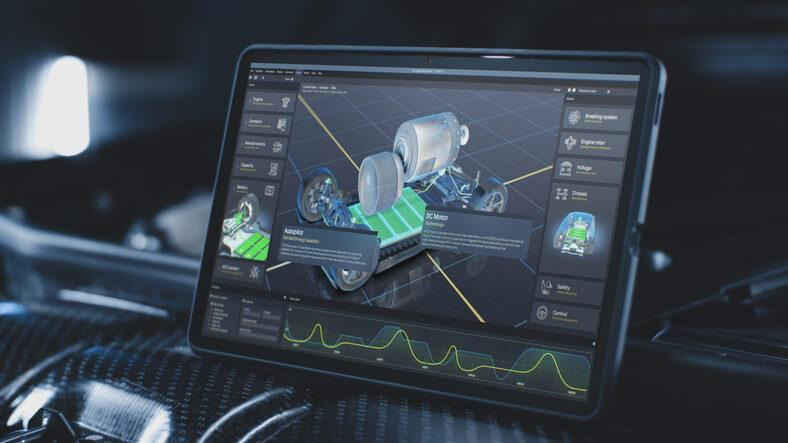
Reading diagnostic trouble codes provides a starting point, but it doesn’t always explain why a problem is occurring. Fuel trim data adds context by showing how the engine is responding in real time.
By analyzing live data, technicians can see whether a condition is consistent, intermittent, or influenced by specific driving conditions. This reduces guesswork and leads to more accurate repairs.
This data-driven approach is what defines modern automotive diagnostics, where understanding system behavior is just as important as identifying faults.
Is Fuel Trim Analysis Taught in Training Programs?
Do programs teach live-data diagnosis beyond reading codes? Yes. Learning to interpret fuel trim is a key part of auto mechanic training at ATC Toronto. Students are introduced to live data analysis early in their education, allowing them to build confidence with diagnostic tools and techniques.
This foundation prepares them for the increasing complexity of modern vehicles, where data interpretation is a critical skill.
Would you like to explore a wide range of auto careers?
Contact ATC Toronto for more information.
Key Takeaways
- Fuel trim shows how the engine adjusts the air-fuel mixture in real time
- Short-term and long-term fuel trim provide different insights into engine performance
- Positive values often indicate lean conditions, while negative values suggest rich conditions
- Fuel trim data helps identify issues like vacuum leaks and fuel delivery problems
- Live data analysis is a core skill in modern automotive diagnostics and training
FAQ
What’s the difference between short-term and long-term fuel trim?
Short-term fuel trim reflects immediate adjustments, while long-term fuel trim shows trends over time.
Can the fuel trim point to a vacuum leak vs a fuel delivery issue?
Yes, positive values often indicate lean conditions like vacuum leaks, while negative values suggest rich conditions.
What fuel trim numbers typically indicate a problem?
Values that consistently deviate significantly from zero often indicate an issue with air-fuel balance.
Do programs teach live-data diagnosis beyond reading codes?
Yes, modern training programs emphasize live data analysis as a key diagnostic skill.