Fuel Pump Relay Problems: Electrical Checks Before Replacing the Pump
In Brief: Fuel Pump Relay Symptoms
A no-start condition doesn’t automatically mean the fuel pump has failed. Fuel pump relay symptoms can closely resemble pump or wiring faults, making proper diagnosis essential. Professional technicians inspect the relay, fuse, voltage supply, wiring, and perform a fuel pressure test before recommending replacement. Students in our auto mechanic school in Surrey learn this systematic approach because modern automotive diagnostics depend on testing, not guessing.
A vehicle that cranks but refuses to start often leads drivers to suspect the fuel pump. While the pump is certainly a possibility, it’s only one component in the fuel delivery system. The relay that supplies electrical power to the pump can fail as well, producing many of the same symptoms.
Replacing a fuel pump without confirming the electrical system can be an expensive mistake. That’s why technicians follow a logical diagnostic process that begins with simple electrical checks before moving to component replacement. Students enrolled in the Automotive Service Technician Foundation program at ATC Surrey learn this workflow early because accurate diagnosis is one of the most valuable skills in today’s repair industry.
What Are Bad Fuel Pump Relay Symptoms?
What are the symptoms of a bad fuel-pump relay? A faulty relay may prevent the fuel pump from receiving electrical power, causing starting and drivability problems.
Common fuel pump relay symptoms include:
- Engine cranks but will not start
- Intermittent no-start condition
- Engine stalls unexpectedly
- Fuel pump does not prime when the ignition is turned on
- Loss of fuel pressure
- Occasional starting after several attempts
Many of these complaints are also associated with fuel pump failure symptoms, which is why technicians never rely on symptoms alone when diagnosing the problem. Through hands-on practice in an auto mechanic course, students build confidence using multimeters, scan tools, and pressure gauges to diagnose problems accurately while avoiding unnecessary repairs.
How Do Technicians Test a Fuel-Pump Relay?
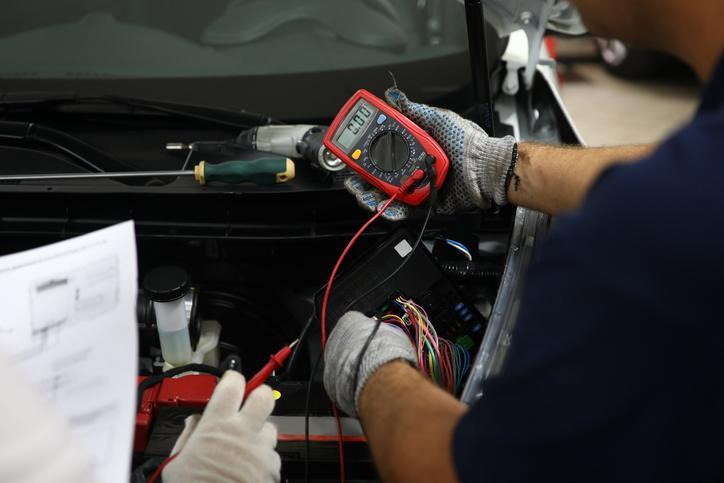
Technicians verify that the relay is receiving power, ground, and the proper control signal before concluding that it has failed.
A typical diagnostic routine includes:
- Inspecting the relay and fuse.
- Measuring battery voltage at the relay.
- Confirming proper ground.
- Checking relay operation with a multimeter or test light.
- Swapping with an identical relay when appropriate.
- Performing a fuel pressure test to verify fuel delivery.
As students in the Automotive Service Technician Foundation program at ATC Surrey learn, these electrical tests help determine whether the relay is actually preventing the pump from operating or whether another fault exists elsewhere in the circuit.

Can a Fuel-Pump Relay Cause an Intermittent No-Start?
Yes. Internal relay contacts can become worn or develop excessive resistance, causing the fuel pump to work inconsistently. A vehicle may start normally one day and refuse to start the next. Heat, vibration, or changing electrical loads can temporarily affect a failing relay, making diagnosis more challenging.
Technicians also review diagnostic trouble codes, scan live data, and interview the customer about when the problem occurs. Understanding whether the engine fails during cold starts, after driving, or only occasionally provides valuable clues that guide further testing.
How Can You Tell a Bad Relay from a Failed Fuel Pump?
The only reliable method is systematic testing. If the relay delivers proper voltage to the pump but no fuel pressure develops, technicians investigate possible fuel pump failure or internal pump problems. NAPA Canada’s guide to fuel pump replacement reinforces why technicians must confirm whether the fault is in the pump, relay, wiring, or fuel-delivery system before recommending replacement. NAPA Canada’s guide to fuel pump replacement reinforces why technicians must confirm whether the fault is in the pump, relay, wiring, or fuel-delivery system before recommending replacement. If voltage never reaches the pump, attention shifts toward the relay, fuse, wiring, connectors, or control circuit.
Listening for fuel pump noise when the ignition is switched on can provide useful information, but it is not a definitive test. Some failing pumps still make noise without producing adequate pressure, while a silent pump may simply not be receiving electrical power.
This is why technicians combine electrical testing with pressure testing instead of replacing parts based on assumptions.

Why Electrical Diagnosis Matters in Modern Vehicles
Why electrical diagnosis matters in modern vehicles is an important lesson for future technicians. Today’s vehicles rely on integrated electrical systems where multiple components work together to control fuel delivery.
Learning to interpret wiring diagrams, test circuits safely, and verify voltage allows technicians to identify the real fault quickly.
Would you like to explore training opportunities at our auto mechanic school in Surrey?
Contact us for more information.
Key Takeaways
- Fuel pump relay symptoms often resemble fuel pump failures.
- Technicians inspect relays, fuses, wiring, and voltage before replacing components.
- A fuel pressure test helps confirm whether fuel is reaching the engine.
- Diagnostic trouble codes and customer information help narrow the diagnosis.
- Hands-on automotive training teaches future technicians to solve electrical problems through testing rather than guesswork.
FAQ
What are the symptoms of a bad fuel-pump relay?
Common symptoms include a crank-no-start condition, intermittent starting problems, engine stalling, and the fuel pump failing to prime when the ignition is turned on.
How do technicians test a fuel-pump relay?
They inspect the fuse, verify power and ground, test relay operation with electrical tools, and confirm fuel pressure before diagnosing the relay as faulty.
Can a fuel-pump relay cause an intermittent no-start?
Yes. Worn relay contacts or intermittent electrical faults can occasionally prevent the fuel pump from operating properly.
How can you tell a bad relay from a failed fuel pump?
Technicians compare electrical test results with fuel pressure readings to determine whether the problem lies in the relay, wiring, or the pump itself.