
Freezing Rain and Weather Seals: Water Ingress, Wind Noise, and Frozen-Door Complaints
How Technicians Diagnose Frozen Door Seals, Leaks and Wind Noise
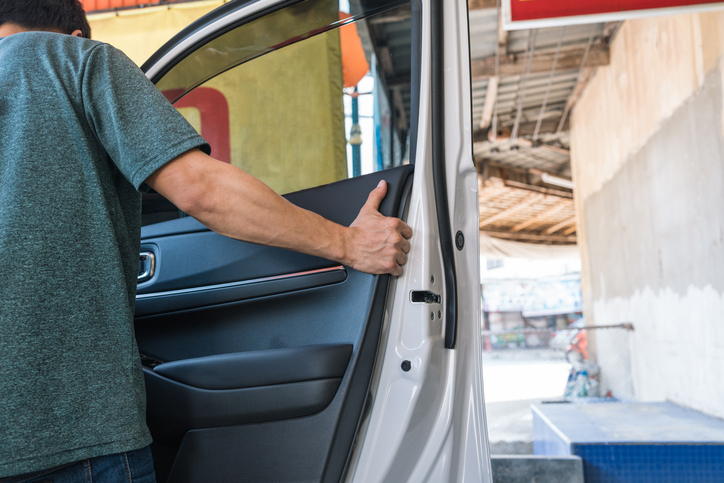
Car door weather stripping forms a flexible barrier between a vehicle’s doors and body, helping prevent water ingress, air leaks, and wind noise. During freezing rain, trapped moisture can turn to ice and cause doors to stick. Technicians diagnose these complaints by examining seal condition, contact surfaces, door alignment, and drainage before recommending cleaning, adjustment, or replacement.
A car door that refuses to open after freezing rain can turn an ordinary morning into a frustrating experience. Damaged or poorly maintained car door weather stripping may also allow water into the cabin or create a persistent whistle at highway speeds.
These complaints are especially relevant during Surrey’s wet winter months, when rain, moisture, and occasional freezing temperatures can affect vehicle seals. For aspiring automotive technicians, they offer a useful lesson in how small components can influence comfort, safety, and the overall condition of a vehicle.
What Does Car Door Weather Stripping Do?
Car door weather stripping consists of flexible sealing materials installed around door openings and other contact points.
When the door closes, the seals compress against the vehicle body to create a barrier.
Their main functions include:
- Limiting rainwater and moisture entry.
- Reducing wind noise and unwanted airflow.
- Helping keep dust and road debris outside.
- Supporting cabin comfort and climate control.
- Reducing vibration and rattling around door openings.
Most modern vehicles use shaped rubber or synthetic sealing materials designed to maintain flexibility through changing temperatures.
Over time, however, exposure to sunlight, dirt, repeated compression, and temperature changes can affect their condition.
A seal that becomes torn, displaced, flattened, or hardened may no longer make consistent contact with the door opening.
Why Do Car Door Seals Freeze in Winter?
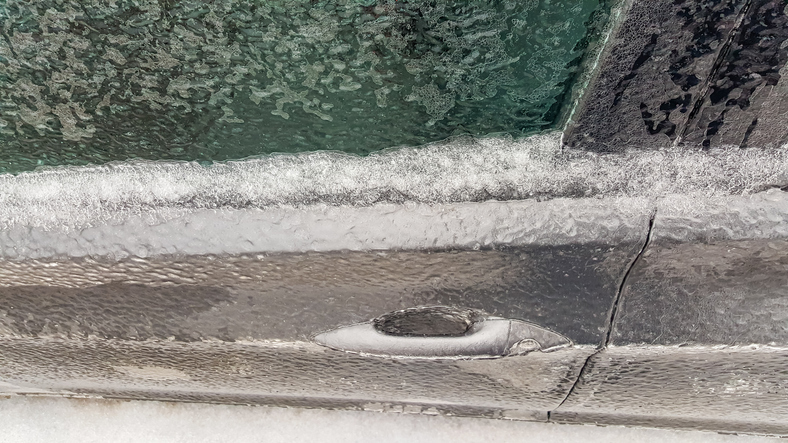
Frozen car door seals usually develop when moisture becomes trapped between the weatherstripping and the vehicle body.
During freezing rain or a wet evening followed by below-zero temperatures, this moisture can turn into ice. The ice may bond the seal to the surrounding metal or painted surface, making the door difficult to open.
Several conditions can increase the likelihood of sticking:
- Water remaining around the door opening after rain or washing.
- Dirt or debris preventing proper seal contact.
- Damaged weatherstripping that traps moisture.
- Poorly fitted or displaced seals.
- Repeated freeze-thaw cycles.
Pulling forcefully on a frozen door can tear weatherstripping or damage handles and related components.
A safer approach is to remove ice carefully, use an appropriate vehicle-safe de-icing method, and avoid excessive force.
How Do You Stop Car Door Seals From Freezing?
Preventing freezing begins with keeping seals clean and in good condition.
Drivers can reduce the risk by:
- Cleaning the seals: Remove dirt, road grime, and debris using a suitable cleaner.
- Drying contact surfaces: Wipe away moisture after washing or when conditions permit.
- Inspecting for damage: Look for tears, loose sections, and flattened areas.
- Using an approved seal treatment: Apply a product compatible with the vehicle’s sealing materials, following manufacturer guidance.
- Checking door closure: Ensure the door closes properly without unusual resistance.
Not every lubricant or household product is suitable for automotive rubber. Petroleum-based products and incompatible chemicals may damage certain seal materials.
Technicians should follow vehicle manufacturer recommendations when selecting cleaning and conditioning products.
What Causes Wind Noise Around Car Doors?
A whistling or rushing sound near a vehicle door often suggests that outside air is passing through a gap. Weatherstripping is one possible cause, but it is not the only one.
Other potential sources include:
- A seal that has lost its shape or compression.
- Door misalignment.
- Damaged window channel seals.
- Loose exterior trim.
- Mirror housings or other aerodynamic components.
Wind noise may become more noticeable at highway speeds because air pressure and airflow around the vehicle increase.
A technician should first identify where the sound originates. Replacing a door seal without checking alignment or nearby components may fail to resolve the complaint.
Can Damaged Weatherstripping Cause Water Leaks?
Yes. A car door seal leaking can allow rainwater to reach areas that should remain dry. Possible symptoms include damp carpeting, moisture near door openings, musty odours, or visible water trails after rainfall.
However, water inside a door does not always indicate a defective seal. Many vehicle doors are designed to allow some rainwater to pass into the internal door cavity before draining through openings at the bottom.
Problems arise when drainage paths become blocked, internal water barriers fail, or water enters the passenger compartment through an unintended route. Technicians must distinguish between normal drainage and an actual cabin leak.
How Do Technicians Inspect Car Door Seals?
A systematic inspection helps determine whether the problem involves the seal, door fitment, or drainage.
| Inspection area | What technicians look for |
| Weatherstripping | Tears, hardening, flattening, loose sections, or missing material |
| Contact surfaces | Dirt, ice, corrosion, or signs of uneven contact |
| Door alignment | Uneven gaps, sagging, or improper closure |
| Drainage openings | Blockages that prevent water from escaping |
| Interior trim and carpeting | Dampness, staining, or evidence of water entry |
| Window channels | Damaged seals or gaps around the glass |
Technicians may use controlled water testing to help locate a leak, following appropriate workshop procedures. The goal is to trace the water’s actual entry path rather than assume the most visible seal is responsible.
When Is Car Door Weatherstrip Replacement Necessary?
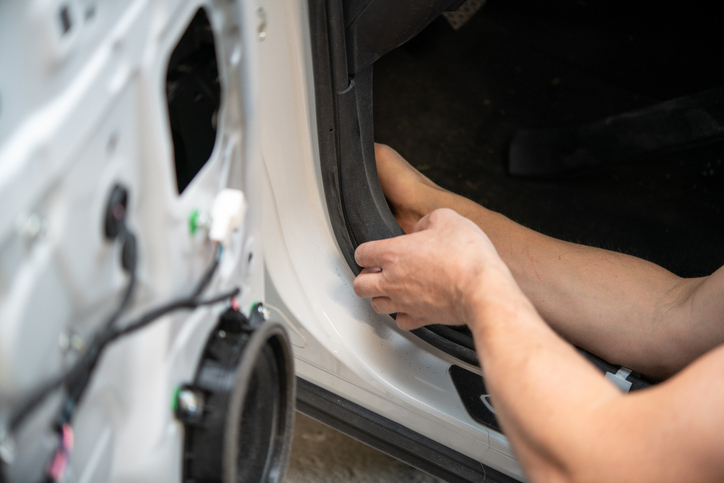
Car door weatherstrip replacement may be appropriate when a seal is torn, permanently compressed, missing sections, or otherwise unable to provide proper contact.
Minor issues may sometimes be resolved through cleaning or correcting a displaced seal. If replacement is necessary, technicians should select the correct part and follow manufacturer installation instructions.
Improperly fitted weatherstripping can create new problems, including door-closing resistance, wind noise, and water leaks.
A technician should also verify the repair afterward. For example, if the original complaint involved rainwater entering the cabin, the repaired area should be checked under suitable conditions to confirm that the leak has been resolved.
What Can Future Automotive Technicians Learn From Weather Seal Complaints?
Weatherstripping problems demonstrate the importance of looking beyond the most obvious symptom. A frozen door may involve moisture management. Wind noise may involve alignment. A wet carpet may indicate a blocked drain or damaged internal water barrier rather than an exterior seal.
These complaints require careful observation, knowledge of vehicle construction, and a logical diagnostic process. In our Automotive Service Technician Foundation program, students build diagnostic and repair skills through classroom instruction and hands-on shop training. See our Automotive Service Technician Foundation program overview for more about the shop experience and the types of vehicles students learn to service.
Students who want to build on their automotive training can also explore our hybrid technology training course. This separate 16-hour course introduces hybrid drive systems and covers how hybrid vehicles operate and how technicians service them.
Explore Automotive Training at ATC Surrey
A damaged door seal may seem minor compared with an engine or transmission problem, but effective automotive service depends on understanding the entire vehicle.
From identifying water leaks to checking alignment and drainage, technicians need practical knowledge and a methodical approach. Visit our auto mechanic school in Surrey to learn more about automotive training opportunities and the skills involved in diagnosing vehicle concerns.
Would you like to explore automotive training opportunities at our auto mechanic school in Surrey?
Contact ATC Surrey for more information.
Key Takeaways
- Car door weather stripping helps limit water entry, wind noise, dust, and unwanted airflow.
- Frozen car door seals often result from moisture freezing between the seal and its contact surface.
- Cleaning, drying, and using manufacturer-approved seal treatments may help prevent sticking.
- Wind noise can result from damaged seals, door misalignment, window channels, or exterior trim.
- Water inside a door cavity can be normal, provided it drains through the intended openings.
- Technicians should inspect weatherstripping, alignment, drainage, and interior moisture before recommending repairs.
- Car door weatherstrip replacement is appropriate when damage prevents the seal from functioning correctly.
- Successful diagnosis involves identifying the underlying cause and verifying that the repair resolves the complaint.
FAQ
How do you stop car door seals from freezing?
Keep door seals clean, remove trapped moisture when possible, and inspect them for damage. A manufacturer-approved rubber seal treatment may help reduce sticking. Avoid forcing a frozen door open, as this can tear weatherstripping or damage the handle.
What causes wind noise around car doors?
Wind noise may result from damaged or compressed weatherstripping, door misalignment, worn window channel seals, or loose exterior trim. Technicians inspect the surrounding components to identify the source before recommending repairs.
Can damaged weatherstripping let water into a vehicle?
Yes. Torn, displaced, or flattened weatherstripping can allow water to enter the passenger cabin. However, blocked door drains or damaged internal water barriers can cause similar symptoms, so technicians should trace the leak before replacing parts.
How do technicians inspect car door seals?
Technicians examine the weatherstripping for damage, check contact surfaces and door alignment, inspect drainage openings, and look for signs of moisture inside the vehicle. Controlled water testing may help confirm the source of a leak.


