Fall Lighting Checks: Headlights, Brake Lights, and DRLs as Days Get Shorter
In Brief: Daytime Running Lights and Fall Vehicle Lighting Checks
- A fall lighting check should cover headlights, tail lights, brake lights, turn signals, hazard lights, licence-plate lighting, and daytime running lights.
- DRLs improve daytime visibility but are not a substitute for headlights and other required lighting at night.
- Technicians look beyond a burned-out bulb to check lenses, connectors, circuits, mounting, and related controls.
- Headlight alignment matters because a functioning headlamp can still perform poorly if its aim is incorrect.
- Fall is a practical time to find lighting problems before drivers spend more time travelling after dark.
As summer gives way to fall in Toronto, one change becomes obvious during the evening commute: darkness arrives earlier. That makes exterior lighting a particularly useful item to revisit during seasonal vehicle maintenance.
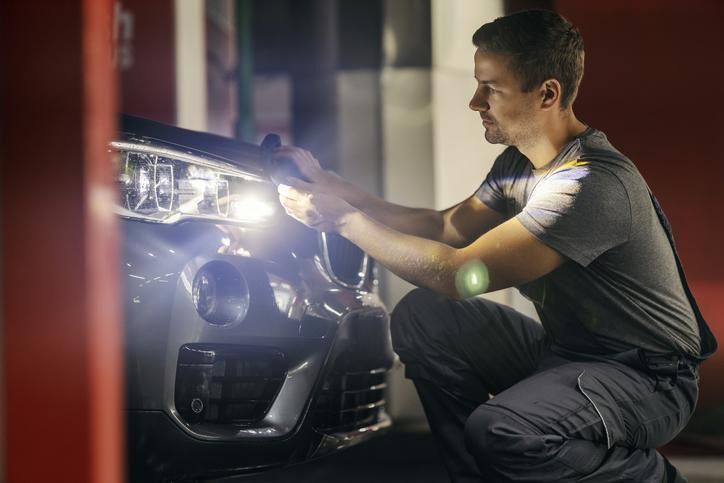
For technicians, however, a vehicle light inspection involves much more than walking around a car and looking for a burned-out bulb. Headlamp aim, electrical circuits, switches, lenses, connectors, and automatic lighting functions can all affect whether a vehicle is properly seen, and whether its driver can see the road ahead.
For students in automotive training, fall lighting checks provide a practical example of how electrical knowledge and systematic diagnosis come together in everyday service work.
What Vehicle Lights Should Be Checked Before Fall Driving?
Headlights, tail lights, brake lights, turn signals, hazard lights, licence-plate lights, and daytime running lights should all be checked for correct operation.
A useful fall car maintenance checklist should look at both whether a lamp illuminates and how well the overall system works. Ontario’s vehicle inspection requirements, for example, address whether lighting circuits operate correctly, lenses are properly installed, lamps are securely mounted, and turn signals function properly.
A technician may also look for:
- Cracked, cloudy, damaged, or moisture-filled lamp assemblies
- Corroded sockets or electrical connectors
- Unequal brightness between paired lamps
- Intermittent operation
- Wiring or ground problems
- Incorrectly aimed headlights
These details help students at our auto mechanic school understand why “the light comes on” is only the beginning of an inspection.
How do you check whether brake lights are working?
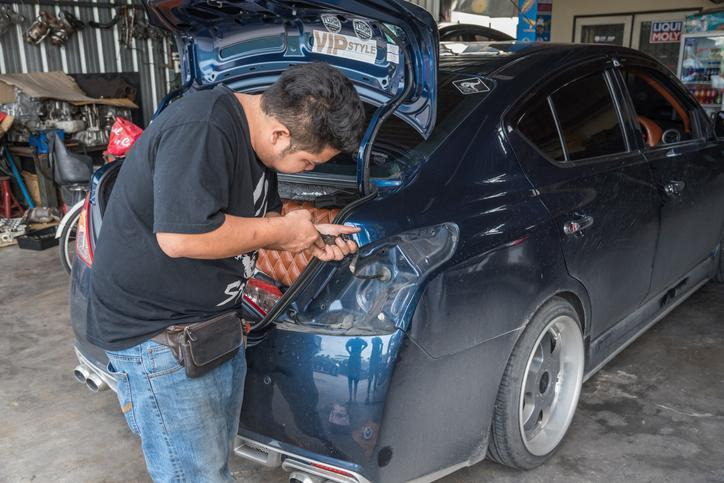
Apply the brake pedal and confirm that the appropriate rear stop lamps illuminate clearly and consistently. A basic brake light inspection can be completed with a second person observing the rear of the vehicle, or with suitable shop equipment or another safe method of observing lamp operation.
When a brake light fails, replacing the bulb should not automatically be the first and last diagnostic step. Depending on the vehicle and symptoms, a technician may need to investigate the bulb or LED assembly, socket, fuse, wiring, ground, brake-pedal switch, connector, or electronic control involved.
The pattern of failure can provide useful clues. One failed lamp may suggest a localized issue, while several stop lamps failing together can direct diagnosis toward a shared part of the circuit.
Why are daytime running lights different from headlights?
Daytime running lights are intended primarily to make a vehicle more visible during daylight, while headlights illuminate the roadway for driving in darkness and poor visibility.
Transport Canada cautions that DRLs do not provide enough light for driving safely in darkness or bad weather. Depending on the vehicle, having the DRLs illuminated also does not necessarily mean the full rear lighting system is operating.
This distinction matters when diagnosing modern vehicles. Since September 2021, new vehicles sold in Canada must use one of several approaches intended to reduce “phantom vehicles,” including automatically activating tail lights with DRLs, automatically switching the full lighting system on in darkness, or keeping the dashboard dark until the driver switches on the lights.
Technicians therefore need to understand how the particular vehicle is designed to operate rather than assuming every automatic lighting system behaves identically.
How often should headlights and exterior lights be inspected?
Drivers should check exterior lighting regularly and whenever they notice reduced visibility, a warning indicator, physical lamp damage, or abnormal operation. Seasonal maintenance provides another useful opportunity. As fall brings longer periods of darkness, technicians can identify problems that may have been less noticeable during bright summer driving.
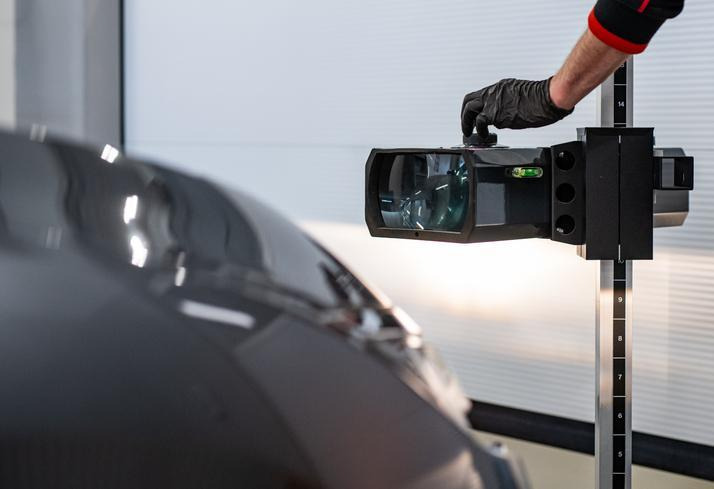
A complete check can also include headlight alignment. Ontario’s inspection requirements specifically include headlamp aim. A lamp may illuminate normally yet still direct its beam incorrectly because of adjustment problems, suspension changes, collision damage, or other conditions affecting vehicle attitude.
Learning to recognize these details is part of developing the systematic approach needed in auto careers. Instead of simply asking whether a light works, future technicians learn to ask whether the entire system is operating as designed.
Are you looking for comprehensive automotive training?
Contact ATC Toronto for more information.
Key Takeaways
- Fall is a practical time for a complete exterior lighting check as daylight hours decrease.
- Daytime running lights improve daytime conspicuity but do not replace proper nighttime lighting.
- A brake light inspection should confirm operation and investigate the circuit when faults are found.
- Lamp condition, mounting, wiring, connectors, and switches can matter as much as the light source itself.
- Correct headlight alignment is an important part of lighting performance and inspection.
FAQ
What vehicle lights should be checked before fall driving?
Check headlights, tail lights, brake lights, turn signals, hazard lights, licence-plate lights, and daytime running lights, along with the condition of their lenses and assemblies.
How do you check whether brake lights are working?
Apply the brake pedal and safely observe whether the appropriate rear brake lights illuminate clearly and consistently. If they do not, further electrical diagnosis may be required.
Why are daytime running lights different from headlights?
Daytime running lights are designed primarily to make a vehicle more visible during daylight. Headlights are designed to illuminate the roadway and should be used with the vehicle’s proper nighttime lighting system in darkness or poor weather.
How often should headlights and exterior lights be inspected?
Exterior lights should be checked regularly and whenever a fault is suspected. Seasonal maintenance, particularly before the shorter days of fall and winter, is also a useful opportunity for a complete lighting check.