
EVAP Leak Detection Pumps: How Techs Diagnose Small-Leak Codes
In Brief: EVAP Leak Detection Pump: Codes and Diagnosis Basics
- The EVAP system keeps fuel vapours from escaping directly into the atmosphere.
- Some vehicles use a leak detection pump to help check the system for leaks.
- P0456 generally indicates that the vehicle detected a very small EVAP leak.
- The code does not prove the leak detection pump itself has failed.
A check engine light appears, and the scan tool shows P0456. The vehicle may still seem to drive normally, but its onboard diagnostics have detected a very small leak somewhere in the evaporative emissions system.
Finding that leak is where the real diagnostic work begins.
On vehicles equipped with one, the EVAP leak detection pump helps the vehicle check whether the system can hold the required pressure or vacuum. But a failed pump is only one possible cause of an EVAP fault. A loose seal, cracked hose, leaking valve, or another small opening can produce similar results.
Learning to separate a trouble code from its actual cause is an important diagnostic skill in modern automotive repair.
What Does an EVAP Leak Detection Pump Do?
It helps the vehicle test the EVAP system for leaks. The EVAP system captures fuel vapours instead of allowing them to escape directly into the atmosphere. Because the system needs to remain sealed during certain operating conditions, the vehicle must also be able to check whether vapour is escaping.
Some vehicle designs use a pump to create pressure or vacuum for this test. The computer then monitors how the system responds. If it cannot maintain the expected conditions, it can recognize an EVAP system leak and store a diagnostic trouble code.
Not every vehicle tests its EVAP system in exactly the same way, so technicians follow service information for the specific make, model, and system.
Understanding how these systems operate before testing them is one of the foundations developed through automotive training.
What Does an EVAP Small-Leak Code Mean?
It means the vehicle detected that the EVAP system was not sealing as expected during its self-test. The P0456 code is commonly described as an EVAP very-small-leak fault. In systems that use a leak detection pump, the computer can evaluate changes in system pressure or vacuum to determine whether a leak is present.
The important word is system. A P0456 code does not mean “replace the leak detection pump.” The leak could be associated with a fuel-cap seal, hose, connection, purge or vent valve, canister, pump, or another part of the sealed EVAP system.
That distinction matters because successful diagnosis means finding the source of the leak rather than simply replacing the component whose name seems closest to the code.

What Are the Symptoms of a Bad Leak Detection Pump?
A check engine light and stored EVAP-related codes may be the most noticeable clues.
Unlike a problem that directly affects ignition or fuel delivery, an EVAP fault may produce few obvious changes in how the vehicle drives. The diagnostic system may detect the problem before the driver notices anything else.
Possible leak detection pump symptoms can include:
- A check engine light
- EVAP leak or pump-related trouble codes
- An EVAP monitor that cannot complete successfully
- Failed pump operation during an active diagnostic test, where supported
These clues still need testing. An electrical fault, damaged wiring, a blocked line, a leaking valve, or an actual system leak can sometimes affect the test results.
That is why an auto mechanic school needs to teach more than code definitions. Future technicians also need to understand the systems behind those codes.
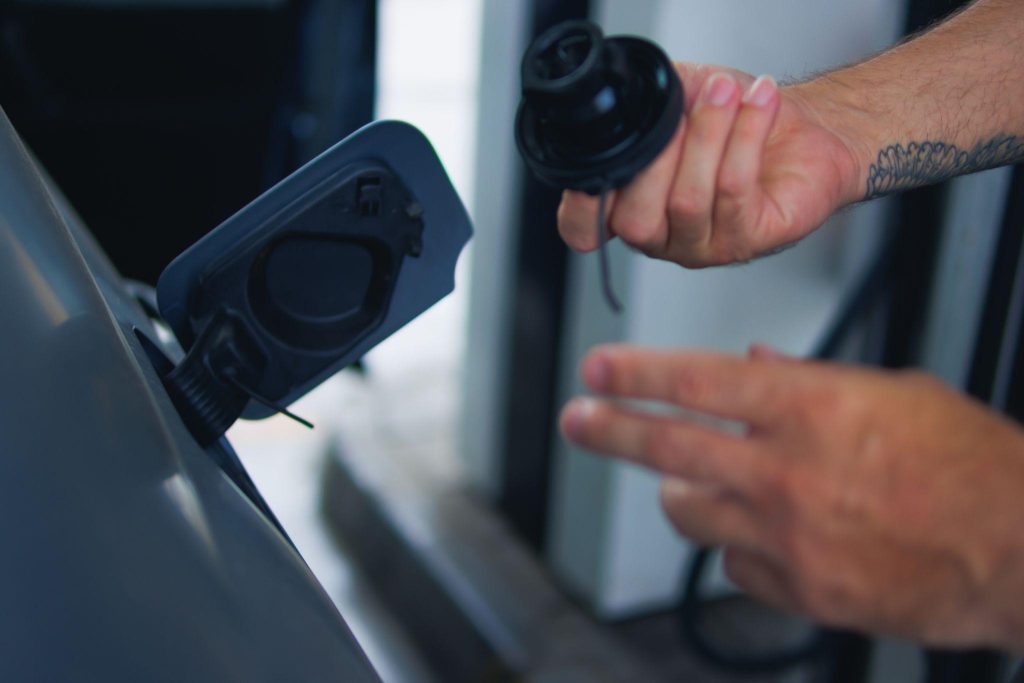
How Do Technicians Test a Leak Detection Pump?
The exact procedure depends on the vehicle, but diagnosis can involve scan-tool commands, electrical checks, system-pressure information, physical inspection, and leak testing.
A technician may first check the stored codes and related scan data. If the scan tool and vehicle support active testing, the pump or EVAP valves may be commanded on to see whether they respond correctly.
The inspection can then expand to the rest of the system. Technicians may check:
- Hoses and connections for damage
- Electrical connectors and wiring
- Fuel cap and other sealing points
- Purge and vent valve operation
- Pump operation
- EVAP pressure or vacuum readings
If the system still appears to be leaking, an EVAP smoke test can help locate a small opening. Smoke is introduced using the appropriate EVAP testing procedure, making leaks easier to see when they would otherwise be difficult to find.
These step-by-step diagnostic habits are valuable for students considering auto careers, because modern troubleshooting increasingly means using several pieces of evidence together.
Would you like to explore training opportunities at our auto mechanic school?
Contact ATC Toronto for more information.
Key Takeaways
- An EVAP leak detection pump helps certain vehicle systems check for vapour leaks.
- P0456 points to a very small EVAP leak; it does not identify the failed component.
- A vehicle with an EVAP fault may show few noticeable driving symptoms beyond the check engine light.
- Diagnosis can include scan data, active tests, wiring and hose inspections, valve checks, and smoke testing.
- Technicians confirm the cause before deciding which component needs repair or replacement.
FAQ
What Does an EVAP Leak Detection Pump Do?
It helps certain EVAP systems create the conditions needed to check whether fuel vapours can escape through a leak.
What Are the Symptoms of a Bad Leak Detection Pump?
Possible signs include a check engine light, EVAP-related fault codes, an incomplete EVAP monitor, or a pump that fails an appropriate active or electrical test.
What Does an EVAP Small Leak Code Mean?
An EVAP small leak code means the vehicle detected that the EVAP system could not maintain the expected seal during testing. It does not identify the exact location of the leak.
How Do Technicians Test a Leak Detection Pump?
Testing can include reading diagnostic codes, commanding components with a scan tool, checking electrical circuits and system pressure or vacuum, inspecting hoses and valves, and performing a smoke test when appropriate.