EV Motor Basics: How Electric Motors Work (and What Techs Inspect)
TL;DR
An EV motor converts electrical energy into motion using high-voltage systems and precise control components. While generally reliable, technicians still inspect motor performance, electrical inputs, and related systems to diagnose issues and maintain safe operation.
Electric vehicles are often described as simpler than traditional vehicles, but the systems that power them are anything but basic. At the centre of every EV is the EV motor, a highly efficient component responsible for converting electrical energy into movement.
While these motors have fewer moving parts than internal combustion engines, they still require careful monitoring and maintenance. Issues related to power delivery, electrical control, or supporting systems can affect performance and drivability.
For students entering EV technician training, understanding how an EV motor works is a foundational step toward diagnosing modern vehicle systems safely and accurately.
How an EV Motor Works
An EV motor uses electromagnetic principles to generate motion. Electrical current flows through coils, creating magnetic fields that interact to produce rotational force. This rotation drives the wheels either directly or through a reduction gear system.
Unlike traditional engines, EV motors deliver instant torque and operate with high efficiency. They are controlled by electronic systems that regulate power flow based on driver input and system conditions.
This integration between electrical and mechanical systems is what makes EV technology both efficient and complex.
Main Components of an EV Motor System
What are the main parts of an EV motor system? An EV motor system includes several key components working together. The motor itself generates movement, while power electronics, such as inverters, control how energy is delivered.
The system also includes sensors, wiring, and cooling components that maintain performance and protect against overheating. These elements ensure the motor operates within safe and efficient limits.
At ATC auto mechanic school in Surrey, we emphasize exploring how these parts interact, as it is essential for effective diagnostics and electric car maintenance.
Common Symptoms of Motor or Drivetrain Issues
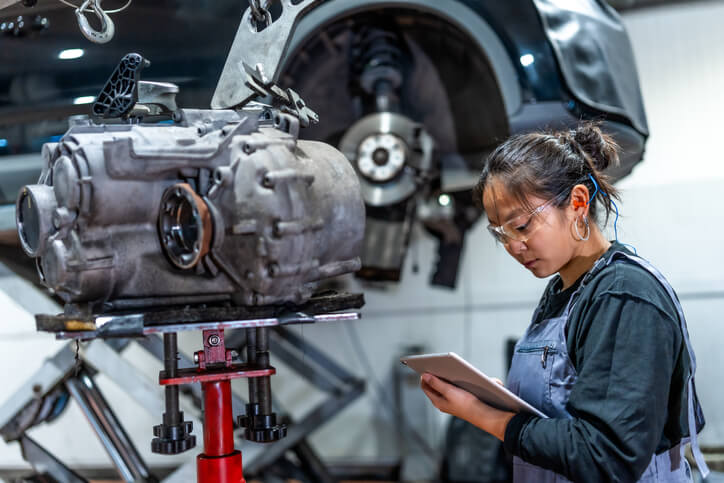
What symptoms can indicate a motor or drivetrain issue? Although EV motors are generally reliable, problems can still occur. Drivers may notice unusual noises, reduced power, or inconsistent acceleration. Warning messages related to the drivetrain may also appear.
In some cases, issues may not originate in the motor itself but in supporting systems such as sensors or power electronics. This is why technicians evaluate the entire system rather than focusing on a single component.
Recognizing these symptoms early helps prevent more serious problems and supports effective EV maintenance.
Why EV Diagnostics Require Electrical Knowledge
Why do EV motor diagnostics require strong electrical fundamentals? Diagnosing an EV motor involves more than mechanical inspection. Because the system relies on high-voltage electricity, technicians must understand how electrical circuits, sensors, and control modules interact.
This is where high-voltage safety becomes critical. Technicians must follow strict procedures to isolate systems and prevent electrical hazards before performing any work.
A strong foundation in electrical principles allows technicians to interpret data accurately and identify issues without unnecessary guesswork.
What Technicians Inspect First
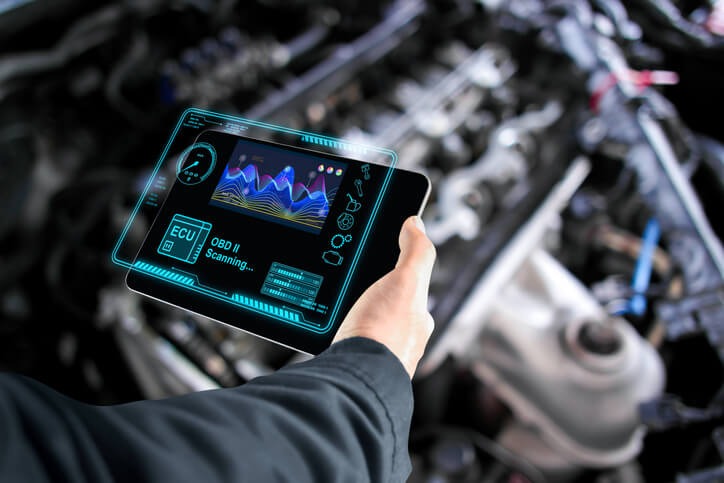
When diagnosing an EV motor, technicians typically begin by reviewing system data and checking for fault codes. They then inspect related components, including wiring, connectors, and cooling systems.
Rather than assuming the motor is faulty, they confirm whether the issue is related to power delivery, control systems, or environmental factors. This structured approach reflects the broader shift toward data-driven diagnostics in modern vehicles. If you’re training as an electric vehicle technician, developing this mindset during the hybrid technology training course is essential.
Is EV Motor Training Included in Automotive Programs?
Do hybrid and electric programs teach EV propulsion basics? Yes. Programs such as ATC’s Hybrid technology training course introduce students to EV propulsion systems, including how an EV motor operates and how it is diagnosed.
Students learn about system components, electrical safety, and diagnostic procedures in hands-on environments. This prepares them for real-world scenarios where multiple systems must be evaluated together.
Are you looking for comprehensive hybrid and electrical mechanic training?
Contact ATC Surrey for more information.
Key Takeaways
- An EV motor converts electrical energy into mechanical motion
- EV systems rely on integrated electrical and mechanical components
- Symptoms of issues may include reduced power, noise, or warning messages
- Diagnostics require a strong understanding of electrical systems and high-voltage safety
- Training programs introduce the fundamentals needed for EV diagnostics
FAQ
What are the main parts of an EV motor system?
The system includes the motor, power electronics, sensors, and cooling components.
What symptoms can indicate a motor or drivetrain issue?
Reduced power, unusual noises, and warning messages are common signs.
Why do EV motor diagnostics require strong electrical fundamentals?
Because the system relies on high-voltage electrical components and integrated controls.
Do hybrid and electric programs teach EV propulsion basics?
Yes, these topics are included in modern automotive training programs.