EV Mechanics and Electrical Diagnosis: Why Wiring Skills Matter
TL;DR
The modern auto electrician needs far more than basic wiring knowledge. Electric vehicles, hybrids, and advanced driver-assistance systems rely on complex electrical networks, sensors, modules, and communication systems. For future technicians, understanding electrical diagnosis, wiring diagrams, and safe troubleshooting practices is becoming just as important as traditional mechanical repair skills.
Modern vehicles are packed with technology. From electric drivetrains and battery management systems to sensors, modules, and digital communication networks, many vehicle problems now require electrical diagnosis rather than purely mechanical repairs.
As a result, the role of the auto electrician continues to evolve. Students entering the automotive industry must develop strong electrical troubleshooting skills to work confidently on modern vehicles, especially hybrids and EVs.
Why Are Electrical Skills Important for EV Mechanics?
Electrical skills are essential because electric and hybrid vehicles rely heavily on high-voltage systems, electronic controls, sensors, and computer modules.
Unlike traditional vehicles, EVs use electrical energy as the primary source of propulsion. Many once mechanical functions are now electronically controlled. This means technicians must understand circuits, voltage testing, wiring diagrams, and module communication.
Students at our auto mechanic school in Surrey quickly discover that modern diagnostics often involve laptops, scan tools, and electrical testing equipment alongside traditional hand tools.
What Electrical Problems Do Technicians Diagnose in Modern Cars?
Technicians diagnose issues involving sensors, control modules, communication networks, charging systems, wiring faults, and electronic components.
For example, warning indicators such as an electronic throttle light may point to problems involving throttle control systems, sensors, wiring connections, or module communication. Other common electrical concerns may include battery management faults, charging issues, malfunctioning sensors, and communication errors between vehicle modules.
Many of these systems directly affect vehicle performance, safety features, and the powertrain itself. Identifying the root cause often requires systematic testing and careful analysis rather than simple parts replacement.
Do EV Mechanics Need Wiring and Module Knowledge?
Yes. Understanding wiring systems and electronic modules is fundamental to diagnosing modern vehicles.
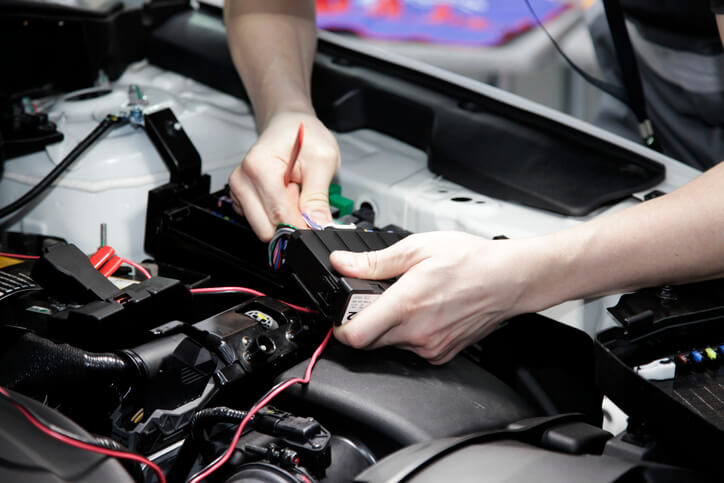
Many modern vehicles contain dozens of electronic control modules responsible for managing everything from braking and steering to climate control and battery operation. A loose connection, damaged wire, or failed module can create symptoms that affect multiple systems.
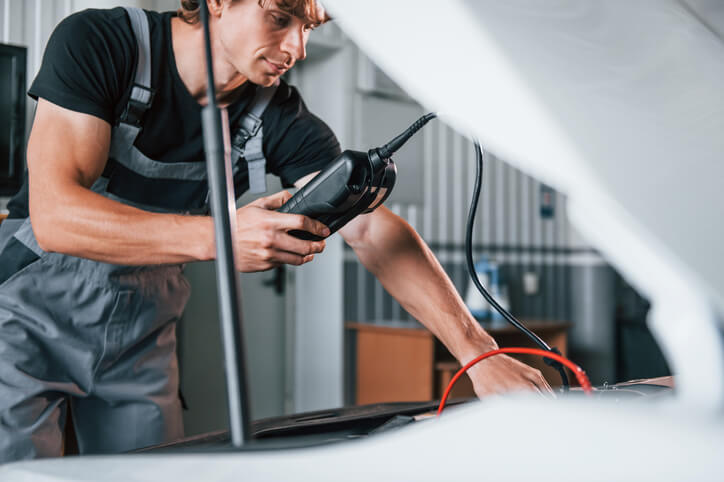
An automotive electrician must know how to read wiring diagrams, interpret scan tool data, and verify electrical signals. These skills allow technicians to locate faults efficiently and avoid unnecessary repairs.
Students enrolled in our hybrid technology training course spend significant time learning how electrical systems interact with vehicle operation and diagnostics.
How Does Mechanic Training Build Auto Electrician Troubleshooting Skills?
How does mechanic training build electrical troubleshooting skills? Mechanic training combines theory, hands-on practice, and diagnostic procedures that help students develop confidence working with electrical systems.
Students learn how to:
- Read wiring diagrams
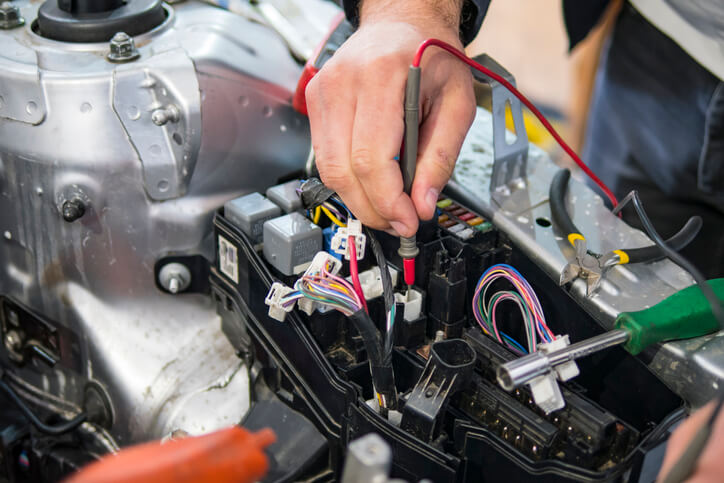
- Use multimeters and diagnostic tools
- Test sensors and circuits
- Interpret fault codes
- Follow safe electrical diagnostic procedures
Equally important is mechanic safety. Working around high-voltage systems requires strict procedures designed to protect both technicians and vehicle components.
For students pursuing a career as a hybrid and electric vehicle mechanic, electrical troubleshooting skills are becoming one of the most valuable assets you can develop.
Why Electrical Diagnosis Will Continue to Grow in Importance
Vehicle technology continues to evolve rapidly. As manufacturers add more electronic systems, advanced driver-assistance features, hybrid drivetrains, and EV technologies, electrical diagnosis becomes increasingly important.
Future technicians who understand wiring, modules, and electronic systems will be well-positioned to succeed in a changing automotive industry. Developing these skills today helps prepare students for the vehicles they will service tomorrow.
Are you looking for a comprehensive Hybrid Technology Training course?
Contact ATC Surrey for more information.
Key Takeaways
- The modern auto electrician works extensively with electronic systems, modules, and vehicle networks.
- Electrical skills are essential for diagnosing hybrid and electric vehicle systems.
- Warning indicators such as an electronic throttle light often require advanced electrical diagnostics.
- Understanding wiring diagrams and modules helps technicians troubleshoot efficiently.
- Mechanic safety is critical when working around high-voltage systems.
- Students training to become hybrid and electric vehicle mechanics benefit from strong electrical troubleshooting skills.
FAQ
Why Are Electrical Skills Important for EV Mechanics?
Electrical skills are essential because electric and hybrid vehicles rely heavily on high-voltage systems, electronic controls, sensors, and computer modules.
What Electrical Problems Do Technicians Diagnose in Modern Cars?
Technicians diagnose issues involving sensors, control modules, communication networks, charging systems, wiring faults, and electronic components.
Do EV Mechanics Need Wiring and Module Knowledge?
Yes. Understanding wiring systems and electronic modules is fundamental to diagnosing modern vehicles.
How Does Mechanic Training Build Electrical Troubleshooting Skills?
Mechanic training combines theory, hands-on practice, and diagnostic procedures that help students develop confidence working with electrical systems.