EV Isolation Faults: What They Mean and Why Technicians Take Them Seriously
TL;DR
EV isolation faults indicate that high-voltage electricity may be leaking from the system where it shouldn’t. These faults can be caused by moisture, damaged wiring, or insulation breakdown. Because they directly affect safety, technicians treat them seriously and rely on structured EV electrical safety diagnosis before making repairs.
As electric vehicles become more advanced, safety systems are becoming more sophisticated as well. One of the most critical warnings a technician can encounter is an isolation fault.
At first glance, it may appear as just another fault code. In reality, EV isolation faults directly affect high-voltage safety and system integrity.
For students entering the industry through automotive training, understanding these faults is essential, not just for diagnostics, but for personal safety.
What Is an Isolation Fault in an EV?
To understand electric vehicle insulation fault warnings, it helps to look at how EV electrical systems are designed. High-voltage systems in EVs are intentionally isolated from the vehicle chassis. This means electricity should only flow within designated circuits and not leak into the vehicle body or unintended components.
An isolation fault occurs when that separation is compromised. In other words, a high voltage isolation issue means that current may be leaking outside its intended path. Even small leaks can trigger warnings because the system is designed to detect changes in insulation resistance.
These faults are not just performance-related; they are safety-related.
Are Isolation Faults Dangerous?
Yes, which is why they are treated with urgency. While not every isolation fault presents an immediate hazard, the potential risk is significant. High-voltage systems in EVs can exceed hundreds of volts, and any unintended current path increases the risk of electrical shock or system damage.
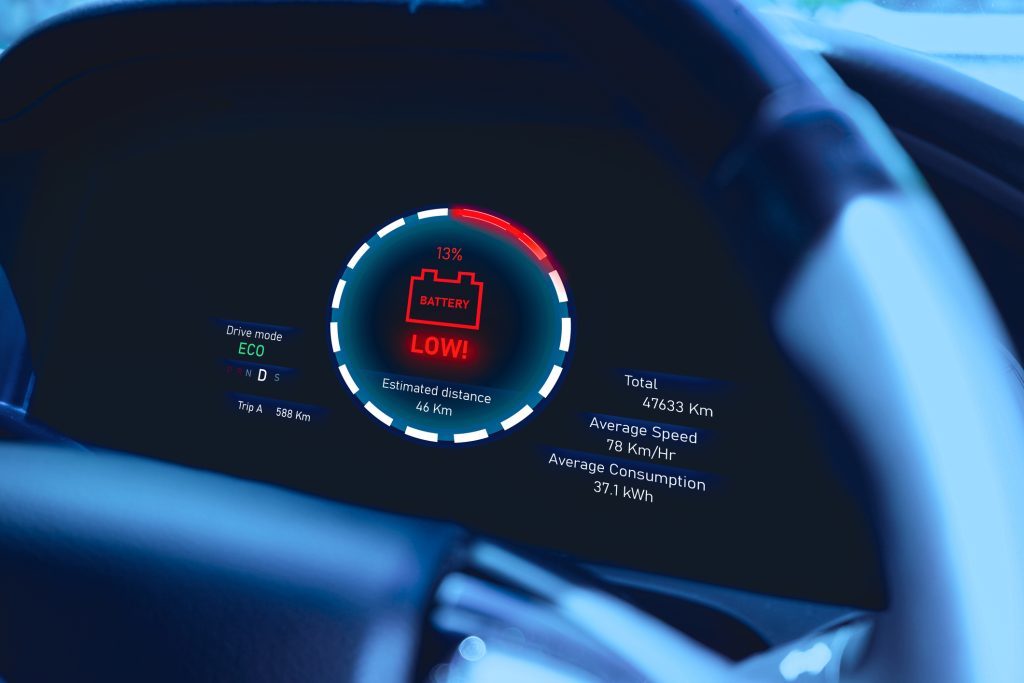
Manufacturers build in safeguards that may limit vehicle operation or disable systems when a fault is detected. This is why drivers may see warning messages or reduced performance.
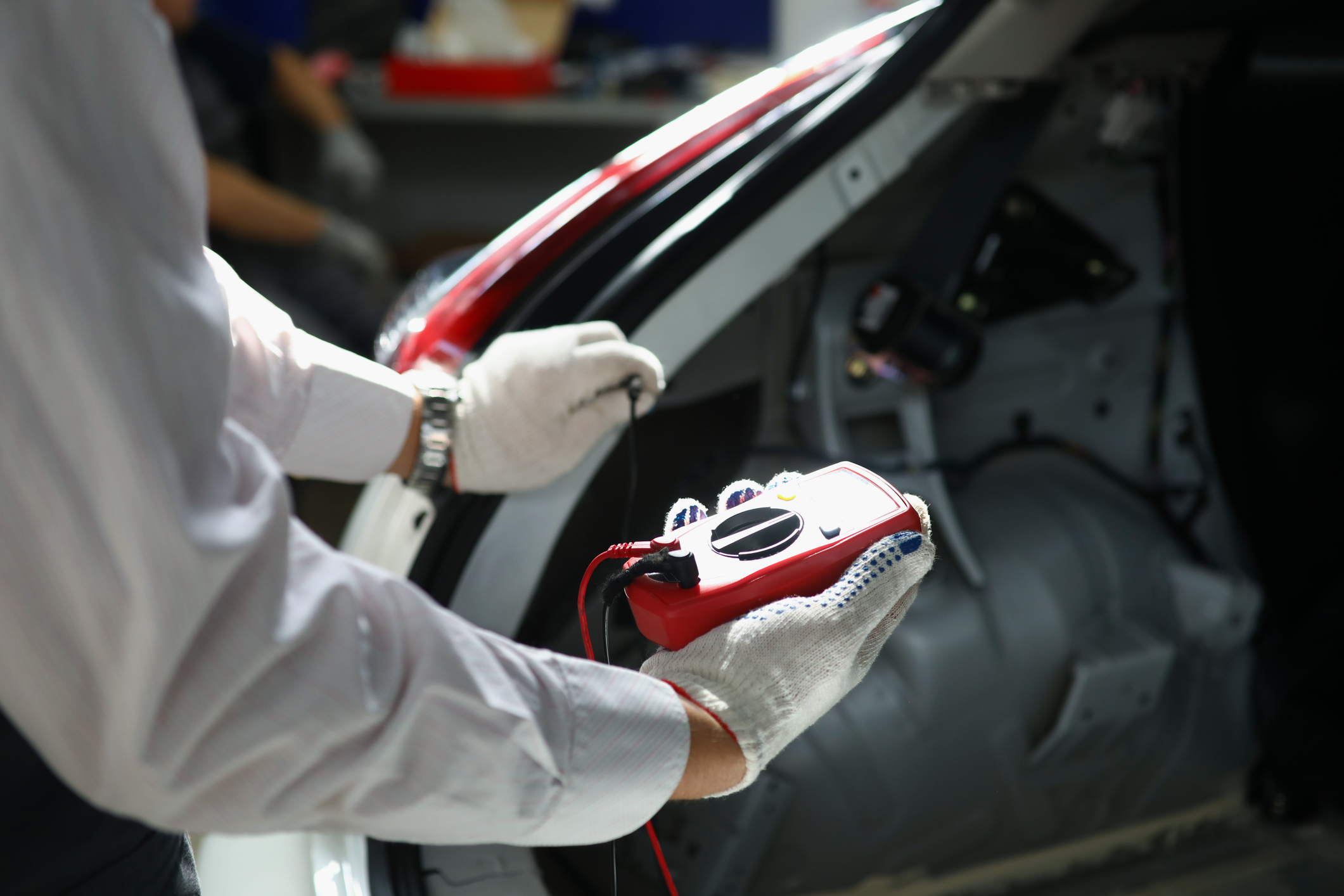
From a technician’s perspective, EV electrical safety diagnosis begins before any testing takes place. Proper procedures, including system shutdown and verification, are critical before interacting with high-voltage components.
What Can Cause an Isolation Fault Warning?
In practice, hybrid EV fault warnings related to isolation often stem from a few common causes, but identifying the exact source requires careful testing.
Moisture is one of the most frequent contributors. Water intrusion into connectors, battery enclosures, or wiring can reduce insulation resistance and trigger a fault. Damaged wiring is another major factor. Over time, vibration, wear, or improper repairs can compromise insulation around high-voltage cables.
Contamination, such as dirt or debris inside connectors, can also create unintended conductive paths. In some cases, internal battery issues or component failures may be responsible. Because the system monitors insulation continuously, even small deviations can set a fault code.
Why Technicians Don’t Replace Parts Right Away
One of the most important aspects of diagnosing EV isolation faults is understanding that the fault does not automatically point to a specific failed component.
Instead, it indicates a condition: loss of insulation integrity somewhere in the system. Technicians must approach this methodically. They begin by verifying the fault using scan data and system readings. From there, they isolate sections of the system to determine where the insulation breakdown is occurring.
This process may involve testing different components individually, checking wiring paths, and inspecting connectors for contamination or damage. Students at our auto mechanic school are trained to avoid guesswork and follow structured diagnostic procedures, especially when dealing with high-voltage systems.
How Do Technicians Diagnose Isolation Faults Safely?
Safety is the first priority in any EV electrical safety diagnosis.
Before testing begins, technicians must:
- Disable the high-voltage system
- Verify zero voltage
- Use appropriate personal protective equipment (PPE)
Once the system is safe, diagnostic work can begin.
Technicians rely on insulation resistance testing tools, scan data, and manufacturer procedures to pinpoint the issue. Because EV systems are complex, diagnosis often involves both electrical testing and physical inspection.
Why Isolation Faults Matter for Future Auto Technicians
As EV adoption increases, technicians will encounter more high-voltage systems and related fault conditions.
Understanding EV isolation faults is not just about fixing vehicles; it is about working safely and thinking systematically.
These faults require:
- \
- Strong diagnostic reasoning
- Attention to detail
- Strict adherence to safety protocols
For those pursuing auto careers, this represents a shift toward more advanced, safety-focused diagnostics.
Why This Topic Is Critical in Modern Automotive Training
Training programs today place a strong emphasis on EV systems and safety. Students preparing for careers in the industry learn how to:
- Interpret high-voltage fault codes
- Perform safe system shutdown procedures
- Diagnose insulation and electrical issues
This knowledge is essential as vehicles continue to evolve and rely more heavily on electrification.
Are you looking for comprehensive automotive training?
Contact ATC Toronto for more information.
Key Takeaways
- EV isolation faults indicate potential leakage in high-voltage systems.
- They are safety-related and must be taken seriously.
- Common causes include moisture, damaged wiring, and contamination.
- Diagnosis requires structured testing, not immediate part replacement.
- Safety procedures are critical when working with high-voltage systems.
FAQ
Q: What is an isolation fault in an EV?
A: An isolation fault occurs when high-voltage electricity leaks outside its intended circuit due to compromised insulation.
Q: Are isolation faults dangerous?
A: Yes. They can pose electrical safety risks and are treated seriously by both the vehicle and technicians.
Q: What can cause an insulation fault warning?
A: Common causes include moisture intrusion, damaged wiring, contamination, and internal component issues.
Q: Do technicians replace parts right away with this kind of fault?
A: No. Technicians perform structured diagnostics to locate the source of the fault before replacing any components.