EV Inverter Explained: What It Does and What Happens When It Fails
TL;DR
The EV inverter converts battery power into usable energy for the motor and plays a key role in charging and propulsion. When it fails, symptoms can include loss of power, warning messages, and overheating, making accurate diagnostics essential.
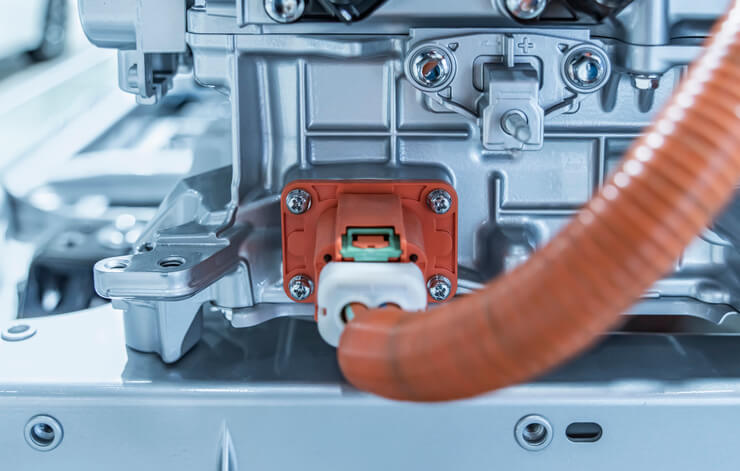
Electric vehicles depend on a network of advanced electrical components working together seamlessly. At the centre of this system is the EV inverter, a critical component responsible for converting energy from the high voltage battery into a form the motor can use.
While EV systems are generally reliable, inverter-related issues can affect both performance and drivability. Because the inverter connects directly to key systems like propulsion and charging, even minor faults can have noticeable effects.
For students exploring automotive school, understanding how an electric vehicle inverter works is essential for diagnosing modern EV systems effectively.
What Does an EV Inverter Do?
What does an EV inverter do in simple terms? The EV inverter converts direct current (DC) from the battery into alternating current (AC) needed to drive the electric motor. It also plays a role in managing energy flow during regenerative braking and charging.
In simple terms, it acts as the translator between the battery and the motor. Without it, the energy stored in the battery could not be used to move the vehicle.
Because of this central role, the inverter is considered one of the most important components in an EV’s powertrain.
Symptoms of Inverter or Power Electronics Issues
What symptoms can point to inverter or power electronics issues? When an EV inverter begins to fail, the symptoms can vary depending on the severity of the issue. Drivers may notice reduced power, hesitation during acceleration, or warning messages related to the electric drivetrain.
In some cases, the vehicle may enter a reduced-power mode to protect the system. Faults may also affect charging performance, as the inverter plays a role in energy conversion during the charging process.
Because these symptoms can overlap with other issues, technicians must confirm the root cause before replacing major components.
Why Coolant Flow Matters for Inverter Reliability
Why is coolant flow important for inverter reliability? The inverter generates heat during operation, which must be managed to maintain performance and prevent damage. This is where systems like the inverter coolant pump and EV coolant come into play.
Proper coolant flow ensures that heat is removed efficiently. If cooling is insufficient, temperatures can rise quickly, affecting both inverter performance and longevity.
This process is part of a broader battery thermal management system, in which multiple components work together to regulate temperature throughout the vehicle.
What Technicians Check Before Replacing an Inverter
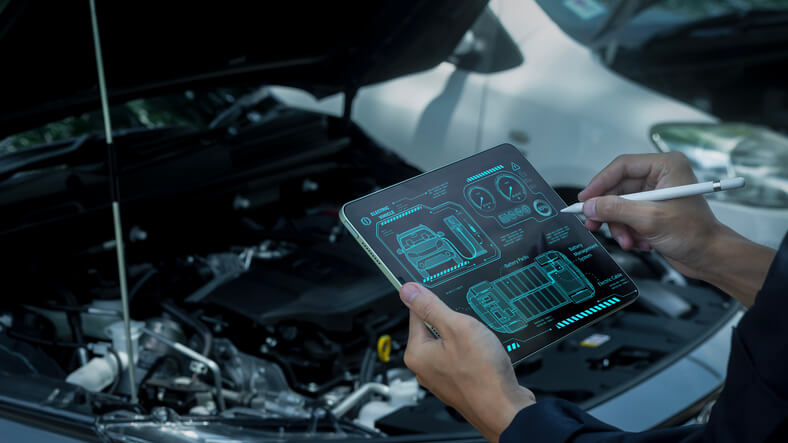
As you’ll discover in automotive school, replacing an EV inverter is a major repair, so technicians follow a structured diagnostic process before making that decision.
They begin by reviewing diagnostic data and checking for related faults. Cooling system performance is also evaluated, including the operation of the inverter coolant pump and overall fluid condition.
In many cases, issues that appear to be inverter-related may actually originate from supporting systems. This is why a complete system check is essential before concluding that the inverter itself has failed.
The Role of the Inverter in the Bigger System
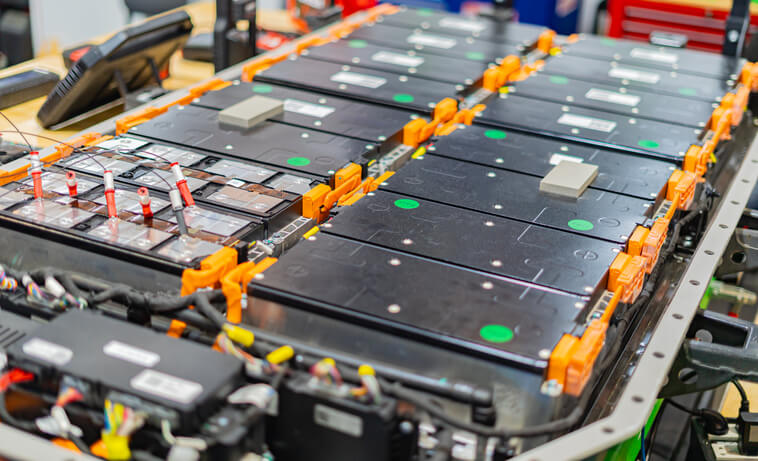
The EV inverter does not operate in isolation. It works closely with the high-voltage battery, motor, and thermal systems to deliver consistent performance.
Any imbalance in this network, whether electrical or thermal, can affect how the inverter functions. Understanding these relationships helps technicians diagnose issues more accurately and avoid unnecessary part replacements.
For those considering auto careers, this highlights the importance of system-level thinking in modern automotive diagnostics.
Is Inverter and Power Electronics Training Included?
Are EV power electronics covered in hybrid and electric training? Yes. Programs focused on hybrid and electric vehicles introduce students to components like the EV inverter, along with related systems such as cooling and battery management.
In our auto mechanic school, students learn how to interpret system data, understand electrical interactions, and follow safe diagnostic procedures. Training in these areas prepares students to work confidently with advanced EV technologies and evolving industry standards.
Are you looking for comprehensive hybrid and electrical mechanic training?
Contact ATC Montreal for more information.
Key Takeaways
- The EV inverter converts battery power into usable energy for the motor
- It plays a key role in both propulsion and charging systems
- Cooling systems, including the inverter coolant pump, are critical for reliability
- Symptoms of failure can include reduced power and warning messages
- Accurate diagnostics are essential before replacing major components
FAQ
What does an EV inverter do in simple terms?
It converts battery power into the form needed to drive the electric motor.
What symptoms can point to inverter or power electronics issues?
Reduced power, warning messages, and charging issues are common signs.
Why is coolant flow important for inverter reliability?
It helps regulate temperature and prevents overheating.
Are EV power electronics covered in hybrid and electric training?
Yes, these systems are a core part of modern automotive training programs.