EV Heat Pump Problems: What Technicians Check When Range Drops in Cold Weather
TL;DR
EV heat pump problems can reduce cabin heating efficiency and contribute to EV winter range loss. Because heat pumps are part of a larger EV thermal management system, technicians must diagnose sensors, refrigerant flow, and system logic, not just heating performance, when addressing cold-weather complaints.
Cold weather exposes weaknesses in any vehicle system. But in electric vehicles, it highlights something critical: thermal management.
When drivers notice reduced range in winter, the issue is not always the battery alone. In many cases, the electric vehicle heating system plays a major role. That’s where EV heat pumps come in.
Understanding EV heat pump problems is essential for modern technicians, especially those training through a hybrid technology training course, where thermal systems are a core part of EV diagnostics.
What Does an EV Heat Pump Do?
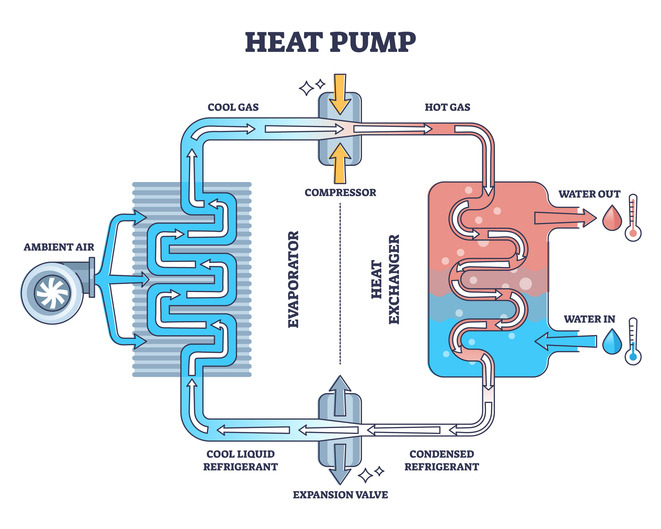
Unlike traditional heating systems that generate heat, EV heat pumps transfer heat from one place to another.
In simple terms, the system pulls heat from outside air—even in cold conditions—and moves it into the cabin or battery system. This makes it far more efficient than resistive heating, which draws significant energy directly from the battery.
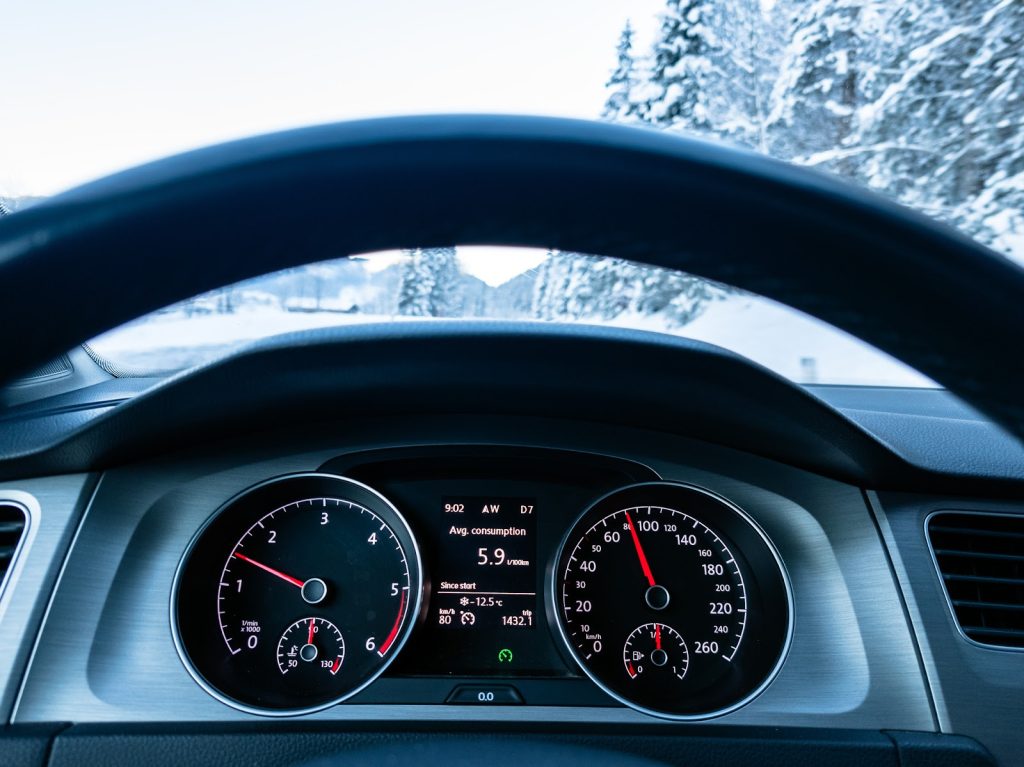
Because of this, heat pumps are directly linked to EV winter range loss. When they operate efficiently, they help preserve range. When they don’t, energy consumption increases, and range drops faster.
Why Do EVs Lose More Range in Winter?
Cold weather affects EVs in several ways, and heating is only part of the equation.
Battery chemistry becomes less efficient at lower temperatures, reducing available energy. At the same time, heating demand increases, placing additional load on the system.
When the electric vehicle heating system relies heavily on battery power, especially if the heat pump is not functioning properly, range loss becomes more noticeable. This is why winter complaints are often tied to both battery performance and EV thermal management issues rather than a single component failure.
How Is an EV Heat Pump Different From Cabin Heat in Gas Vehicles?
In gasoline vehicles, cabin heat is essentially a byproduct of the engine. Waste heat from combustion is redirected into the cabin with minimal energy cost.
EVs do not have that advantage. Instead, they must actively generate or transfer heat using electrical energy. A heat pump improves efficiency by moving heat rather than creating it, but it still depends on system performance and environmental conditions.
This difference is critical for technicians. Diagnosing heating complaints in EVs requires understanding system efficiency, not just whether heat is present. To succeed as a hybrid and electric vehicle mechanic, every budding technician must learn how these systems differ fundamentally from traditional vehicles.
What Are Common EV Heat Pump Problems?
In real-world cold-weather EV diagnosis, heat pump issues are not always obvious. Drivers may report reduced cabin heat, but the underlying issue could involve several components working together.
Common problems include:
- Reduced heating performance in low temperatures
- Delayed cabin warm-up
- Increased energy consumption
- Inconsistent temperature control
These symptoms often point to inefficiencies within the system rather than complete failure.
Because the heat pump is integrated into the broader EV thermal management system, technicians must consider multiple variables when diagnosing the issue.
What Do Technicians Check First With Winter Range Complaints?
When a driver reports reduced range in winter, technicians do not immediately assume battery degradation.
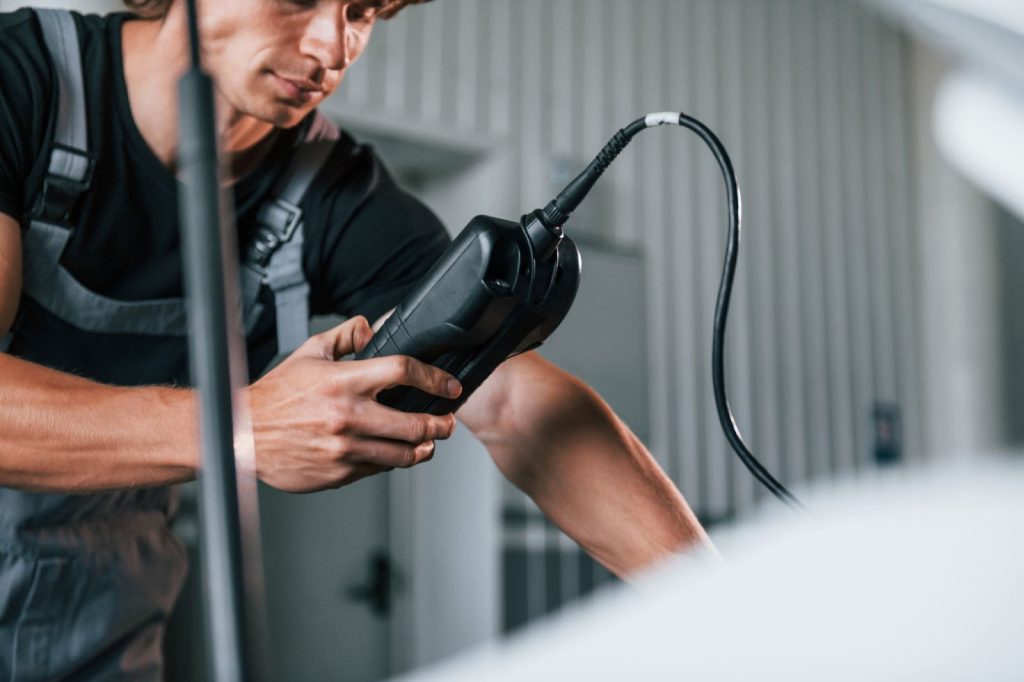
Instead, they begin with a system-level approach. The first step is to review scan data. This includes temperature sensors, system pressures, and control module commands. If the heat pump is not operating efficiently, the data will often reveal inconsistencies.
Next, technicians evaluate refrigerant flow and system operation. Restrictions, leaks, or improper charge levels can affect heat transfer efficiency. They also assess how the system is blending heating functions. In some cases, the vehicle may rely more on resistive heating if the heat pump cannot meet demand.
Students at our auto mechanic school in Surrey are trained to approach these complaints systematically, connecting driver concerns to system data and performance.
Do EV Heat Pumps Affect Driving Range?
Yes, and significantly. Because heating draws energy directly from the battery, any inefficiency in the system increases energy consumption.
A properly functioning heat pump minimizes this impact by improving efficiency. However, when EV heat pump problems occur, the system may rely more on energy-intensive heating methods. This leads to noticeable EV winter range loss, especially during extended cold-weather driving.
Is Thermal Management Taught in EV Mechanic Training?
Absolutely. Thermal management is one of the most important areas in EV service. Modern training programs emphasize how heating, cooling, and battery systems interact. This includes:
- Heat pump operation
- Refrigerant systems
- Battery temperature control
- System diagnostics using scan tools
For those pursuing advanced roles in the industry, these skills are essential.
Why EV Heat Pump Knowledge Matters for Technicians
As EV adoption continues to grow, technicians will encounter more vehicles with advanced thermal systems.
Understanding EV heat pump problems allows technicians to diagnose issues that directly affect both comfort and range, two of the most important factors for EV drivers.
More importantly, it reinforces a broader shift in the industry: moving from component-based repairs to system-based diagnostics.
Are you looking for a comprehensive hybrid technology training course?
Contact ATC Surrey for more information.
Key Takeaways
- EV heat pump problems can reduce heating efficiency and driving range.
- Heat pumps improve efficiency by transferring heat rather than generating it.
- Cold weather impacts both battery performance and thermal systems.
- Diagnosis requires scan data and system-level analysis.
- Thermal management is a core skill for modern EV technicians.
FAQ
Q: Do EV heat pumps affect driving range?
A: Yes. Efficient heat pump operation helps preserve range, while system issues can increase energy consumption and reduce range.
Q: Why does an EV lose more range in winter?
A: Cold temperatures reduce battery efficiency and increase energy demand for heating, leading to overall range loss.
Q: How is an EV heat pump different from cabin heat in gas vehicles?
A: Gas vehicles use waste engine heat, while EVs must actively generate or transfer heat, making efficiency more critical.
Q: What does a technician check first with winter range complaints?
A: Technicians review scan data, inspect system performance, and evaluate thermal management components before identifying the cause.
Q: Is thermal management taught in EV mechanic training?
A: Yes. Modern training programs cover heat pumps, battery cooling, and system diagnostics as part of EV education.