EV Charging Standards in 2026: CCS vs. SAE J3400 (NACS) and Real-World Repair Challenges
TL;DR
As SAE J3400 (formerly NACS) gains industry adoption alongside CCS, EV charging problems are becoming more complex. Mechanics must understand charging standards, adapters, and safe diagnostic procedures to identify root causes accurately and avoid guesswork.
Electric vehicles are not just changing powertrains. They are reshaping how technicians approach diagnostics, customer complaints, and infrastructure-related faults.
In 2026, one of the most discussed issues in shops involves EV charging problems. As the industry transitions between CCS and the newly standardized SAE J3400 connector (formerly known as NACS), technicians are seeing new patterns in “won’t charge” complaints and inconsistent charging behaviour.
Understanding charging standards is no longer optional. It is directly tied to accurate diagnostics and customer trust.
What Is SAE J3400 and Why Does It Matter for EV Service?
SAE J3400 is the formal industry standard designation for what many previously referred to as NACS (North American Charging Standard). SAE International formalized the connector under the J3400 designation to standardize specifications across manufacturers.
SAE J3400 aims to unify charging communication and physical connector design. Meanwhile, CCS (Combined Charging System) has been widely adopted globally and remains supported by major manufacturers.
For technicians, this dual-standard environment means vehicles may arrive with CCS ports, SAE J3400 ports, or adapters bridging the two. Each introduces variables during diagnostics.
NACS vs CCS: Why the Difference Creates Repair Complexity
The NACS vs CCS debate is not just about plug shape. It affects communication protocols, current delivery, latch mechanisms, and compatibility with infrastructure.
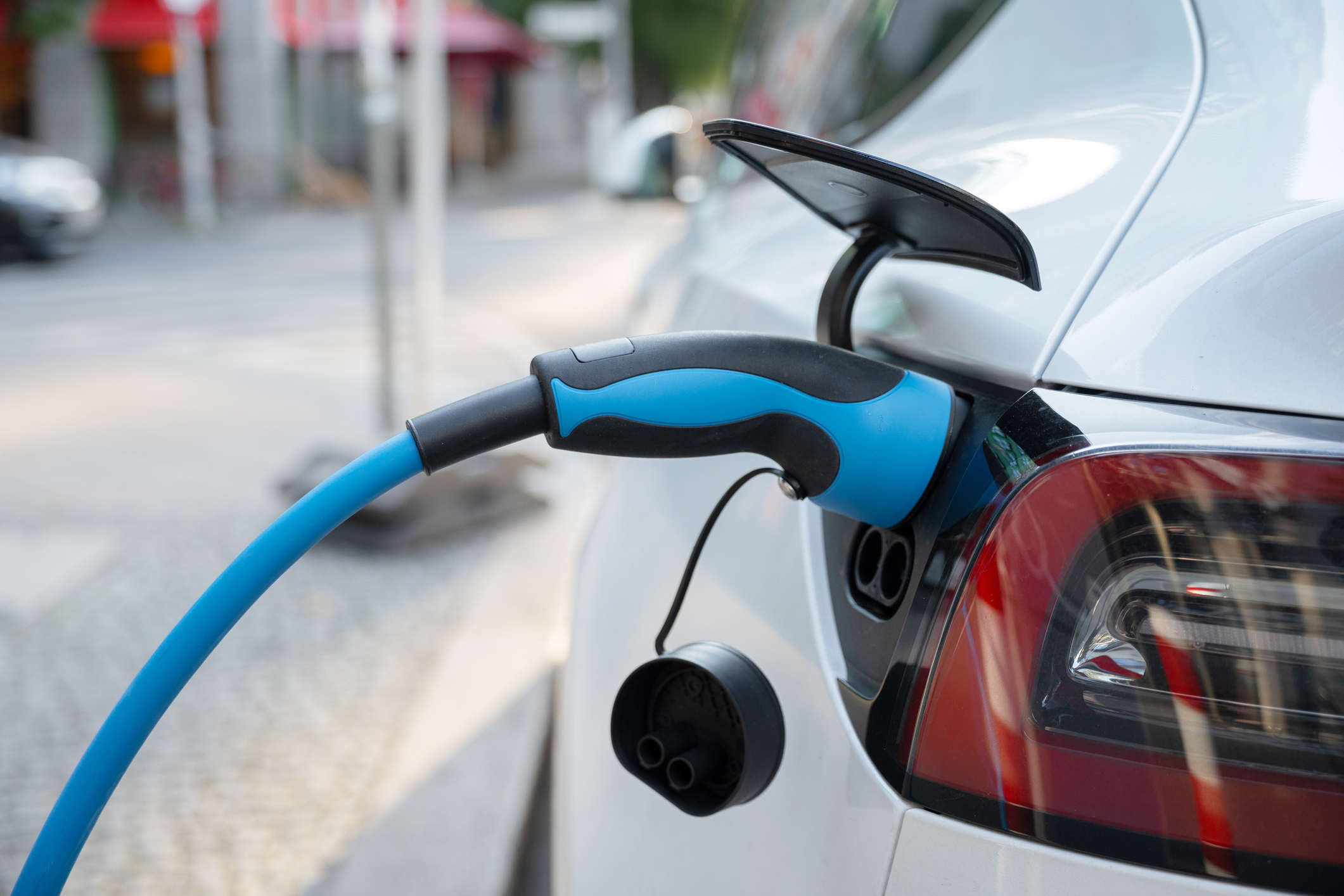
When adapters are involved, the system adds additional physical and electronic contact points. Each connection becomes a potential failure source. Shops are increasingly seeing customer complaints where the issue is not the onboard charger, but:
- Damaged adapter pins
- Communication handshake faults
- Software incompatibility between the charger and the vehicle
- Improper latch engagement
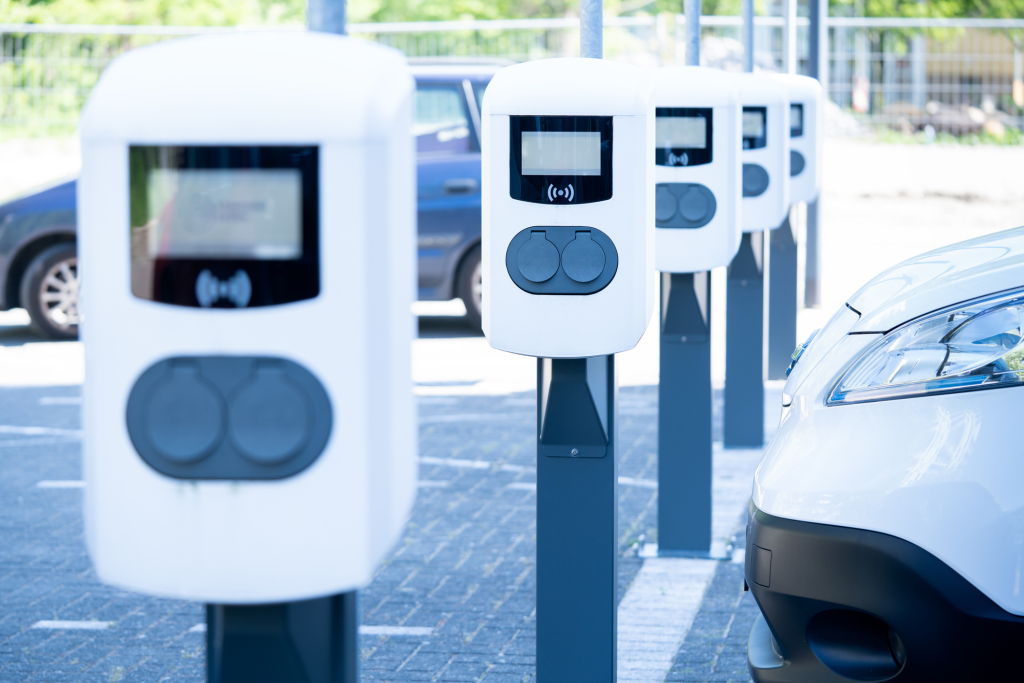
Transport Canada continues expanding EV infrastructure, increasing the number of public charging stations nationwide. As infrastructure grows, variability between stations can complicate diagnostics.
How Do Adapter and Connector Changes Affect Customer Complaints?
Customers often describe symptoms such as intermittent charging, slower charging speeds, or charging sessions that terminate early.
In many cases, the root issue lies in:
- Physical wear on connectors
- Contamination or debris in ports
- Faulty proximity pins
- Adapter overheating
- Software update mismatches
Because charging systems rely on communication between the vehicle and station before current flows, even minor contact resistance can interrupt the handshake process.
Technicians must determine whether the fault originates from the vehicle, the adapter, or the external charging station. Replacing vehicle components prematurely can lead to unnecessary costs and comebacks.
What Are the Most Common Root Causes of “Won’t Charge” Issues?
Based on industry patterns, frequent causes include:
- High-voltage interlock circuit faults
- Damaged charge port pins
- Failed onboard charger modules
- Charging cable damage
- Communication protocol mismatch
- Software calibration errors
Importantly, not every no-charge complaint is a hardware failure. Software plays a major role. As manufacturers push over-the-air updates, compatibility between charger firmware and vehicle control modules can shift over time.
How Do Techs Safely Test Charging Systems Without Guessing?
The key is structured diagnostics and high-voltage safety discipline.
Technicians typically begin by:
- Verifying customer concern and charging conditions.
- Checking service bulletins for known compatibility issues.
- Inspecting connectors and ports for physical damage.
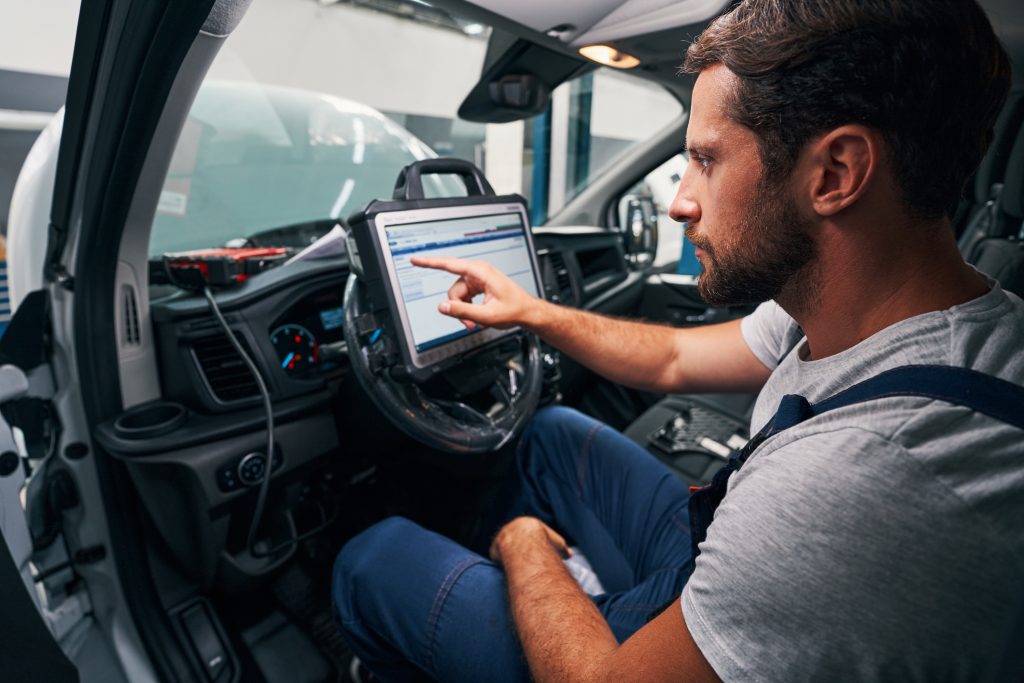
- Using scan tools to review charge module codes and data.
- Confirming high-voltage interlock integrity.
- Testing with known-good charging equipment when possible.
Charging diagnostics require respect for high voltage. Lockout procedures, proper PPE, and manufacturer service information are essential.For students preparing for modern EV service, structured automotive training is increasingly focused on high-voltage systems and charging diagnostics. Training at a reputable auto mechanic school provides foundational knowledge in electrical systems before advancing into EV-specific workflows.
Why Charging Knowledge Creates Career Value
As EV adoption expands, shops are investing in technicians who understand evolving charging standards. The ability to interpret charging data, inspect connectors correctly, and avoid unnecessary part replacement strengthens professional credibility.
Students considering long-term auto careers benefit from early exposure to EV systems and charging standards. The technicians who thrive in 2026 and beyond will be those who treat charging diagnostics with the same structured approach as engine or transmission work.
Would you like to explore a wide range of auto careers?
Contact ATC Toronto for more information.
Key Takeaways
- EV charging problems are increasingly linked to connector standards and adapter use.
- SAE J3400 formalizes the NACS connector while CCS remains widely used.
- Adapter variability adds diagnostic complexity.
- Many “won’t charge” issues are communication or software-related, not hardware failure.
- Structured diagnostics and proper training reduce guesswork and comebacks.
FAQ
Q: What is SAE J3400, and why does it matter for EV service?
A: SAE J3400 standardizes the NACS charging connector, affecting compatibility, diagnostics, and infrastructure integration.
Q: How do adapter/connector changes affect customer complaints and diagnostics?
A: Adapters introduce additional contact points that can create communication faults or physical connection issues.
Q: What are the most common root causes of “won’t charge” issues?
A: Common causes include damaged connectors, onboard charger faults, communication errors, and software mismatches.
Q: How do techs safely test charging systems without guessing?
A: By following structured diagnostic procedures, verifying interlock circuits, using scan tools, and observing strict high-voltage safety protocols.