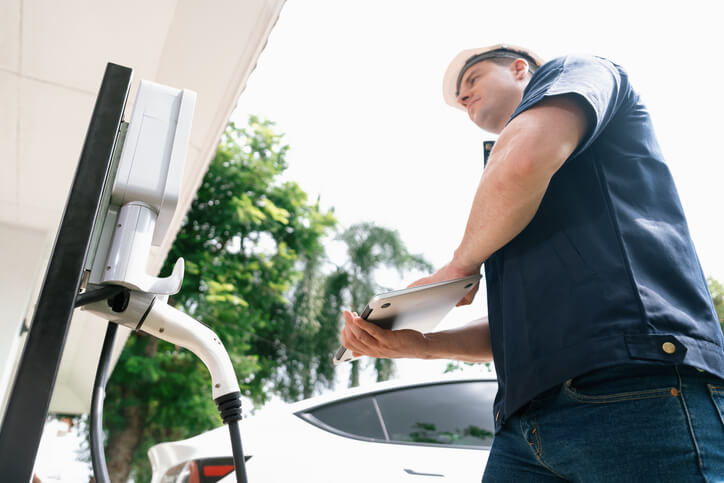
EV Charging Port Problems: Wear, Water, and Won’t Charge Complaints
TL;DR
An EV charging port can develop problems from wear, moisture intrusion, damaged connectors, or communication failures. Many EV charging problems are not caused by the charger itself, but by faults within the vehicle’s charging system. Technicians inspect connectors, seals, charging communication, and charging speed performance before determining whether charging port replacement is necessary. Students entering an automotive service technician program learn how EV charging systems operate and how to diagnose modern charging concerns safely and accurately.
As electric vehicles become more common across Canada, repair shops are seeing an increase in customer complaints related to charging performance. Some drivers report intermittent charging, while others experience complete “won’t charge” situations that prevent the vehicle from charging altogether.
In many cases, drivers assume the charging station is responsible. However, technicians often discover that the issue originates within the vehicle itself, particularly around the EV charging port and its related communication systems.
Because modern EV charging systems combine electronics, software communication, thermal management, and physical connectors, diagnosing charging concerns requires a careful and methodical approach.
What Are the Most Common Causes of Won’t-Charge Issues?
There are several possible causes behind modern EV charging problems, and not all of them involve major component failure.
Some of the most common causes include:
- Damaged or bent charging connector pins
- Corrosion or moisture intrusion
- Loose internal wiring connections
- Faulty locking mechanisms
- Communication failures between the charger and the vehicle
- Software-related charging interruptions
- Overheating during charging sessions
- Damaged seals around the charging area
In colder Canadian climates, moisture and road salt exposure can also contribute to corrosion near the EV charging port over time.
According to Natural Resources Canada, EV charging infrastructure and charging compatibility continue expanding nationwide as zero-emission vehicle adoption grows. As charging systems become more common, technicians increasingly need to understand how both the charger and vehicle communicate during charging sessions.
Proper diagnostics help technicians determine whether the issue involves the charging station, the vehicle, or communication between both systems.
What Does a Technician Inspect First on a Charging Port?
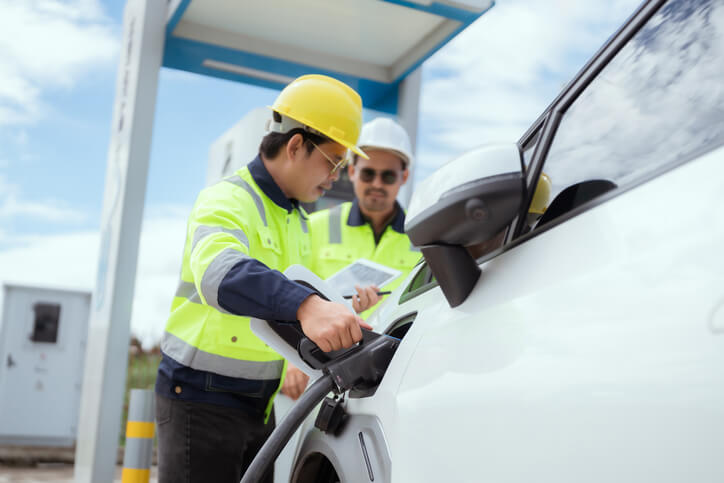
When diagnosing EV charging problems, technicians usually begin with a visual inspection of the EV charging port itself.
This inspection may include checking for:
- Physical damage to the connector pins
- Dirt, debris, or contamination
- Corrosion or discoloration
- Loose connectors
- Water intrusion
- Damaged seals or gaskets
- Signs of overheating
Technicians also inspect how securely the charging connector fits into the port. A loose or improperly seated connection may interrupt charging communication or reduce charging efficiency.
Modern EV systems also rely heavily on communication between the vehicle and charger. Technicians may connect diagnostic equipment to review fault codes, charging session history, and communication data before recommending repairs.
In some situations, the issue may require a full charging port replacement, especially if the connector housing, internal terminals, or communication hardware have been damaged.

How DC Fast Charging Can Stress Components Differently
Not all charging systems place the same demands on vehicle hardware. DC fast charging systems transfer electricity at much higher power levels than standard Level 2 charging systems.
Because of this, DC fast charging can place additional stress on:
- Charging connectors
- Internal terminals
- Cooling systems
- Communication systems
- Charging cables
Repeated high-speed charging sessions may contribute to increased connector wear or heat buildup over time.
Technicians may inspect charging temperatures, connector condition, and communication stability after repeated DC fast charging use, particularly if drivers report intermittent charging interruptions.
As manufacturers continue debating NACS vs CCS charging standards, technicians are also becoming more familiar with different connector designs and compatibility requirements between charging systems.
Understanding NACS vs CCS systems helps technicians diagnose charging compatibility concerns more accurately as the EV market evolves.
Why Charging Diagnostics Are Becoming Part of Modern EV Maintenance
Today’s EV maintenance involves more than battery inspections and tire rotations. Charging system diagnostics are becoming a regular part of modern EV service work.
Technicians may now perform:
- Charging communication tests
- Connector temperature inspections
- Charging speed verification
- Software updates
- Charging fault diagnostics
- Charging cable inspections
This shift means technicians increasingly rely on diagnostic software and electrical troubleshooting skills alongside traditional repair knowledge.
For students interested in future-focused automotive careers, charging diagnostics represent one of many evolving skill areas within the modern repair industry.
How Training Helps Students Understand EV Charging Systems
Students entering auto mechanic training programs today are preparing for a repair industry that includes growing numbers of hybrid and electric vehicles.
At our auto mechanic school, students learn:
- EV charging system basics
- High-voltage safety procedures
- Electrical diagnostics
- Charging communication systems
- Hybrid and EV system operation
- Modern diagnostic procedures
This knowledge helps prepare students to diagnose modern EV charging problems safely and accurately.
If you’re training to become a mechanic, understanding charging systems and modern diagnostics can help build valuable skills for today’s automotive industry.
Are you interested in pursuing an automotive service technician program?
Contact ATC Cambridge for more information.
Key Takeaways
- An EV charging port can develop problems from wear, moisture intrusion, overheating, or communication failures
- Many EV charging problems originate within the vehicle rather than the charging station
- Charging port replacement may be necessary when connectors or communication hardware become damaged
- DC fast charging places higher thermal and electrical demands on charging components
- Modern EV maintenance increasingly includes charging diagnostics and communication testing
FAQ
What are the most common causes of won’t-charge issues?
Common causes include damaged connectors, moisture intrusion, communication failures, software interruptions, loose connections, and overheating within the charging system.
What does a technician inspect first on a charging port?
Technicians typically inspect connector pins, seals, corrosion, fitment, contamination, communication faults, and signs of overheating or water intrusion.
How can DC fast charging stress connectors differently?
Because DC fast charging transfers higher power levels, it can create more heat and electrical stress on charging connectors, terminals, and communication systems.
Are EV charging system basics covered in technician training?
Yes. Many modern technician programs introduce students to EV charging systems, high-voltage safety, electrical diagnostics, and charging communication fundamentals.