EV Charge Cable Overheating: Resistance, Connector Heat, and Safety Checks
In Brief: EV Charger Overheating Checks
- Some warmth during EV charging can be expected, particularly when significant current is flowing.
- Excessive localized heat can be associated with poor contact, contamination, damage, or increased electrical resistance.
- A charging system may reduce current or stop charging when excessive temperature is detected.
- Technicians inspect both the vehicle and charging equipment before deciding what requires repair.
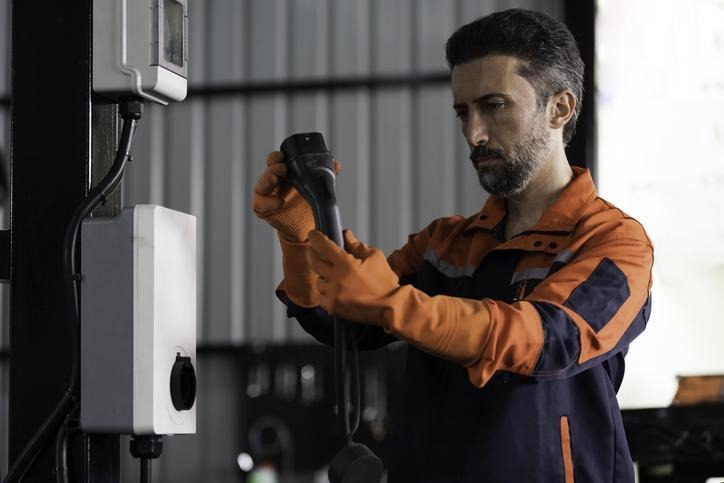
An EV has been charging normally, but the driver notices that the connector feels unusually hot. Is the charger working hard, or is there a developing fault?
The answer requires more than touching the cable.
Electrical current naturally produces some heat, and high-current charging systems incorporate thermal management. Tesla, for example, notes that cooling components may operate during high-current charging, and its charging equipment can reduce current or interrupt charging when excessive temperatures are detected.
For students at our auto mechanic school in Surrey, EV charger overheating demonstrates why electrical resistance, connector condition, scan information, and safety procedures all matter when diagnosing electrified vehicles.
Why Is a Vehicle’s EV Charger Overheating?
Electrical resistance converts some electrical energy into heat as current passes through the cable, terminals, and connection points.
Higher current increases the importance of keeping electrical connections in good condition. If resistance becomes excessive at a connection, heat can become concentrated there.
Possible contributors include:
- A connector that is not fully seated
- Contamination or foreign material
- Moisture in the connection
- Worn or damaged contacts
- Damage to the cable or connector
- Problems elsewhere in the charging equipment
Tesla’s troubleshooting guidance specifically tells users to check that the connector is fully inserted and to inspect the connector and EV charging port for debris, moisture, or other obstructions when excessive handle temperature is detected.
That makes the location of the heat an important diagnostic clue. A hot connector, cable, wall connection, and vehicle inlet do not necessarily point to the same problem.
Is It Normal for an EV Charging Connector to Feel Warm?
Some temperature increase can occur during charging, but persistent or excessive heat, temperature warnings, charging interruptions, or visible damage should not simply be dismissed as normal. This distinction becomes especially important during DC fast charging, when high electrical power is transferred to the vehicle.
EVs and charging equipment can monitor temperature and manage charging accordingly. Tesla documents situations in which increased connector temperature causes charging current to be temporarily reduced, while higher temperatures can cause charging to stop.
Drivers may also notice cooling-system activity during high-current charging. Tesla states that its compressor and fan can operate as needed to keep the battery cool. For technicians, the lesson is not to diagnose a fault based on warmth alone. The severity, location, warnings, charging behaviour, connector condition, and manufacturer specifications all provide context.
What Causes an EV Charging Plug to Overheat?
Excessive heat can develop when electrical resistance becomes too high at a connection or when the charging equipment is exposed to conditions that interfere with normal heat management.
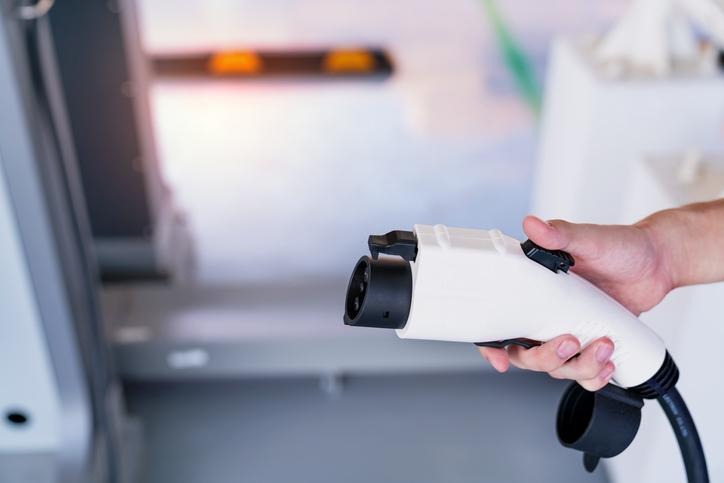
Consider a connector that is not fully inserted. The electrical contact may be poorer than intended, increasing resistance at the connection.
Tesla identifies incomplete insertion, debris, moisture, and external heat sources among conditions to check when its charging system detects excessive handle temperature. Its guidance also identifies loose building wiring or worn outlets as possible causes of overheating on the supply side of portable charging equipment.
This is why EV charging problems require technicians to consider the whole charging path rather than immediately blaming the vehicle.
The issue could involve:
Charging equipment → cable → connector → vehicle inlet → onboard charging system
AC and DC charging architectures also differ. During AC charging, the vehicle’s onboard charger converts AC electricity to DC for the battery. During DC fast charging, the charging station supplies DC power to the vehicle, bypassing that onboard AC-to-DC conversion stage.
Students in our hybrid technology training course can build the electrical foundation needed to understand these differences safely.
What Should Technicians Inspect Before an Overheated Cable Is Used Again?
They should follow manufacturer procedures and determine where the abnormal heat originated before the affected equipment returns to service.
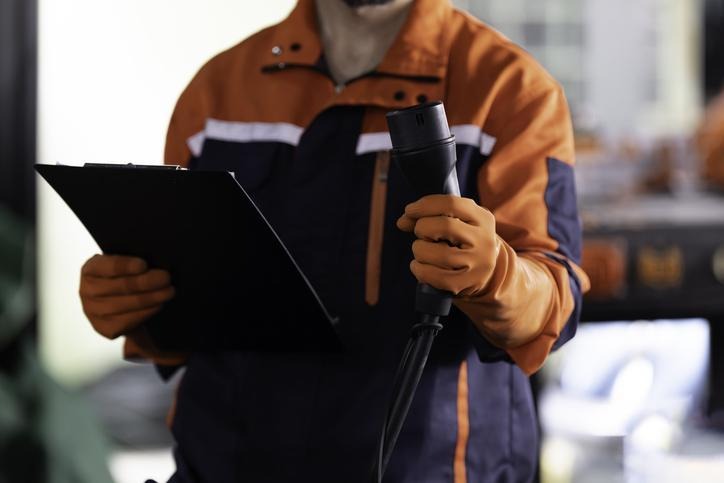
Depending on the vehicle and charging system, an inspection may include:
- Reviewing warnings and fault information. Determining whether the vehicle or charging equipment recorded a high-temperature or charging fault.
- Inspecting the connector. Look for contamination, moisture, deformation, discolouration, damaged terminals, or other abnormal conditions.
- Inspect the vehicle inlet. Check the EV charging port for debris, moisture, physical damage, and terminal condition according to service information.
- Checking connector engagement. Confirm that the charging connector seats and latches correctly.
- Inspect the cable and charging equipment. Look for visible damage or abnormal heating away from the vehicle connection.
- Following electrical test procedures. Further measurements or component tests should follow the manufacturer’s service information and appropriate high-voltage safety procedures.
Tesla instructs users experiencing high charge-handle temperature to inspect the handle and charge-port inlet for obstructions or moisture and to obtain service if the condition persists under normal ambient temperatures.
A technician should not simply reconnect a visibly damaged or repeatedly overheating component to “see what happens.”
Does an Overheated Charging Port Always Need Replacement?
An overheating event does not automatically mean charging port replacement is required.
If inspection identifies debris or another external condition without component damage, the appropriate corrective action may be different. If the inlet has damaged, burned, deformed, loose, or otherwise compromised components, manufacturer service procedures determine whether repair or replacement is required.
The same applies to the cable and charging equipment.
Replacing the vehicle inlet without finding excessive resistance elsewhere could leave the original problem unresolved. Likewise, blaming the charging station before checking the vehicle could overlook damage on the vehicle side.
This diagnostic approach is particularly important for anyone preparing to work as a hybrid and electric vehicle mechanic. EV service requires technicians to understand the system while respecting the additional hazards associated with high-voltage components.
Why Does Electrical Resistance Matter During EV Charging?
Resistance exists in every electrical circuit, but unwanted resistance at a high-current connection can generate substantial localized heat.
This relationship can be expressed using the electrical power formula:
P = I²R
Here, P represents heat-producing power, I represents current, and R represents resistance.
Because current is squared, increased resistance at a connection becomes especially important when substantial current is flowing. That is one reason terminal condition, connector engagement, and contamination matter during charging-system diagnosis.
For future technicians, EV charger overheating is therefore more than a charging concern. It is an applied lesson in electrical fundamentals: current, resistance, heat, circuit integrity, and safe diagnostic practice all come together at the connector.
Would you like to explore training opportunities at our auto mechanic school in Surrey?
Contact ATC Surrey for more information.
Key Takeaways
- Charging cables and connectors can become warm while carrying current.
- Excessive localized heat may indicate increased resistance or another charging-system problem.
- Poor engagement, debris, moisture, worn contacts, or component damage can contribute to overheating.
- Charging systems may reduce current or stop charging when excessive temperature is detected.
- Technicians inspect the complete charging path before recommending charging port replacement or another repair.
FAQ
Why Does an EV Charging Cable Get Hot?
Electrical resistance produces heat as charging current travels through cables and connections. Some heating can occur normally, but excessive localized heat may indicate poor contact, contamination, damage, or another charging-system fault.
Is It Normal for an EV Charging Connector to Feel Warm?
Some warmth can occur during charging. Persistent excessive heat, high-temperature warnings, visible damage, or charging interruptions require further investigation rather than being assumed normal.
What Causes an EV Charging Plug to Overheat?
Possible causes include poor connector engagement, debris, moisture, worn or damaged contacts, cable damage, excessive resistance, external heat, or problems elsewhere in the charging equipment.
What Should Technicians Inspect Before an Overheated Cable Is Used Again?
Technicians should follow manufacturer procedures and inspect the connector, cable, vehicle inlet, terminal condition, connector engagement, recorded faults, and charging equipment. Damaged or repeatedly overheating equipment should not simply be returned to service without identifying the cause.