EV Battery Pack Water Intrusion: Risks, Diagnosis & What to Do Next
TL;DR
EV battery water intrusion can pose serious safety risks, including corrosion, insulation faults, and electrical hazards. Technicians must follow strict safety procedures before diagnosing a flooded electric vehicle. Proper inspection and pack sealing evaluation are critical to determining whether a battery can be repaired or must be replaced.
Electric vehicles are designed to operate safely in rain, snow, and wet conditions. However, severe flooding or prolonged immersion in deep water can allow moisture to enter areas that were never designed to be wet, especially the battery pack.
When EV battery water intrusion occurs, the consequences can include electrical faults, internal corrosion, and potential safety hazards. Even a small amount of water inside a high-voltage battery system can compromise insulation and create dangerous conditions for both drivers and technicians.
Understanding how water affects EV battery systems is becoming increasingly important for automotive professionals. Students entering automotive training programs today are learning diagnostic procedures for electric vehicles as the number of EVs on Canadian roads continues to rise.
Why Is EV Battery Water Intrusion Dangerous?
EV battery packs are designed with strong enclosures and pack sealing systems to protect sensitive electrical components. These enclosures typically meet strict water-resistance standards, but they are not designed to withstand full submersion or prolonged exposure to floodwater.
When water enters the battery enclosure, several problems may develop. The most immediate concern is electrical insulation failure. High-voltage components rely on proper insulation to contain electrical charge within the system.
If water compromises insulation, an isolation fault may occur. This happens when electricity leaks from the high-voltage system to the vehicle chassis or surrounding components.
Ontario Automotive Recyclers Association highlights that trained professionals should always inspect damaged high-voltage EV systems before the vehicle is operated again. Students in auto mechanic school and automotive technology programs are increasingly exposed to the fundamentals of EV system safety.
Warning Signs of EV Battery Contamination
What warning signs suggest pack contamination or corrosion? Vehicles that have experienced water exposure may display several warning indicators. Dashboard alerts are often the first sign. A vehicle may display high-voltage system warnings, battery system faults, or messages instructing the driver to stop the vehicle.
Diagnostic scans may reveal isolation faults or communication errors between battery management components. In some cases, technicians may also notice unusual smells, corrosion around battery connectors, or moisture inside high-voltage compartments.
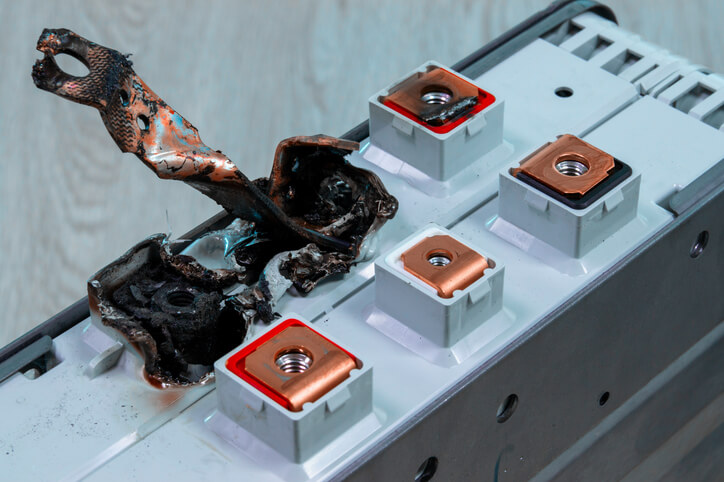
Over time, battery corrosion can damage electrical contacts and internal circuitry, potentially leading to long-term performance problems.
Because these symptoms may appear gradually, technicians must perform careful inspections when flood exposure is suspected.
Is It Safe to Charge or Park an EV After Flooding?
Generally, charging a vehicle that has experienced flooding is not recommended until the high-voltage system has been inspected. Charging introduces significant electrical current into the battery pack. If moisture is present inside the battery enclosure, that current could create short circuits or further damage electrical components.
In many cases, technicians recommend disconnecting the vehicle from the charging infrastructure and transporting it to a repair facility for inspection. Safety procedures for flooded EVs are strict because high-voltage systems pose hazards when water contamination is present.
What Shops Do Before Diagnosing a Flooded EV
What should a shop do before touching a suspected flooded EV? Professional repair facilities follow strict safety protocols when working on vehicles exposed to water.
The first step is verifying that the vehicle’s high-voltage system is safely disabled. Technicians must follow manufacturer procedures to isolate and secure the electrical system before inspection.
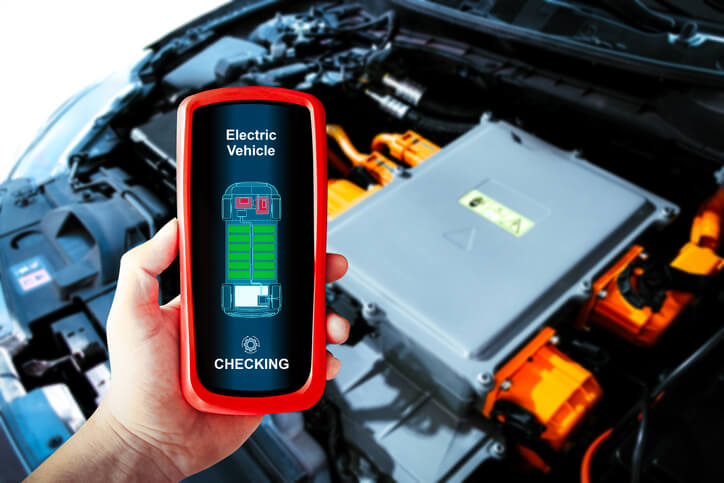
Next, technicians perform visual checks for signs of contamination around connectors, wiring harnesses, and battery pack enclosures. Specialized diagnostic tools can be used to detect isolation faults in the high-voltage system.
If moisture is confirmed inside the battery pack, technicians may need to remove the pack for detailed inspection. In many cases, severe contamination requires replacement rather than repair. These procedures are increasingly included in modern EV repair education as part of specialized auto careers in EV service.
Why EV Water Damage Diagnosis Is Complex
Diagnosing water damage in EV battery systems is more complex than diagnosing water damage in conventional vehicle components.
Battery packs contain hundreds or thousands of individual cells along with sensors, cooling channels, and electronic control modules. Even small amounts of water can cause hidden damage that may not appear immediately.
Technicians must evaluate the integrity of battery enclosures, internal wiring, and electrical isolation before determining whether the pack remains safe to use.
As EV systems continue to evolve rapidly, specialized training plays an increasingly important role in preparing technicians to address these complex diagnostic challenges.
Are you looking for comprehensive automotive training?
Contact ATC Toronto for more information.
Key Takeaways
EV battery water intrusion presents serious safety risks that require careful inspection and professional diagnosis. Water entering a battery enclosure can cause battery corrosion, electrical insulation failures, and dangerous isolation fault conditions.
Drivers should avoid charging or operating vehicles suspected of flood damage until trained technicians inspect them. For automotive professionals, understanding EV battery safety and diagnostic procedures is becoming an essential skill as electric vehicles continue to gain market share in the Canadian automotive market.
FAQ
Is it safe to charge or park an EV after flooding?
Generally, charging a vehicle that has experienced flooding is not recommended until the high-voltage system has been inspected.
What warning signs suggest pack contamination or corrosion?
Vehicles that have experienced water exposure may display several warning indicators. Dashboard alerts are often the first sign. A vehicle may display high-voltage system warnings, battery system faults, or messages instructing the driver to stop the vehicle.
What should a shop do before touching a suspected flooded EV?
Technicians must disable the high-voltage system, inspect connectors and wiring, run diagnostic tests, and follow strict EV safety procedures before beginning repairs.