Engine Types Explained: What Future Mechanics Should Know
TL;DR
Engines come in many designs, and understanding their differences is an important skill for future automotive technicians. From inline and V-shaped configurations to modern hybrid powertrains, different engine designs affect vehicle performance, maintenance procedures, and diagnostics. Learning about engine types helps students build a stronger foundation for future repair and troubleshooting work.
Engines are at the heart of every vehicle, but not all engines are built the same. Manufacturers use different configurations, cylinder layouts, and technologies to balance performance, fuel efficiency, space requirements, and reliability.
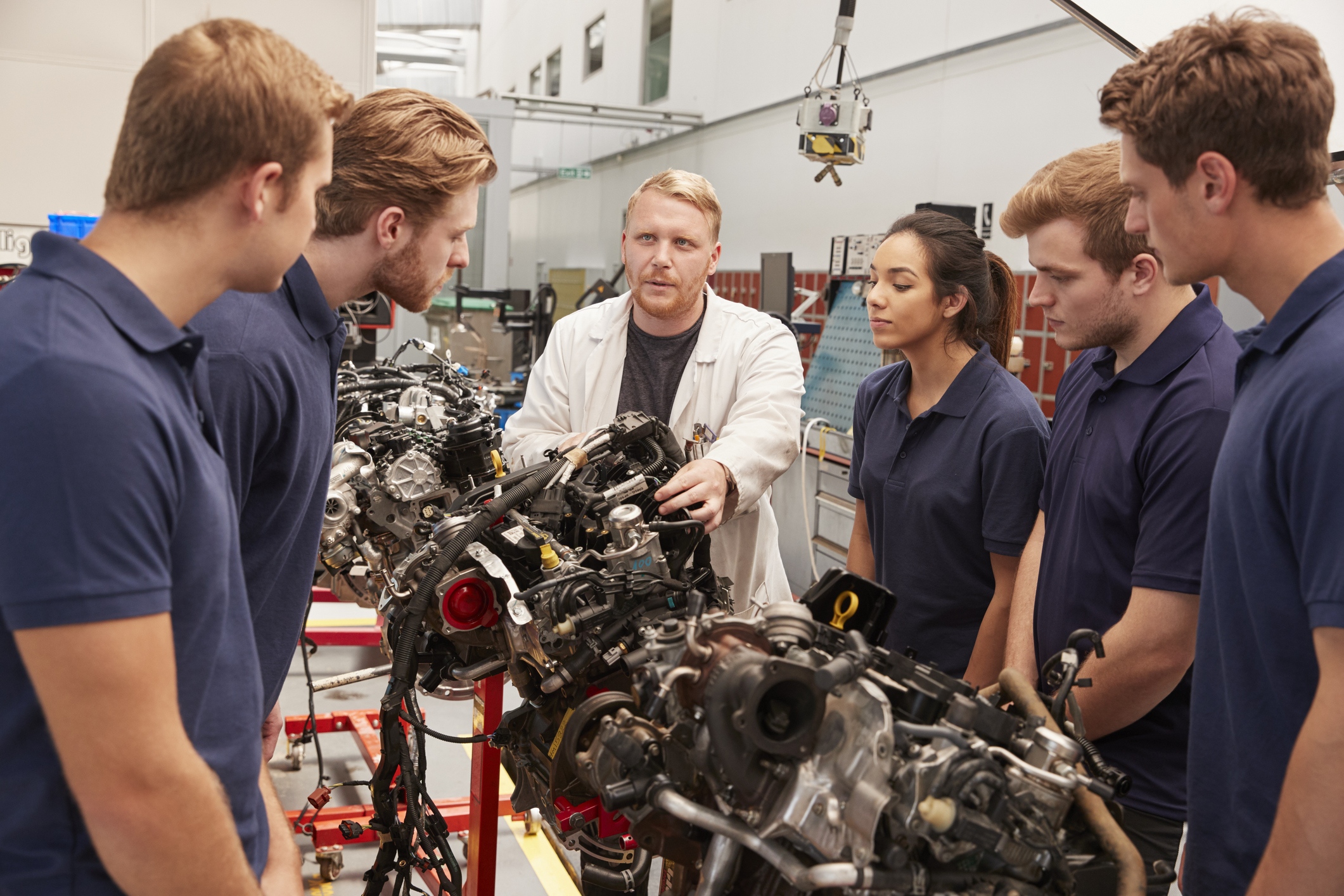
For students at our auto mechanic school in Surrey, understanding the major types of engines provides valuable insight into how vehicles operate and why repair procedures can vary from one model to another. This blog highlights what current and budding mechanics should know about the various types of engines.
What Are the Main Types of Car Engines?
What are the main types of car engines? The main types of car engines include inline engines, V engines, flat engines, rotary engines, hybrid powertrains, and electric vehicle propulsion systems.
Most modern passenger vehicles use inline-four or V6 engine designs. Inline engines arrange cylinders in a straight line, while V engines position cylinders in two angled banks.
Some manufacturers also use flat or boxer engines, where cylinders are positioned horizontally. Although less common today, rotary engines represent another unique design that uses rotating components instead of traditional pistons.
When discussing different types of engines, technicians often classify them according to cylinder arrangement, fuel type, or operating technology. Understanding these differences helps future technicians identify the systems they may encounter in the workplace.
Why Do Engine Types Matter for Repair Work?
Why do engine types matter for repair work? Engine types matter because their designs influence diagnostics, maintenance procedures, component access, and repair complexity.
An inline-four engine may provide easier access to components than a compact V6 or V8 configuration. Some designs require additional disassembly to reach spark plugs, timing components, or fuel system parts.
Different engine types can also use unique cooling systems, ignition systems, and emissions controls. As a result, technicians often need to adapt repair strategies based on the specific engine they are servicing.
Students enrolled in our Automotive Service Technician Foundation program quickly learn that understanding engine design makes troubleshooting more efficient and helps technicians follow proper service procedures.
How Do Technicians Identify Engine Layout and Design?
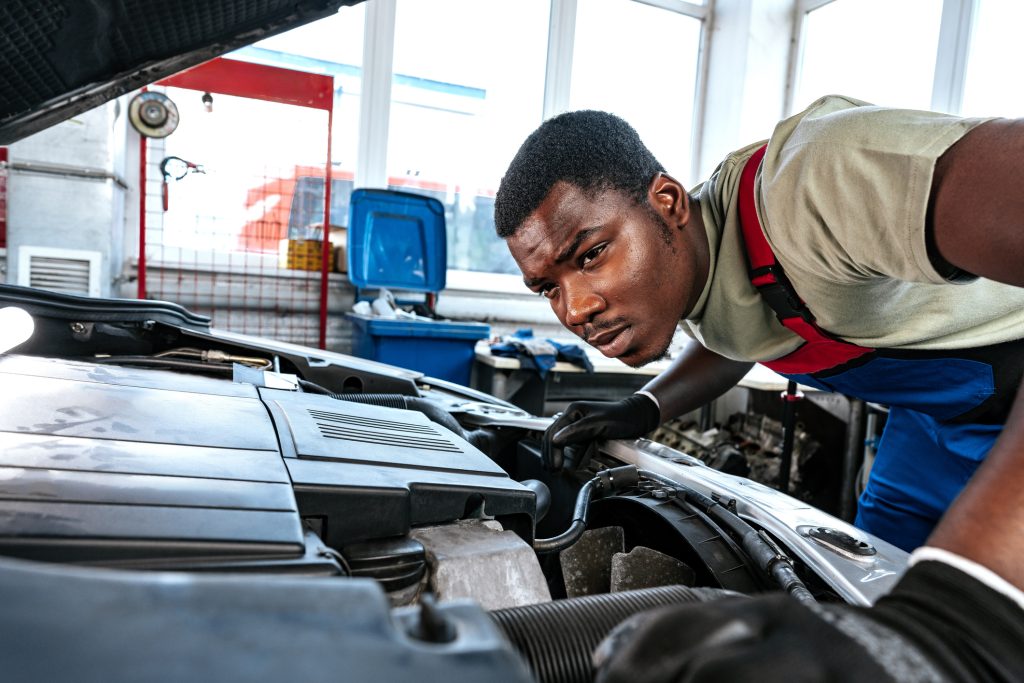
How do technicians identify engine layout and design? Technicians identify engine layout and design by examining cylinder arrangement, engine specifications, manufacturer documentation, and vehicle identification information.
For example, an inline-four engine has all cylinders positioned in a single row. A V engine uses two cylinder banks arranged in a V shape. Flat engines have cylinders arranged horizontally, one opposite the other.
Modern technicians also use service information systems, repair manuals, and manufacturer databases to verify engine specifications. Understanding automobile engine design helps technicians determine maintenance requirements, diagnostic procedures, and replacement part compatibility. Different engine designs can influence performance, efficiency, and maintenance requirements.
Do Auto Mechanic Courses Cover Different Engine Types?
Do auto mechanic courses cover different engine types? Yes. Auto mechanic courses teach students about engine operation, configurations, diagnostics, maintenance procedures, and modern powertrain technologies.
Students at our auto mechanic school in Surrey learn how internal combustion engines work while also studying evolving technologies such as hybrid and electric vehicle systems. Understanding both traditional and emerging engine designs helps prepare graduates for a rapidly changing automotive industry.
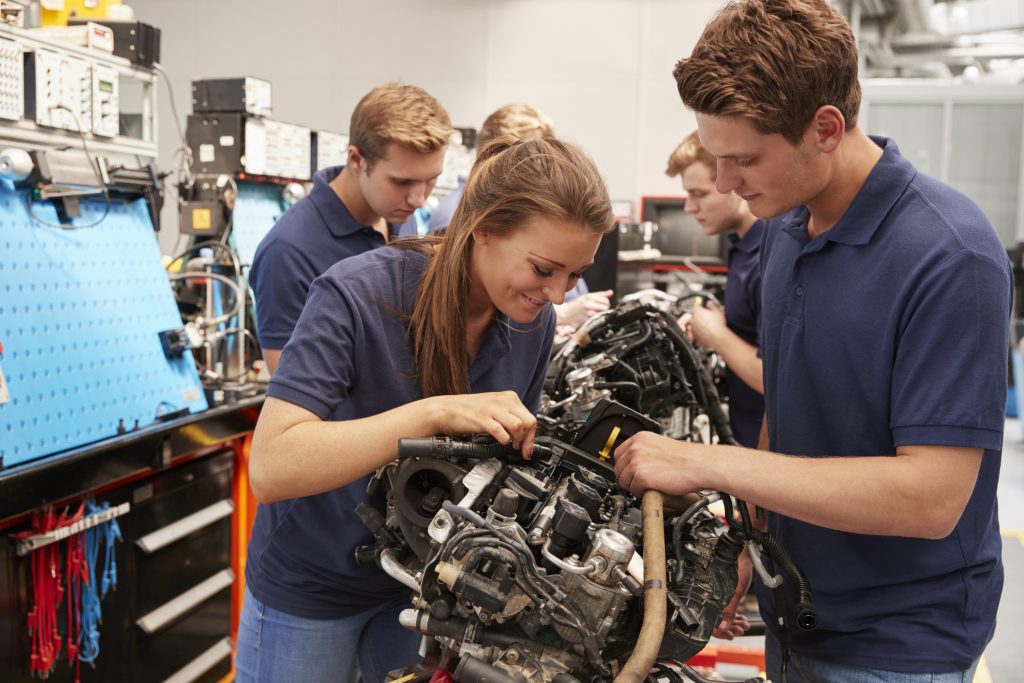
Hands-on training often includes engine inspections, performance testing, diagnostics, and component identification. By learning about multiple types of engines, students gain a broader understanding of the systems they will encounter in professional repair facilities.
Why Engine Knowledge Matters
Understanding engines is one of the most important foundations of automotive repair. While technology continues to evolve, technicians still need a strong understanding of engine design, operation, and performance characteristics.
Whether working on a compact four-cylinder engine, a powerful V8, or a hybrid powertrain, technicians rely on engine knowledge to diagnose problems, perform repairs, and maintain vehicle performance. Learning the differences between major engine types helps students build confidence as they prepare for careers in the automotive industry.
Are you looking for a comprehensive auto mechanic course?
Contact ATC Surrey to learn more about automotive training opportunities and career pathways.
Key Takeaways
- Engines come in a variety of configurations, including inline, V, flat, rotary, hybrid, and electric designs.
- Understanding different types of engines helps technicians perform diagnostics and repairs more effectively.
- Engine design influences maintenance procedures, component access, and repair complexity.
- Technicians identify engine layouts through cylinder arrangement, specifications, and manufacturer information.
- An Automotive Service Technician Foundation program teaches students about traditional and modern powertrain technologies.
- Learning about engine types helps future technicians build a strong foundation for automotive careers.
FAQ
What Are the Main Types of Car Engines?
The main types of car engines include inline engines, V engines, flat engines, rotary engines, hybrid powertrains, and electric vehicle propulsion systems.
Why Do Engine Types Matter for Repair Work?
Engine types matter because their designs influence diagnostics, maintenance procedures, component access, and repair complexity.
How Do Technicians Identify Engine Layout and Design?
Technicians identify engine layout and design by examining cylinder arrangement, engine specifications, manufacturer documentation, and vehicle identification information.
Do Auto Mechanic Courses Cover Different Engine Types?
Yes. Auto mechanic courses teach students about engine operation, configurations, diagnostics, maintenance procedures, and modern powertrain technologies.