Engine Block Heaters Explained: What Technicians Inspect Before Cold Weather
Engine Block Heaters at a Glance: How They Work and What Technicians Check
What does a block heater do? Depending on its design, an engine block heater warms engine coolant or another part of the engine before startup, helping the engine start more readily in very cold conditions. When one stops working, technicians do not automatically replace the heater. They can inspect the plug and cord, verify the power source, check connections, and use electrical measurements to distinguish a failed heating element from an open or damaged circuit.
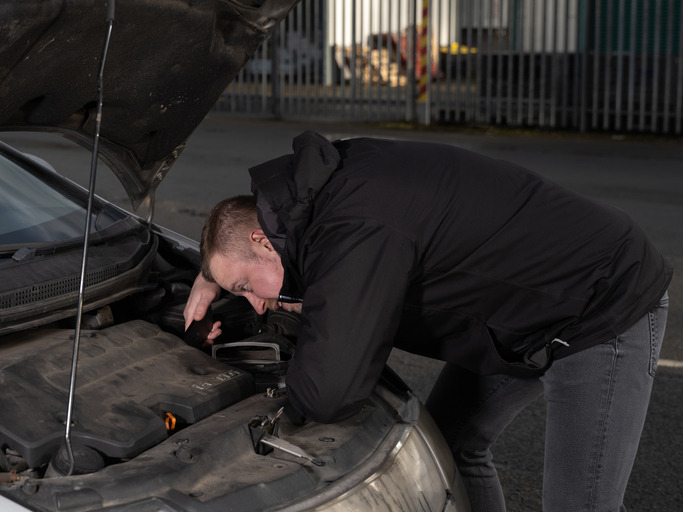
On the first truly cold morning of winter, a driver plugs in the car as usual, only to discover the next morning that the engine is still reluctant to start.
Is the heater burned out? Maybe. But the problem could also be the outlet, plug, block heater cord, connector, or wiring.
For students at our auto mechanic school in Surrey, that makes block heaters a useful introduction to systematic electrical diagnosis: start with the complaint, inspect the circuit, test it, and only then decide what needs repair.
What Does an Engine Block Heater Do?
What does an engine block heater do? It uses electrical energy to warm part of the engine before startup, helping reduce the effects of very low temperatures.
The exact design varies by vehicle. In one common arrangement, an electric heating element warms engine coolant. Ford, for example, describes its system as an element installed in the engine block that warms the coolant, which can improve cold-start performance and allow the climate-control system to respond sooner.
So, how does a block heater work? In simple terms, electrical resistance in the heating element converts electricity into heat. The warmed coolant or engine area means the engine begins a cold start from a less extreme temperature.
For students in our Automotive Service Technician Foundation program, the important point is that the system has more than one component. A functioning heater still needs a sound cord, reliable connections, and a working power supply.
When Should You Plug in a Block Heater?
When should you plug in a block heater? Drivers should follow the recommendations in their vehicle owner’s manual because the temperature threshold and operating instructions can vary by manufacturer and model.
For example, Ford states for some vehicles that the heater is most effective below approximately -18°C. Its current guidance also notes that certain systems reach their maximum temperature after about three hours, so leaving them connected longer does not improve performance and consumes additional electricity.
That should not be treated as a universal three-hour or -18°C rule for every vehicle.
Technicians need to consult vehicle-specific service information. They should also consider the electrical side of the system. Ford recommends a grounded, ground-fault-protected outlet and an appropriate outdoor extension cord, with connections kept clean and dry.
How Do You Know if a Block Heater Is Working?
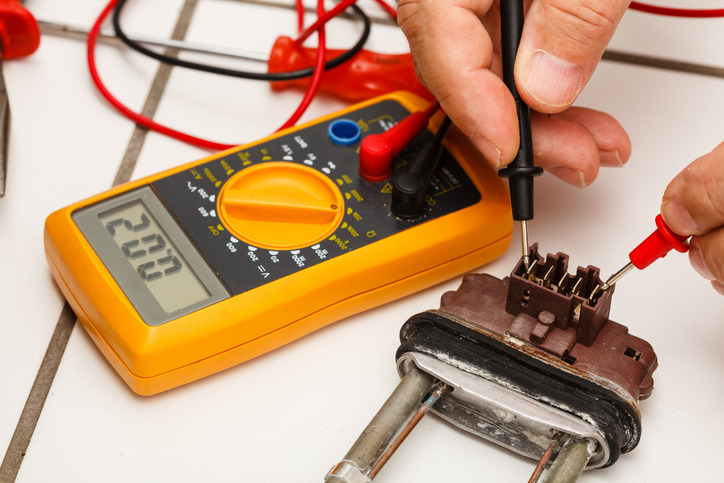
How do you know if a block heater is working? A technician can verify the electrical supply, inspect the cord and connections, and test the heater circuit rather than relying only on whether the engine feels warmer.
This is where knowing how to test block heater problems becomes a diagnostic exercise.
A technician might work through the system logically:
- Confirm the outlet has power.
- Inspect the plug and cord for physical damage.
- Check connections for corrosion, moisture, or signs of overheating.
- Verify continuity through the cord where applicable.
- Measure resistance across the heating element according to service specifications.
- Check for an unwanted path to ground where the service procedure requires it.
An open circuit can indicate a broken conductor or failed heating element. If a detachable cord tests correctly but the element does not, the technician has narrowed the problem considerably.
The lesson for students taking an auto mechanic course is straightforward: electrical measurements can turn “my block heater doesn’t work” into a specific, testable fault.
What Should Technicians Inspect Before Cold Weather?
A fall inspection should pay particular attention to components exposed to repeated handling and winter conditions.
Ford recommends checking the heater cord and extension cord for damage, ensuring terminals are clean and dry, checking that connections are secure, and inspecting the system for proper operation before winter. It also advises checking electrical connections for excessive heat after the system has operated for approximately 30 minutes.
A technician may therefore look for:
- Cracked, cut, or deteriorated cord insulation
- Bent, damaged, or corroded plug terminals
- Loose connectors
- Moisture around electrical connections
- Evidence of overheating or melting
- Incorrect cord routing
- Open circuits through the cord or element
This matters for more than reliable cold starts. Damaged electrical connections can become safety hazards. A previous Ford safety recall, for example, documented block-heater cord connector damage that could cause an inoperative heater, tripped breakers or GFCIs, overheated wiring, or fire.

Can a Damaged Block-Heater Cord Be Repaired?
Can a damaged block-heater cord be repaired? A visibly damaged heater cord should not simply be taped up and returned to service; technicians should follow the manufacturer’s repair procedure, which may specify replacement of the cord or affected assembly.
Ford’s current owner guidance explicitly says not to use damaged engine-block heaters or extension cords.
The distinction is important. A technician may be able to diagnose that the block heater cord, rather than the heating element, has failed. That does not mean an improvised electrical repair is appropriate.
Vehicle-specific service information should determine the correct repair, part, routing, and connection procedure.
That principle extends well beyond the engine block heater. Future technicians need to know when electrical testing can isolate a fault and when safety and manufacturer specifications mean a damaged component should be replaced rather than patched.
Would you like to explore training options at our auto mechanic school in Surrey?
Contact ATC Surrey for more information.
Key Takeaways
- An engine block heater warms engine coolant or another engine component to support cold-weather starting.
- The appropriate temperature and operating time depend on the vehicle, so technicians should consult manufacturer guidance.
- A heater complaint can originate at the outlet, cord, connector, wiring, or heating element.
- Visual inspection should include the plug, insulation, connections, routing, corrosion, moisture, and evidence of overheating.
- Continuity and resistance measurements can help distinguish a damaged cord from a failed heating element.
- Damaged heater cords can create electrical and fire hazards and should not be used.
- Manufacturer service information should determine whether a faulty cord or heater assembly is repaired or replaced.
FAQ
What does an engine block heater do?
An engine block heater uses electricity to warm part of the engine before startup. Depending on the system, this may include warming the engine coolant, helping improve starting performance during very cold weather.
When should you plug in a block heater?
Follow the vehicle manufacturer’s recommendation. The temperature at which a block heater becomes beneficial and the recommended operating time vary by vehicle. Some Ford systems, for example, are most effective below approximately -18°C and reach maximum temperature after roughly three hours.
How do you know if a block heater is working?
Technicians can verify the power source, inspect the plug and cord, check connections, and perform appropriate continuity and resistance tests. This helps distinguish an electrical-supply problem from a damaged cord or failed heater element.
Can a damaged block-heater cord be repaired?
Do not use a damaged block-heater cord. The correct service action depends on the vehicle and nature of the damage, so technicians should follow manufacturer procedures rather than making an improvised repair.