

Quebec Winter Traction: What Stability Control Is Doing on Snow and Ice
In Brief: Electronic Stability Control on Snow
Electronic stability control (ESC) helps prevent loss of directional control by selectively applying the brakes and adjusting engine power when a vehicle begins to skid. On Quebec’s snowy and icy roads, the system can help drivers maintain their intended path, although its effectiveness depends on available tire grip. Automotive technicians need to understand ESC operation, warning indicators, and the sensors and braking components involved in diagnosing faults.
Quebec winters can turn an ordinary drive into a test of vehicle control. An icy intersection, a snow-covered bend, or a sudden change in road grip may cause a vehicle to slide off course. Electronic stability control helps manage these situations by detecting developing skids and making corrective adjustments.
For automotive technicians, understanding what happens during those few seconds is essential. A flashing dashboard indicator may simply mean the system is working, while a persistent warning could indicate a fault. Knowing how to interpret these signals helps technicians diagnose problems and explain vehicle safety concerns to customers.
How Does Electronic Stability Control Work on Snow and Ice?
ESC continuously compares the driver’s intended direction with the vehicle’s actual movement. It uses wheel speed, steering angle, and yaw-rate sensors to recognize when the vehicle begins to lose directional stability.
When a skid develops, the system can selectively brake individual wheels and reduce engine torque to help correct the vehicle’s path.
Consider a car turning onto a snow-covered street. If the front wheels slide outward instead of following the steering input, ESC may intervene to help reduce understeer. When the rear of the vehicle begins swinging outward, the system can apply a different braking strategy to counter oversteer.
These corrections happen quickly, often before the driver fully recognizes the problem. However, ESC cannot create traction where little grip exists, making appropriate tires and safe driving speeds essential.
What Is the Difference Between Traction Control and Stability Control?
Both systems help drivers manage slippery conditions, but they respond to different problems. Traction control limits excessive wheelspin during acceleration. If a driven wheel begins spinning on ice, the system may reduce engine power or apply braking to improve usable traction.
ESC addresses directional stability. It monitors whether the vehicle is following the driver’s steering input and responds when understeer or oversteer develops.
Understanding traction control vs. stability control helps technicians identify which system may be responsible for a customer’s complaint. Explore our programs to learn about career-focused training. Students interested in emerging vehicle technologies can also explore our hybrid and electrical mechanic training.
| System | Main function | Winter example |
|---|---|---|
| Traction control | Limits wheelspin | Pulling away from an icy intersection |
| Stability control | Helps correct skidding | Sliding through a snow-covered corner |
| ABS | Helps prevent wheel lock during braking | Braking hard on a slippery road |
Why Does the ESC Warning Light Flash on Slippery Roads?
A flashing ESC indicator usually means the system is actively responding to reduced traction or a developing skid. This is generally normal when driving on snow or ice. A warning that remains illuminated is different. Depending on the vehicle, it may indicate that stability control has been switched off or that the system has detected a malfunction.
When a customer reports an ESC light on continuously, technicians should consult manufacturer information and retrieve diagnostic trouble codes before drawing conclusions. A persistent stability control warning light may be associated with faulty wheel speed sensors, steering angle sensor problems, wiring faults, or issues within the ABS system.
What Should Technicians Inspect When ESC Problems Occur?
Diagnosing ESC concerns requires more than checking the dashboard indicator. Technicians must understand how the vehicle’s braking, steering, and electronic systems communicate.
Important inspection areas include:
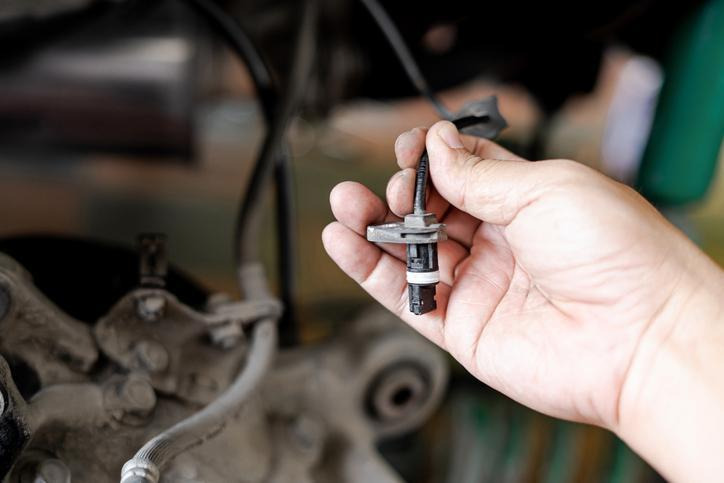
- Wheel speed sensors: Damaged sensors or inconsistent readings can affect ESC operation.
- Steering angle and yaw sensors: Incorrect signals may interfere with the system’s ability to recognize skidding.
- ABS and braking components: ESC depends on properly functioning brakes to make corrective adjustments.
- Tires: Uneven sizes, incorrect pressure, and worn tread can affect traction and sensor readings.
- Diagnostic data: Trouble codes and live sensor information help identify potential faults.
Auto mechanic school students can develop the mechanical and diagnostic knowledge needed to understand these interconnected systems.
Why Are Winter Tires Still Important When a Vehicle Has ESC?
Even the most advanced car stability control system depends on tire grip. If the tires cannot generate enough traction, ESC has limited ability to correct the vehicle’s movement. Worn tread, unsuitable tires, and incorrect pressure can reduce steering and braking performance on slippery surfaces.
Quebec requires most motor vehicles registered in the province to use compliant winter tires from December 1 to March 15, subject to applicable exceptions. Technicians should therefore include tire condition and suitability when assessing winter vehicle safety. Transport Canada’s winter driving guidance also emphasizes adjusting speed and driving behaviour to road conditions.

Build Your Automotive Diagnostic Skills at ATC Montreal
ESC shows how closely vehicle safety depends on mechanical components and electronic technology. Understanding these connections helps technicians diagnose faults and communicate their findings clearly.
Would you like to explore training opportunities at our automotive school?
Contact ATC Montreal for more information.
Key Takeaways
- Electronic stability control helps reduce skidding by selectively applying braking force and adjusting engine power.
- Traction control limits wheelspin during acceleration, while ESC helps maintain directional stability.
- A flashing ESC indicator usually signals normal intervention; a persistent warning may indicate a fault or disabled system.
- Technicians inspect sensors, ABS components, tires, and diagnostic data when investigating stability control problems.
- Winter tires remain essential because ESC cannot overcome the physical limits of available traction.
Frequently Asked Questions
What does electronic stability control do on snow?
ESC monitors vehicle movement and compares it with the driver’s steering input. If the vehicle begins to skid, the system can selectively brake individual wheels or reduce engine power to help maintain directional stability. Its effectiveness depends on available tire grip.
Is traction control the same as stability control?
No. Traction control primarily limits wheelspin during acceleration, while stability control helps correct understeer and oversteer. Both systems may use braking and engine torque adjustments, but they address different vehicle control problems.
Why does the ESC warning light flash on slippery roads?
A flashing ESC indicator usually means the system is responding to reduced traction or a developing skid. This is generally normal on slippery roads. A warning that stays illuminated may indicate a disabled system or a malfunction requiring diagnosis.
Can worn tires affect stability-control performance?
Yes. ESC relies on traction between the tires and the road. Worn tread, incorrect tire pressure, or unsuitable tires can limit the effectiveness of stability-control interventions, particularly on snow and ice.


