Dyno Tuning Explained: What Technicians Learn From Performance Testing
TL;DR
A dyno tune uses a dynamometer to measure vehicle performance and evaluate how engine adjustments affect power, torque, and engine operation. While many people associate dyno tuning with performance vehicles, dynamometer testing also helps technicians diagnose issues, verify repairs, and analyze vehicle performance. Understanding dyno tuning introduces students to the relationship between engine operation, data analysis, and vehicle performance.
A dyno tune is one of the most recognized tools in the performance automotive world. Whether evaluating horsepower gains, diagnosing drivability concerns, or verifying modifications, dynamometer testing provides valuable information that technicians cannot obtain from a simple road test alone.
For students interested in performance diagnostics and advanced vehicle systems, learning how dynamometers work helps build a stronger understanding of engine performance and data-driven decision-making.
What is a Dyno Tune?
What is dyno tuning? Dyno tuning is the process of using a dynamometer to measure vehicle performance and adjust engine parameters for improved operation, efficiency, or power output.
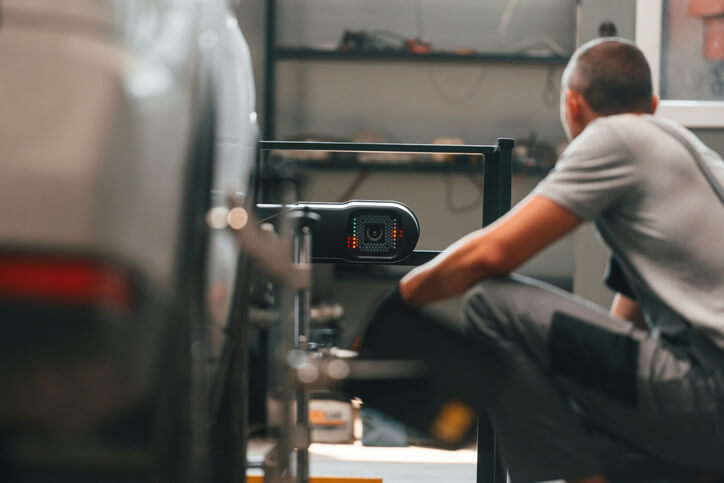
A dynamometer allows technicians to run a vehicle under controlled conditions while collecting performance data. During a dyno tune, technicians may monitor horsepower, torque, air-fuel ratios, ignition timing, boost pressure, and other critical engine parameters.
Rather than relying on assumptions, dyno car tuning provides measurable results that help technicians understand how engine changes affect overall performance. Dynamometers provide valuable data about vehicle performance and engine output.
What Does a Dynamometer Measure?
A dynamometer measures engine or vehicle output, including horsepower, torque, speed, and performance characteristics under load.
There are several types of dynamometers. Engine dynamometers test engines independently, while chassis dynamometers measure performance through the vehicle’s driven wheels.
During dynamometer tuning, technicians can observe how an engine performs across different operating conditions. This data helps identify inefficiencies, verify repairs, and evaluate the effectiveness of modifications.
For students at our auto mechanic school in Surrey, understanding how performance data is generated helps connect classroom theory with real-world vehicle operation.
Why Do Technicians Need Dyno Testing?
Technicians use dyno testing to measure performance, diagnose problems, verify repairs, and evaluate tuning changes under controlled conditions.
A road test can provide useful information, but environmental conditions often vary. A tuning dyno allows technicians to test a vehicle and repeatedly collect accurate performance data.
Common uses for dyno testing include:
- Measuring horsepower and torque
- Evaluating engine modifications
- Diagnosing performance issues
- Verifying engine repairs
- Analyzing fuel and ignition adjustments
Because testing occurs in a controlled environment, technicians can make informed decisions based on measurable results rather than guesswork.
Is Performance Testing Useful for Automotive Service Training?
Yes. Performance testing helps students understand vehicle systems, engine operation, diagnostics, and data analysis.
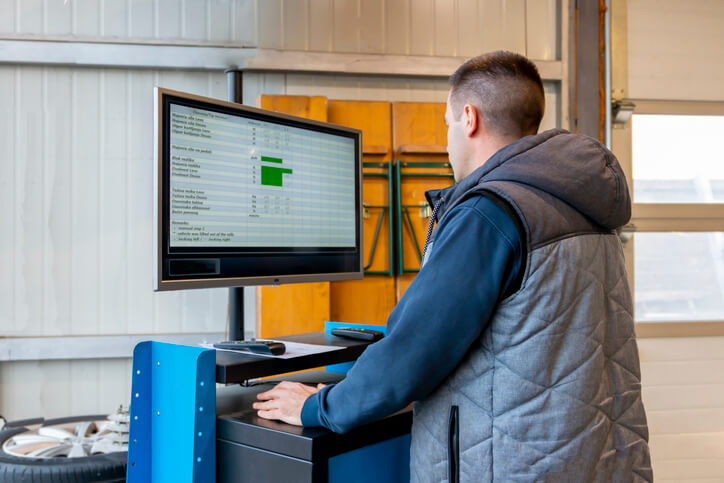
Modern technicians rely increasingly on diagnostic information to solve problems. Understanding how engines respond to changes in fuel delivery, ignition timing, airflow, and load conditions strengthens diagnostic skills.
Students enrolled in our Automotive Service Technician Foundation program learn that successful repairs often depend on interpreting data correctly. Dyno testing provides a practical example of how performance measurements can guide technical decisions.
Many students pursuing an auto mechanic course also find that exposure to performance testing expands their understanding of modern automotive technology beyond basic repair procedures.
Why Dyno Knowledge Matters for Future Technicians
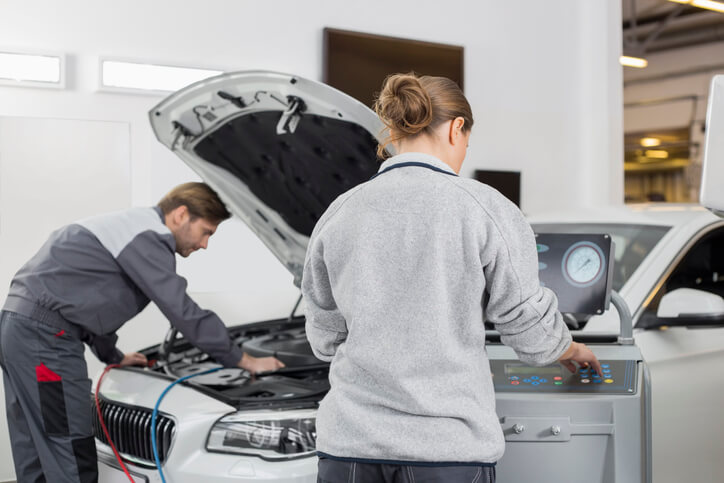
Not every technician will perform professional dyno tuning, but understanding how dynamometers work remains valuable. Performance testing demonstrates how data can be used to evaluate vehicle operation, verify repairs, and improve engine performance.
As vehicles become increasingly dependent on electronic controls and advanced engine management systems, technicians who understand performance analysis are often better equipped to diagnose complex issues and support a wide range of automotive service needs.
Are you interested in pursuing an auto mechanic course?
Contact ATC Surrey for more information.
Key Takeaways
- A dyno tune uses a dynamometer to measure vehicle performance and evaluate engine adjustments.
- Dynamometer tuning provides data on horsepower, torque, and engine operation.
- A dynamometer measures performance under controlled testing conditions.
- Technicians use dyno tuning to diagnose problems, verify repairs, and evaluate modifications.
- Students in an Automotive Service Technician Foundation program benefit from understanding performance analysis.
- Performance testing helps technicians make data-driven diagnostic and repair decisions.
FAQ
What Is Dyno Tuning?
Dyno tuning is the process of using a dynamometer to measure vehicle performance and adjust engine parameters for improved operation, efficiency, or power output.
What Does a Dynamometer Measure?
A dynamometer measures engine or vehicle output, including horsepower, torque, speed, and performance characteristics under load.
Why Do Technicians Use Dyno Testing?
Technicians use dyno testing to measure performance, diagnose problems, verify repairs, and evaluate tuning changes under controlled conditions.
Is Performance Testing Useful for Automotive Service Training?
Yes. Performance testing helps students understand vehicle systems, engine operation, diagnostics, and data analysis.