DoIP Diagnostics 101: Automotive Ethernet for Modern Technicians
TL;DR
DoIP diagnostics (Diagnostics over IP) allows technicians to communicate with vehicle modules using automotive Ethernet instead of traditional CAN systems. Built around ISO 13400 standards, diagnostics over IP supports faster programming, advanced ADAS calibration, and software-driven vehicle systems. Understanding this technology is becoming essential for modern auto careers.
Modern vehicles are no longer just mechanical machines. They are complex digital networks powered by high-speed communication systems.
Advanced driver-assistance systems (ADAS), hybrid platforms, infotainment modules, and over-the-air updates all depend on rapid data exchange between electronic control units (ECUs). That shift is why DoIP diagnostics and automotive Ethernet are becoming standard across the industry.
For anyone considering training at an auto mechanic school, understanding diagnostics over IP is now part of the technical foundation required to work on modern vehicles.
What Is DoIP and Why Are Carmakers Moving to Ethernet?
DoIP diagnostics stands for Diagnostics over Internet Protocol. Instead of relying exclusively on CAN (Controller Area Network), newer vehicles use automotive Ethernet to transmit diagnostic data at significantly higher speeds.
This system is governed by ISO 13400, the international standard that defines how diagnostics over IP functions in road vehicles.
Carmakers are transitioning to automotive Ethernet for several key reasons:
- Higher bandwidth to support ADAS, cameras, radar, and sensors
- Faster module flashing and ECU programming
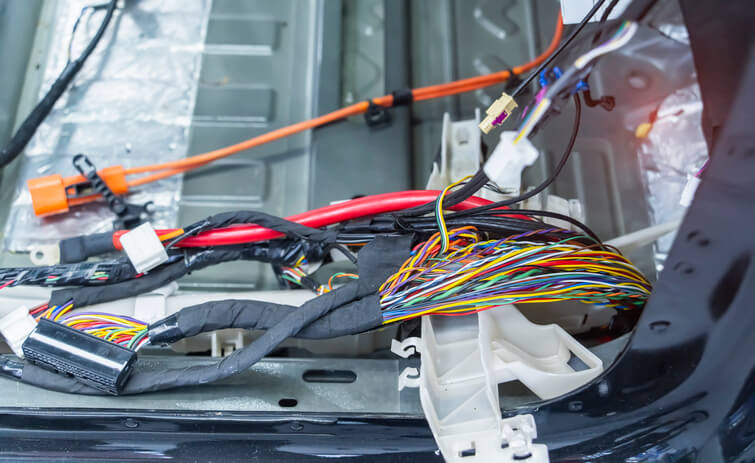
- More centralized vehicle network architecture
- Improved scalability for software-based vehicle platforms
Traditional CAN networks are reliable and still widely used. However, their bandwidth limitations make them less suitable for data-heavy systems. Automotive Ethernet solves this by enabling high-speed, IP-based communication throughout the vehicle.
As vehicles evolve into software-driven platforms, governments are also adapting regulatory frameworks. Transport Canada’s overview of connected and automated vehicles outlines how Canada is preparing for increasingly networked vehicle systems.
How Does ISO 13400 Shape Diagnostics Over IP?
ISO 13400 provides the framework that standardizes diagnostics over IP across manufacturers.
This standard defines:
- Communication protocols between diagnostic tools and vehicle ECUs
- Data transport structure over Ethernet
- Session control and error handling
- Security considerations
By standardizing how DoIP diagnostics operate, ISO 13400 ensures compatibility and consistency across platforms.
For technicians, this means that working with an Ethernet scan tool requires understanding not only mechanical systems but also network communication principles. Vehicles are increasingly treated like structured networks, and technicians must adapt accordingly.
Students enrolled in our automotive school program benefit from exposure to these evolving technologies, ensuring they understand both legacy and emerging systems.
What Tools Do Techs Need for DoIP Diagnostics?
Working with DoIP diagnostics requires updated hardware and software.
Technicians typically need:
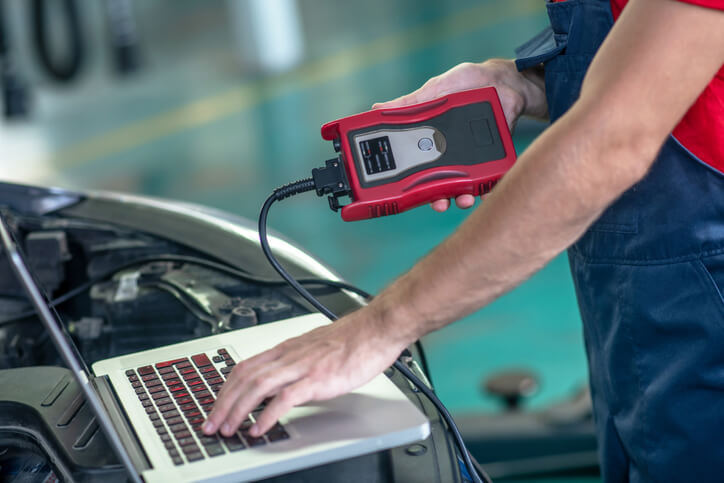
- An Ethernet scan tool compatible with ISO 13400
- Manufacturer-approved diagnostic software
- Secure gateway access where applicable
- Stable shop network connectivity
Unlike traditional OBD-II scanners that rely on CAN communication, Ethernet-based systems operate using IP addressing and network protocols. This changes how technicians connect to, program, and update vehicle systems.
Modern workshops increasingly encounter vehicles built on automotive Ethernet architecture. Technicians trained in diagnostics over IP are better prepared to handle software flashing, ADAS calibration, and module replacement procedures.
Training at an automotive school provides structured, hands-on exposure to these tools, helping students prepare for evolving auto careers in dealerships and independent repair facilities.
What’s the Difference Between CAN and Ethernet in Diagnostics?
Understanding the difference between CAN and Ethernet is essential for modern technicians.
CAN Networks
- Lower bandwidth communication
- Designed for reliable module-to-module messaging
- Common in older and many current vehicles
- Limited scalability for high-data systems
Automotive Ethernet Networks
- Significantly higher bandwidth
- IP-based communication (diagnostics over IP)
- Designed to support ADAS and data-intensive systems
- Enables faster software updates and programming
While CAN remains important, automotive Ethernet represents the direction of vehicle architecture. Technicians who understand both systems are better positioned for long-term success.
Students at our auto mechanic school gain exposure to these technologies as part of broader automotive training, helping them stay aligned with industry standards.
Preparing for the Future of Auto Careers
Vehicle technology will continue to evolve toward software-defined platforms. As a result, DoIP diagnostics and automotive Ethernet will become increasingly common in everyday service environments.
Technicians who understand ISO 13400 standards, Ethernet scan tools, and diagnostics over IP systems strengthen their adaptability in a competitive field.
Interested in building skills that align with modern vehicle technology? Explore auto mechanic programs at ATC and discover how structured training can equip you with all the knowledge and skills you need to excel.
Are you considering auto careers?
Contact ATC Montreal for more information.
Key Takeaways
- DoIP diagnostics uses automotive Ethernet for high-speed communication.
- ISO 13400 standardizes diagnostics over IP in road vehicles.
- Ethernet scan tools are essential for servicing modern platforms.
- Automotive Ethernet supports ADAS and advanced vehicle systems.
- Training at an auto mechanic school helps prepare students for evolving technology.
FAQ
What is DoIP and why are carmakers moving to Ethernet?
DoIP diagnostics allows vehicles to transmit diagnostic data using automotive Ethernet instead of traditional CAN systems. Carmakers are moving to Ethernet because it supports higher data speeds, advanced driver systems, and faster software updates.
What tools do techs need for DoIP diagnostics?
Technicians need an Ethernet scan tool compatible with ISO 13400, updated diagnostic software, and proper network connectivity. These tools allow communication with IP-based vehicle systems.
What’s the difference between CAN and Ethernet in diagnostics?
CAN operates at lower data speeds and supports traditional module communication. Ethernet provides higher bandwidth, supports diagnostics over IP, and is designed for modern, software-intensive vehicle architectures.