
Direct Injection Engines: What New Mechanics Should Know
TL;DR: A Quick Summary of Direct Injection Engines
A direct injection engine delivers fuel directly into the combustion chamber instead of the intake port. This design can improve fuel efficiency, power, and emissions, but it also introduces unique maintenance and diagnostic challenges. Understanding how direct injection works helps future technicians confidently service modern gasoline engines.
Open the hood of many modern vehicles, and technicians may find a direct-injection engine. This technology has become common because it helps manufacturers improve fuel economy, increase power, and reduce emissions without increasing engine size.
For future automotive technicians, understanding direct injection is about more than knowing where the fuel goes. It means learning how high-pressure fuel systems operate, why they require different diagnostic procedures, and what service challenges technicians are most likely to encounter in the shop.
What Is a Direct Injection Engine?
A direct-injection engine sprays fuel into the combustion chamber at very high pressure rather than into the intake manifold.
Unlike older port fuel injection systems, a gasoline direct injection engine places the injector inside the cylinder head, allowing the engine control module to deliver fuel with exceptional precision.
This design offers several benefits, including:
- Improved fuel efficiency
- Better throttle response
- Increased engine power
- Lower exhaust emissions
Students attending an auto mechanic school learn how modern fuel systems combine mechanical components with electronic controls to optimize engine performance.
Direct injection systems use high-pressure fuel delivery for improved engine performance.
How Is Direct Injection Different From Older Fuel Systems?
Direct injection delivers fuel directly into the combustion chamber, while older port injection systems spray fuel into the intake ports before it enters the cylinder.
Because engine direct injection operates under much higher fuel pressure, it requires specialized components such as:
- High-pressure fuel pumps
- Precision injectors
- Advanced engine control modules
- High-pressure fuel rails
One important difference is that intake valves receive less fuel washing action than they do in port injection systems. Over time, this can contribute to carbon buildup on intake valves in some direct-injected engines.
What Service Issues Can Direct Injection Engines Have?
Direct injection engines may experience carbon buildup, injector concerns, fuel pressure issues, or sensor-related faults.
Some common service concerns include:
- Carbon deposits on intake valves
- High-pressure fuel pump wear
- Injector performance problems
- Fuel pressure sensor faults
- Check engine light illumination
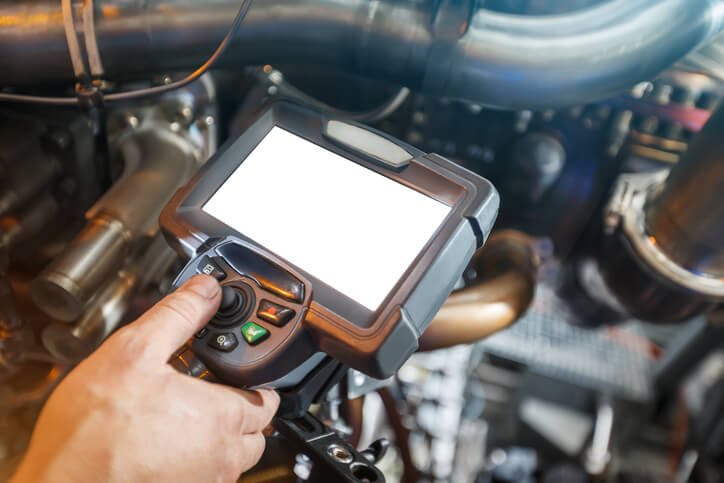
Technicians diagnose these issues using scan tools, manufacturer service information, fuel pressure testing, and visual inspections. Proper diagnosis is essential because many symptoms can resemble ignition or air intake problems.
Do Mechanic Programs Teach Fuel Injection Systems?
Yes. Modern automotive programs introduce students to fuel injection systems, engine management, electronic diagnostics, and evolving vehicle technologies.
Through hands-on automotive training, students learn how fuel delivery, ignition timing, sensors, and engine control modules work together to optimize performance. They also gain experience using scan tools and service information to troubleshoot common fuel-system concerns.
As manufacturers continue developing more advanced gasoline engines, understanding direct injection technology helps future technicians prepare for a wide variety of repair situations.

Preparing for Modern Automotive Careers
Direct injection technology has become common on many gasoline-powered vehicles because it offers significant improvements in efficiency and performance. For technicians, however, it also introduces new diagnostic procedures and maintenance considerations.
By learning how a direct injection engine works, students build a stronger understanding of modern automotive technology and develop practical skills that support long-term success in various auto careers.
Are you Interested in exploring training opportunities at our auto mechanic school?
Contact ATC Toronto for more information.
Key Takeaways
- A direct injection engine sprays fuel directly into the combustion chamber.
- A gasoline direct injection engine improves power, efficiency, and emissions performance.
- Direct injection systems operate with high-pressure fuel components and advanced electronic controls.
- Carbon buildup on intake valves is one maintenance concern for some direct-injected engines.
- Diagnostic skills are essential when servicing modern fuel systems.
- Hands-on automotive training prepares students to work on today’s engine technologies.
FAQ
What Is a Direct Injection Engine?
A direct injection engine delivers fuel directly into the combustion chamber using high-pressure injectors for improved performance and efficiency.
How Is Direct Injection Different From Older Fuel Systems?
Direct injection sprays fuel into the combustion chamber, while older port injection systems deliver fuel into the intake ports before combustion.
What Service Issues Can Direct Injection Engines Have?
Common concerns include carbon buildup, injector faults, high-pressure fuel system problems, and sensor-related issues.
Do Mechanic Programs Teach Fuel Injection Systems?
Yes. Automotive programs teach students about modern fuel injection systems, engine management, diagnostics, and fuel-system service procedures.