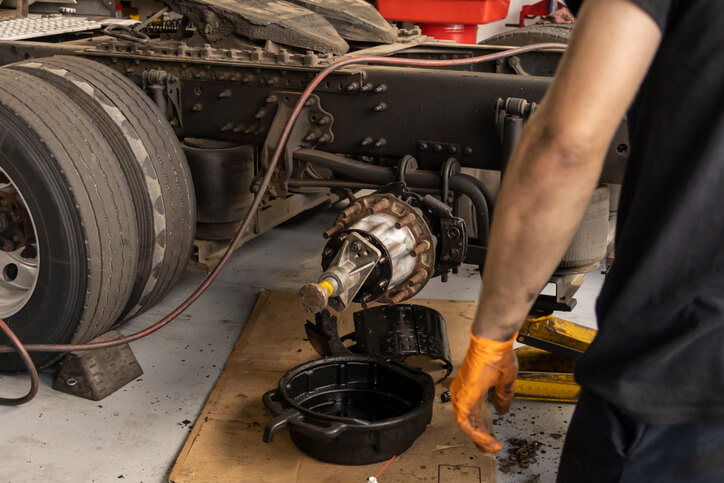
Differential Fluid: What It Does, When to Change It, and Common Symptoms
TL;DR
Differential fluid lubricates the gears that allow your wheels to rotate at different speeds, especially during turns. Over time, the fluid breaks down or becomes contaminated, leading to noise, vibration, and potential damage. Regular differential fluid changes help protect drivetrain components and maintain smooth operation.
When a vehicle turns, the inside and outside wheels rotate at different speeds. That smooth, controlled motion is made possible by the differential, a component that quietly manages power distribution in the drivetrain.
At the centre of that system is differential fluid, a specialized lubricant that keeps gears protected under high load. While it often goes unnoticed, this fluid plays a critical role in long-term drivetrain reliability.
For students looking to enter the trade in the near future, understanding how the differential works and how fluid condition affects it is an important part of drivetrain diagnostics.
What Does a Differential Do, and Why Does Fluid Matter?
To understand what a differential does, imagine a vehicle taking a corner. The outer wheel must travel a greater distance than the inner wheel, which means it must rotate faster.
The differential allows this speed difference while still delivering power to both wheels.
Inside the differential, a set of gears constantly mesh and rotate under load. Without proper lubrication, these gears would quickly overheat and wear out.
This is where differential fluid comes in.
It:
- Reduces friction between gear surfaces
- Dissipates heat generated under load
- Protects against metal wear and pitting
In many vehicles, especially trucks and rear-wheel-drive systems, rear differential fluid is subjected to significant stress, making maintenance even more important.
What Is Differential Fluid and How Is It Different from Other Fluids?
What is differential fluid? To understand this question, it helps to compare it to engine oil or transmission fluid.
Differential fluid, often referred to as differential oil, is thicker and designed to handle extreme pressure between gear teeth. It contains additives that help maintain lubrication even under heavy loads.
Unlike engine oil, which deals with combustion byproducts, differential fluid is focused on gear protection. However, over time, it can still degrade due to heat and contamination. This is why regular differential fluid change intervals are recommended as part of routine maintenance.

When Should Differential Fluid Be Changed?
There is no one-size-fits-all interval, but most manufacturers recommend changing differential fluid between 50,000 and 100,000 kilometres.
However, several factors can shorten this interval.
Vehicles that are used for:
- Towing or hauling heavy loads
- Off-road driving
- Frequent stop-and-go use
may require more frequent service.
Technicians often check the fluid condition during inspections. Dark, metallic, or burnt-smelling fluid is a clear sign that service is overdue.
Students in our automotive service technician program learn to evaluate these signs and recommend service based on real-world conditions rather than mileage alone.
What Symptoms Indicate Low or Contaminated Differential Fluid?
Unlike engine issues, differential problems often develop quietly until they become severe.
One of the first signs is a whining or humming noise coming from the rear of the vehicle, especially during acceleration or deceleration. This noise often indicates worn gears due to insufficient lubrication.
Drivers may also notice vibration or a feeling of resistance when turning. In some cases, fluid leaks around the differential housing can point to low fluid levels.
As the condition worsens, gear damage can lead to more pronounced noise or even failure of the differential itself. Recognizing these symptoms early is critical. What begins as a simple fluid issue can quickly turn into a major repair if ignored.
Is Differential Service Different for AWD Systems?
Not all differentials are the same. Front-wheel-drive vehicles, rear-wheel-drive vehicles, and all-wheel-drive systems each have unique configurations.
In AWD systems, there may be multiple differentials along with a transfer case. Each component may require its own type of fluid and service interval.
This adds complexity to maintenance, as technicians must ensure the correct fluid is used in each component. For students taking an auto mechanic course, learning these differences is essential. Modern drivetrains require careful attention to specifications and service procedures.
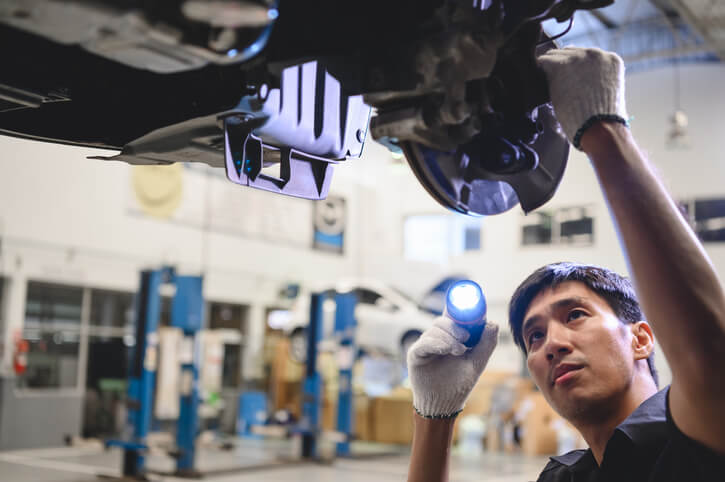
Why Differential Fluid Knowledge Matters for Technicians
Drivetrain issues are often expensive to repair, which is why preventive maintenance plays such a critical role.
Understanding how differential fluid works and how to identify early warning signs helps technicians prevent damage before it occurs.
This knowledge also strengthens diagnostic skills. Many noises or vibrations that seem complex can often be traced back to a fluid condition. For those pursuing long-term automotive careers, mastering these fundamentals builds a strong foundation for more advanced drivetrain and powertrain diagnostics.
Would you like to explore programs at our auto mechanic school in Surrey?
Contact ATC Surrey for more information.
Key Takeaways
- Differential fluid lubricates gears and prevents wear under load.
- It plays a critical role in allowing wheels to rotate at different speeds.
- Fluid should be changed regularly based on driving conditions and usage.
- Noise, vibration, and leaks are common signs of fluid-related issues.
- AWD systems may require multiple fluid services across different components.
FAQ
What does differential fluid do in a vehicle?
Differential fluid lubricates the gears inside the differential, reduces friction, and helps manage heat during operation.
How often should differential fluid be changed for FWD/RWD/AWD vehicles?
Most vehicles require service every 50,000 to 100,000 kilometres, but AWD systems and heavy-use vehicles may need more frequent changes.
What symptoms can point to low or contaminated differential fluid?
Common symptoms include whining noises, vibration during driving, and visible fluid leaks from the differential housing.
Is differential service different for AWD systems and transfer cases?
Yes. AWD systems often include multiple differentials and a transfer case, each requiring specific fluids and service procedures.