Differential Basics: How Power Gets From the Engine to the Wheels
TL;DR
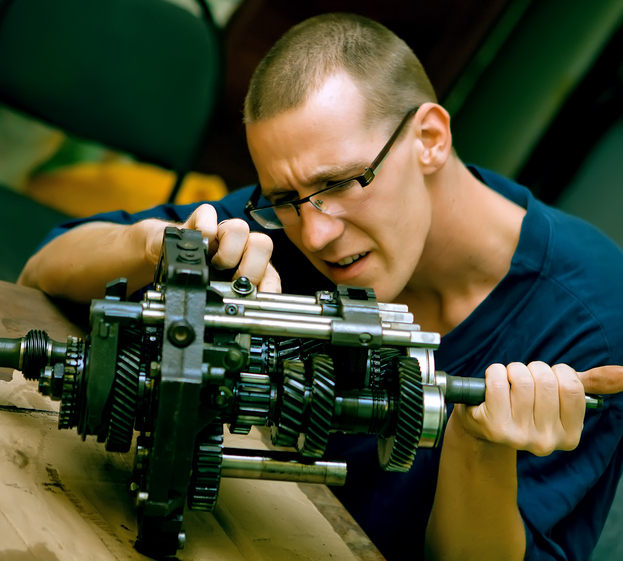
A differential is a driveline component that transfers power from the engine to the wheels while allowing them to rotate at different speeds during turns. Understanding the differential meaning helps future technicians diagnose driveline concerns, identify wear patterns, and perform proper inspections. Whether working on passenger vehicles, trucks, or SUVs, automotive technicians regularly encounter differential systems during maintenance and repair procedures.
Modern vehicles rely on many components to transfer power from the engine to the road. While engines and transmissions often receive the most attention, the car differential plays an equally important role in vehicle performance and handling.
For students entering the automotive industry, understanding how power moves through the driveline helps build a stronger foundation for future diagnostic work. Learning how a differential functions also makes it easier to understand why certain driveline problems occur and how technicians identify them.
What Does a Differential Do?
What does a differential do? A differential transfers power to the drive wheels while allowing each wheel to rotate at different speeds when a vehicle turns.
When a vehicle travels around a corner, the outside wheel must travel a greater distance than the inside wheel. If both wheels were forced to rotate at the same speed, turning would be difficult, and tire wear would increase significantly.
This is the basic differential meaning in automotive systems. By allowing speed differences between the wheels, the differential helps maintain traction, improve handling, and reduce stress on driveline components.
Students in our Automotive Service Technician Foundation program discover that understanding these basic mechanical principles makes advanced diagnostics easier later in their training. Differentials help distribute power to the drive wheels while allowing smooth turns.
Why Do Vehicles Need a Differential?
Why do vehicles need a differential? Vehicles need a differential because the drive wheels must rotate at different speeds during turns to maintain proper handling and reduce drivetrain stress.
The differential in automobile systems solves a problem created by vehicle geometry. During a turn, the outside wheel follows a larger arc than the inside wheel. Without a differential, one tire would need to slip to compensate for the difference in travel distance.
This would lead to:
- Increased tire wear
- Poor handling
- Additional stress on axles and driveline components
- Reduced driving comfort
Whether the vehicle uses front-wheel drive, rear-wheel drive, or all-wheel drive, some form of differential is used to manage wheel-speed differences while transmitting power efficiently.
What Are Signs of Differential Problems?
What are the signs of differential problems? Common signs of differential problems include whining noises, grinding sounds, vibrations, fluid leaks, and unusual tire wear.
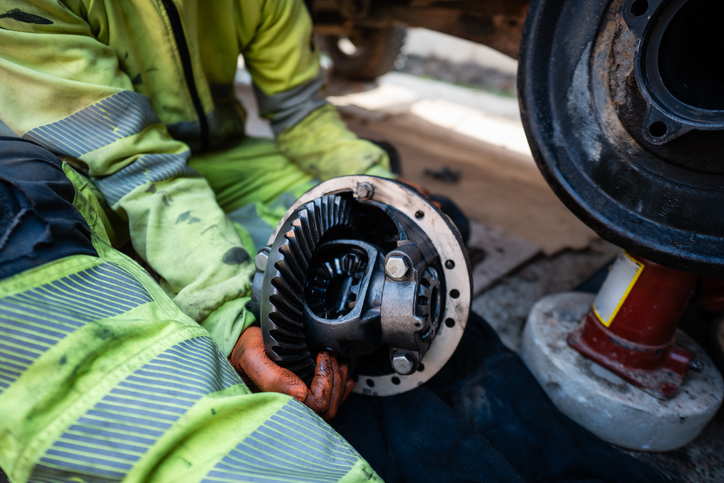
Because the auto differential contains gears, bearings, seals, and lubricants, these components can wear over time. When wear occurs, drivers may notice noises that change with vehicle speed or become more noticeable during acceleration and deceleration.
Technicians often investigate symptoms such as:
- Gear whining or humming
- Clunking during acceleration
- Fluid leaks around the differential housing
- Excessive driveline vibration
- Abnormal tire wear patterns
Recognizing these symptoms early can help prevent more extensive repairs and reduce the risk of component failure. Inspecting differential components helps prevent driveline problems and premature wear.
Do Automotive Service Technicians Inspect Driveline Components?
Do automotive service technicians inspect driveline components? Yes. Automotive service technicians routinely inspect driveline components as part of vehicle maintenance, diagnosis, and repair procedures.
During inspections, technicians may examine:
- Differential housings
- Axles
- Universal joints
- CV joints
- Driveshafts
- Differential fluid condition
- Seals and bearings
Students at our auto mechanic school in Surrey learn that driveline inspections often begin with customer concerns such as vibrations, unusual noises, or handling issues. Understanding how the car differential interacts with other driveline components helps technicians identify the root cause of problems more efficiently.
As vehicles become more advanced, strong knowledge of mechanical fundamentals remains essential for accurate diagnosis and repair. Understanding power transfer systems is an important part of automotive training.
Why Understanding Differentials Matters
The differential may not be as visible as an engine or transmission, but it plays a critical role in how vehicles operate. Without it, smooth turning, proper traction, and efficient power transfer would not be possible.
For future technicians, understanding differential operation builds a stronger understanding of driveline systems as a whole. These fundamentals support future learning in diagnostics, repair procedures, and vehicle performance analysis.
Are you looking for a comprehensive auto mechanic course?
Contact ATC Surrey for more information.
Key Takeaways
- A differential allows drive wheels to rotate at different speeds during turns.
- Understanding the differential meaning helps explain how vehicles maintain traction and handling.
- A differential in automobile systems reduces tire wear and driveline stress.
- Common signs of differential problems include noises, vibrations, fluid leaks, and unusual tire wear.
- Automotive technicians regularly inspect differentials and other driveline components.
- Learning about the auto differential helps students build stronger diagnostic skills.
FAQ
What Does a Differential Do?
A differential transfers power to the drive wheels while allowing each wheel to rotate at different speeds when a vehicle turns.
Why Do Vehicles Need a Differential?
Vehicles need a differential because the drive wheels must rotate at different speeds during turns to maintain proper handling and reduce drivetrain stress.
What Are Signs of Differential Problems?
Common signs of differential problems include whining noises, grinding sounds, vibrations, fluid leaks, and unusual tire wear.
Do Automotive Service Technicians Inspect Driveline Components?
Yes. Automotive service technicians routinely inspect driveline components as part of vehicle maintenance, diagnosis, and repair procedures.