Diagnostic Trouble Codes (DTCs) Explained: How Mechanics Turn Codes Into Real Fixes
TL;DR
Understanding diagnostic trouble codes is essential for modern automotive diagnostics. Codes provide clues, not answers, so technicians must interpret data, test components, and confirm root causes. This structured approach is a core skill taught in auto mechanic school and is critical for accurate, efficient repairs.
Understanding diagnostic trouble codes is one of the most important skills for anyone training to become an automotive service technician. While these codes are often the first clue in diagnosing a problem, they rarely point directly to a single faulty part.
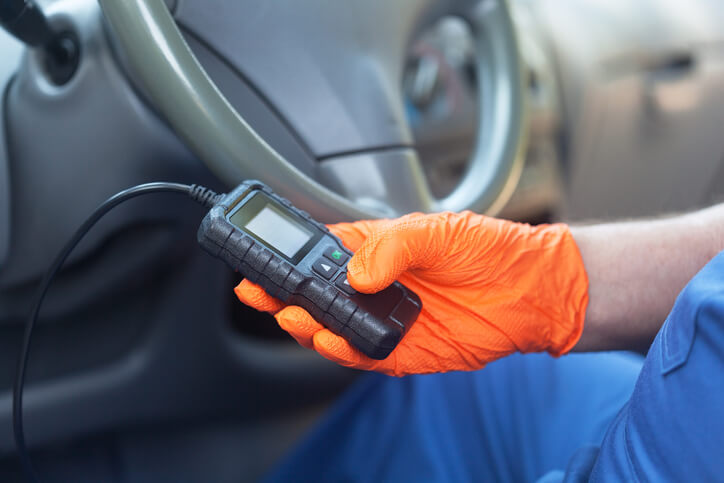
Modern automotive diagnostics rely on tools like the OBD2 scanner to retrieve codes and data from a vehicle’s onboard systems. However, interpreting that information involves analyzing system behavior, understanding how components interact, and confirming the root cause of the issue.
This is why learning how to work with diagnostic trouble codes is a foundational part of any auto mechanic school program. It teaches students how to move from raw data to accurate, real-world repairs.
Why One Code Can Have Multiple Causes
Why can one code have multiple possible causes?
A single set of diagnostic trouble codes can point to several potential issues because vehicle systems are interconnected. For example, a code related to oxygen sensor performance might be triggered by the sensor itself, but it could also be caused by a vacuum leak, fuel system imbalance, or wiring issue.
This complexity exists because modern vehicles operate through networks like the CAN bus, where multiple modules communicate and influence one another. A fault in one area can create symptoms elsewhere, making it essential to investigate beyond the initial code.
For new technicians, this highlights a key principle: codes identify symptoms, not definitive causes.
What to Do Before Clearing Diagnostic Trouble Codes
What should you do before clearing diagnostic trouble codes?
Clearing codes too early is one of the most common mistakes new technicians make. Once codes are erased, valuable diagnostic information can be lost, including freeze-frame data that shows conditions at the time the fault occurred.
Before clearing any codes, technicians typically review stored data, check for related issues, and perform basic inspections. This may include examining wiring, connectors, and system performance using an OBD2 scanner.
Taking the time to gather this information ensures that the diagnostic process remains accurate and reduces the risk of repeat repairs.
Pending vs Confirmed Codes: What’s the Difference?
What’s the difference between pending and confirmed codes?
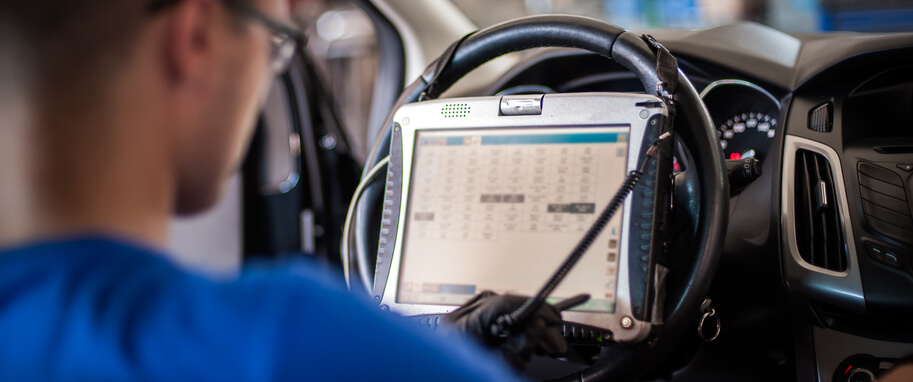
Not all diagnostic trouble codes carry the same weight. Pending codes are early indicators of a potential issue. They appear when a fault is detected but has not yet met the conditions required to trigger a full warning, such as the check engine light.
Confirmed codes, on the other hand, indicate that the issue has been verified by the system and typically require attention. These codes are more reliable indicators of a problem that needs to be addressed.
Understanding this distinction helps technicians and automotive school students prioritize their work and determine whether immediate action is required or if further monitoring is needed.
How Technicians Turn Codes Into Real Fixes
Turning diagnostic trouble codes into accurate repairs requires a structured workflow. Technicians begin by retrieving codes using an OBD2 scanner, then analyze live data to understand how the system is behaving in real time.
From there, they perform targeted tests to confirm whether a component is faulty or if the issue lies elsewhere in the system. This process may involve checking electrical signals, inspecting mechanical components, or verifying system responses under different conditions.
This methodical approach is what separates professional diagnostics from guesswork. It ensures that repairs address the true cause of the problem rather than just the symptoms. For those exploring auto careers, mastering this process is essential. It builds confidence, improves efficiency, and prepares students for the realities of modern automotive repair.
How Training Programs Teach Code-Based Diagnostics
How do training programs teach code-based diagnostics?
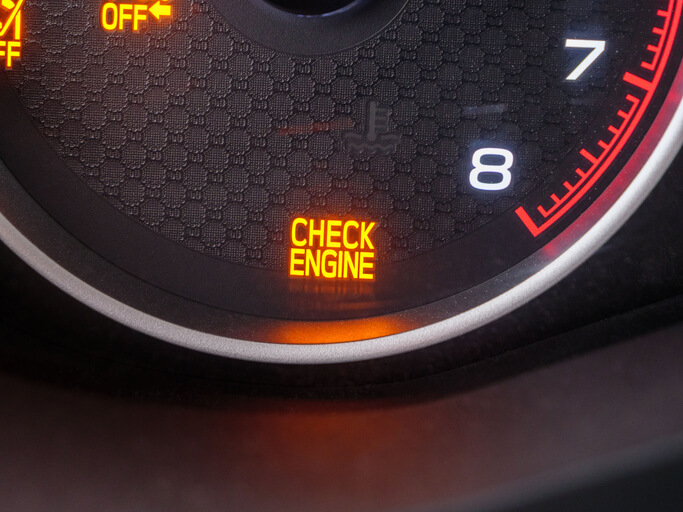
In automotive school, students are trained to approach diagnostics systematically. They learn how to interpret diagnostic trouble codes, use scan tools effectively, and apply logical troubleshooting methods.
Training emphasizes hands-on experience, allowing students to work with real vehicles and diagnostic equipment. This helps them understand how systems interact and how to apply theoretical knowledge in practical situations.
Would you like to explore training programs at our auto mechanic school?
Contact ATC Montreal for more information.
Key Takeaways
- Diagnostic trouble codes provide clues but do not identify exact failures
- One code can have multiple causes due to interconnected vehicle systems
- Clearing codes too early can remove valuable diagnostic data
- Understanding pending vs confirmed codes improves troubleshooting accuracy
- Structured diagnostics is a core skill taught in automotive training programs
FAQ
Why can one code have multiple possible causes?
Because vehicle systems are interconnected, a single code may be triggered by different components or conditions within the system.
What should you do before clearing diagnostic trouble codes?
Review stored data, inspect related components, and gather diagnostic information before clearing codes.
What’s the difference between pending and confirmed codes?
Pending codes indicate a potential issue, while confirmed codes signal a verified problem that typically requires repair.
How do training programs teach code-based diagnostics?
They combine theory with hands-on training, teaching students how to interpret codes and apply structured troubleshooting methods.