Crankshaft Position Sensor Problems: No-Start, Stalling, and Scan-Data Clues
In Brief: Crankshaft Position Sensor Symptoms and Diagnosis
- The crankshaft position sensor tells the ECU the crankshaft position and rotational speed.
- Failure can contribute to intermittent starting, no-starts, stalling, misfires, or loss of power.
- Missing RPM data during cranking can be an important diagnostic clue.
- Technicians confirm the cause through codes, inspection, wiring checks, scan data, and waveform testing.
When an engine cranks normally without starting, checking whether the ECU detects engine RPM on a scan tool offers an immediate diagnostic clue.
The crankshaft position sensor provides information about crankshaft position and rotational speed. The ECU uses this input when controlling functions such as fuel injection and ignition timing.
A lost or unreliable signal can therefore cause significant drivability problems. For students in our auto mechanic school, these faults demonstrate why good diagnosis connects symptoms with scan data and electrical testing instead of immediately replacing a suspected component.
What Are the Symptoms of a Bad Crankshaft Position Sensor?
Possible crankshaft sensor symptoms include intermittent starting or a complete no-start, engine stalling, inconsistent acceleration, misfires, loss of power, and an illuminated check engine light.
These symptoms make sense when we consider the sensor’s job.
DENSO explains that the sensor monitors teeth passing on a crankshaft timing rotor. From this signal, the ECU determines crankshaft position and rotational speed.
But none of these symptoms proves crank sensor failure by itself. Wiring damage, connector problems, trigger-wheel issues, or faults elsewhere in the engine-management system can interfere with the signal.
Heat can also matter. DENSO identifies significant heat exposure, wiring deterioration, foreign material, and damage to the sensor’s magnetic surface among potential causes of sensor problems.
Can a Crankshaft Sensor Cause a No-Start or Sudden Stalling?
Yes. If the ECU loses essential crankshaft-position information, the engine may stall or fail to start. DENSO notes that fail-safe control can suspend ignition and fuel injection when required crankshaft/camshaft signals are missing or inconsistent.
That makes RPM data particularly useful during a no-start diagnosis.
If the starter is clearly cranking the engine but the scan tool reports no engine speed, the missing RPM signal can direct attention toward the crankshaft-position sensing system. Delphi specifically recommends checking RPM during diagnosis and notes that a crankshaft-sensor fault can prevent the engine from starting.
It is still a clue rather than a final diagnosis. Technicians need to determine why the ECU is not receiving the expected information.
How Do Technicians Test a Crankshaft-Position Sensor?
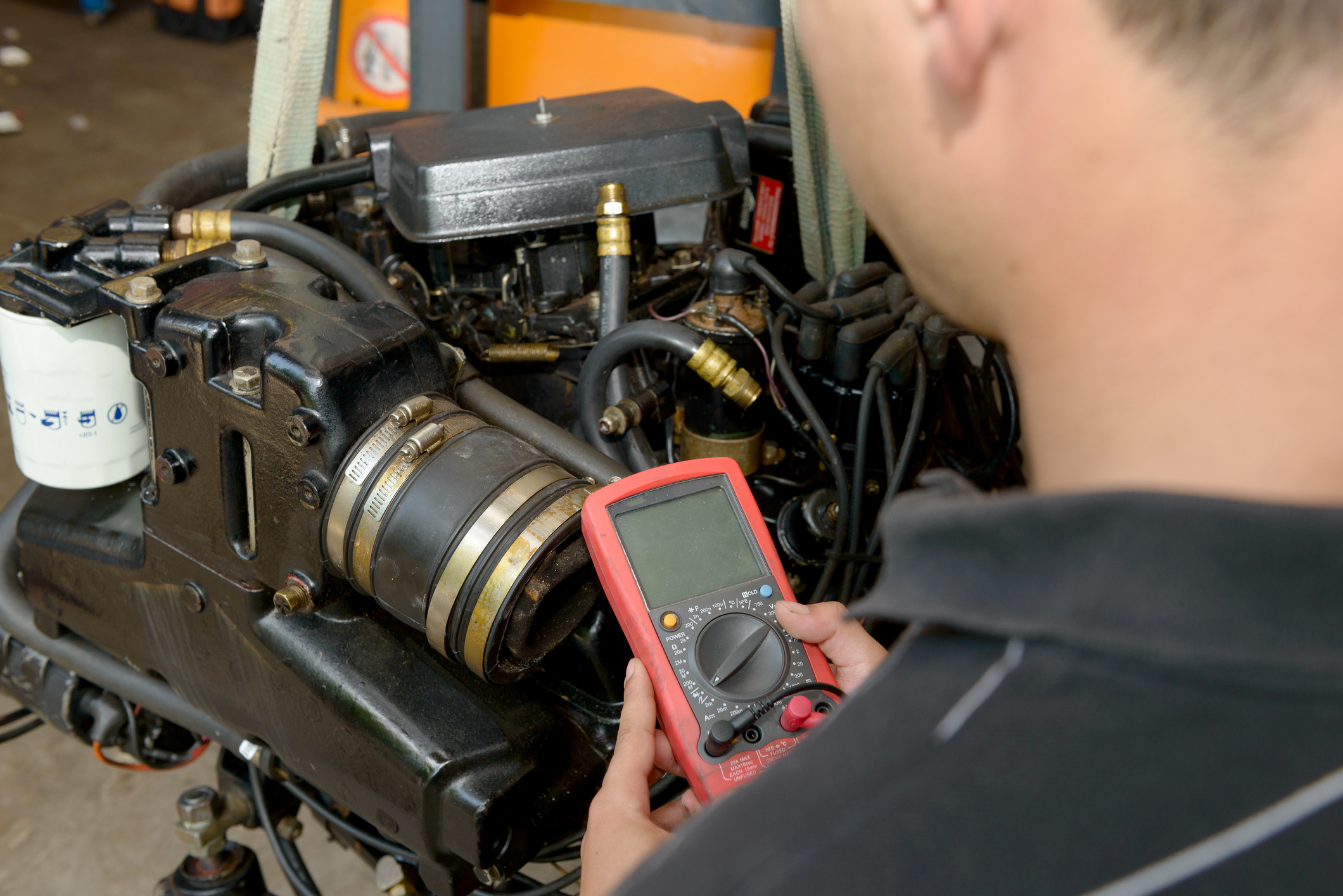
They combine trouble codes, visual inspection, scan data, wiring checks, and signal testing according to the vehicle manufacturer’s specifications.
A practical diagnostic sequence can include:
- Scan for DTCs. Crankshaft and camshaft position faults may produce codes within the P0335–P0349 range.
- Check RPM while cranking. Missing engine-speed data can indicate that the ECU is not receiving usable crankshaft information.
- Inspect the sensor and circuit. Check wiring, connectors, contamination, physical damage, and the relevant trigger wheel.
- Verify power, ground, and circuit integrity where applicable. Sensor designs differ, so testing must follow service information.
- Examine the signal. An oscilloscope can show whether the sensor produces the expected waveform while the engine cranks.
- Compare crank and cam information. Correlation problems may point toward signal, wiring, trigger-wheel, or mechanical timing issues rather than one failed sensor.
DENSO recommends inspecting the voltage waveform during cranking. If the waveform is normal, technicians can investigate the ECU and wiring for open or short circuits; if no waveform is present, the sensor becomes a stronger suspect.
This diagnostic process is one reason our automotive training emphasizes understanding the system behind a fault code.

What Is the Difference Between Crankshaft and Camshaft Sensors?
The crankshaft sensor monitors crankshaft position and rotational speed, while the camshaft sensor monitors the camshaft’s position relative to the crankshaft.
The signals work together to help the ECU synchronize engine operation. The crankshaft sensor determines position within the crankshaft’s 360-degree rotation and calculates rotational speed, while the camshaft sensor monitors the timing rotor attached to the camshaft.
Delphi similarly describes the crankshaft sensor as providing engine RPM and crankshaft-position information, while the camshaft sensor provides camshaft-position information used in controlling ignition and fuel injection timing.
That relationship matters during diagnosis. A correlation fault does not automatically identify which sensor, or even whether a sensor, is responsible.
Where Is the Crankshaft Sensor Located?
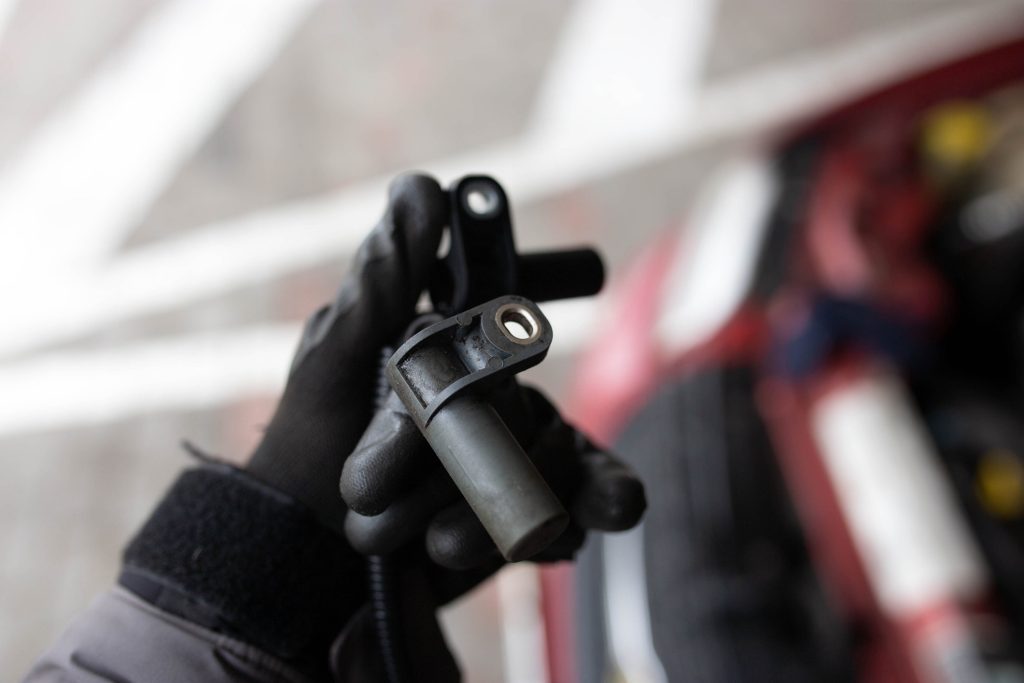
The crankshaft sensor location depends on engine design.
DENSO describes the sensor as being attached to the engine block facing a timing rotor on the crankshaft. On individual vehicles, its exact position and accessibility vary, so technicians use manufacturer service information to locate it and determine the correct removal and installation procedure.
Location also affects labour. A readily accessible sensor may be comparatively straightforward to replace, while another design may require additional component removal.
This is one reason there is no useful universal crankshaft sensor replacement cost. Parts pricing, diagnostic time, labour rates, accessibility, and additional required repairs all affect the final cost.
For students exploring auto careers, the bigger lesson is that replacement comes after diagnosis. A new sensor cannot repair damaged wiring or another underlying fault.
Would you like to explore training opportunities at our auto mechanic school?
Contact ATC Toronto for more information.
Key Takeaways
- The crankshaft position sensor supplies critical crankshaft-position and engine-speed information.
- Crankshaft sensor symptoms can include stalling, intermittent starting, no-starts, misfires, and loss of power.
- Checking RPM data during cranking can provide a useful early diagnostic clue.
- A trouble code does not prove the sensor itself has failed.
- Oscilloscope testing can help technicians evaluate the sensor signal and separate sensor faults from circuit problems.
FAQ
What Are the Symptoms of a Bad Crankshaft-Position Sensor?
Possible symptoms include intermittent starting, a no-start condition, stalling, misfires, inconsistent acceleration, loss of power, and an illuminated check engine light.
Can a Crankshaft Sensor Cause a No-Start or Sudden Stalling?
Yes. Loss of the crankshaft-position signal can prevent the ECU from correctly controlling engine operation, potentially causing a no-start or stalling condition.
How Do Technicians Test a Crankshaft-Position Sensor?
Technicians may check trouble codes and RPM data, inspect the sensor and wiring, verify circuit integrity, and use an oscilloscope to evaluate the sensor waveform during cranking.
What Is the Difference Between Crankshaft and Camshaft Sensors?
The crankshaft sensor monitors crankshaft position and rotational speed. The camshaft sensor monitors camshaft position relative to the crankshaft. The ECU uses these signals to help synchronize fuel injection and ignition.