Tire Pressure Explained: Placard PSI, Cold Readings, and TPMS Checks
In Brief: What Should My Tire Pressure Be?
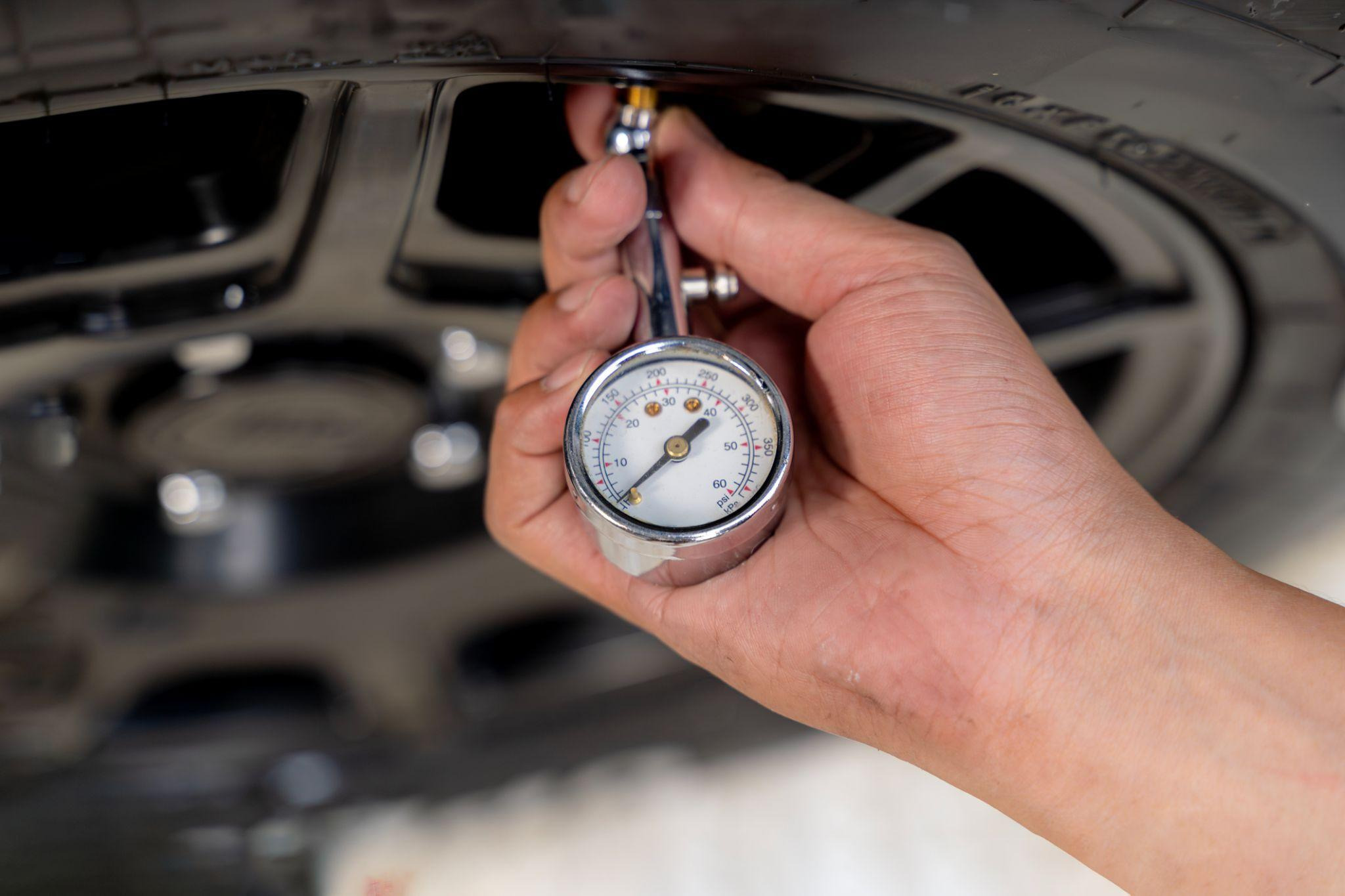
What should my tire pressure be? Don’t use the maximum PSI printed on the tire sidewall as your target. Technicians normally look for the vehicle manufacturer’s recommended pressure on the tire-information placard, often located inside the driver’s door area. They measure pressure when tires are cold, use an accurate gauge, inspect for pressure loss, and investigate TPMS warnings rather than assuming every warning simply means a tire needs air.
A few PSI (pounds per square inch) may not seem important, but tire pressure influences far more than whether a tire looks properly inflated. Incorrect pressure can affect handling, braking behaviour, fuel consumption, ride quality, and how evenly a tire wears.
So, what should my tire pressure be? For most drivers, the answer begins with the vehicle, not the number moulded into the tire’s sidewall. Understanding the difference is a basic but important skill for future technicians, especially because pressure also changes with temperature and modern vehicles add Tire Pressure Monitoring Systems (TPMS) to the diagnostic process.
Start With the Vehicle’s Tire Placard
What PSI should my tires be? When checking recommended tire pressure, technicians typically begin with the vehicle’s tire-information placard. It is commonly found on the driver’s door or door jamb, although location can vary by vehicle.
The placard identifies manufacturer specifications such as tire size and recommended cold inflation pressure. Front and rear specifications may sometimes differ, so technicians check each axle rather than assuming all four tires require identical pressure.
One common mistake is inflating a tire to the maximum pressure shown on its sidewall. That number identifies a tire-related limit; it is not automatically the vehicle manufacturer’s recommended operating pressure. Learning to distinguish between specifications is part of foundational auto mechanic training.
Why Should Tire Pressure Be Checked Cold?
Should tire pressure be checked when tires are hot or cold? The word “cold” is important when discussing tire PSI.
As a vehicle is driven, tires flex and generate heat. The air inside warms and expands, increasing measured pressure. Checking immediately after a long drive can therefore produce a higher reading than the tire had before the trip.
Technicians generally compare cold readings with the placard specification so they are working from a consistent baseline. Weather matters too. When outdoor temperatures fall, tire pressure can decrease, which is one reason drivers may notice TPMS warnings during colder months.
Instead of compensating based on guesswork, technicians use an accurate pressure gauge and compare the measurement with manufacturer information.
What Happens When Tire Pressure Is Too Low?
Underinflation changes the way a tire contacts and flexes against the road. Excessive flexing can generate additional heat and contribute to premature tire wear.
Possible consequences include:
- Reduced handling response
- Increased rolling resistance
- Uneven or accelerated wear
- Greater heat buildup
- Reduced fuel efficiency
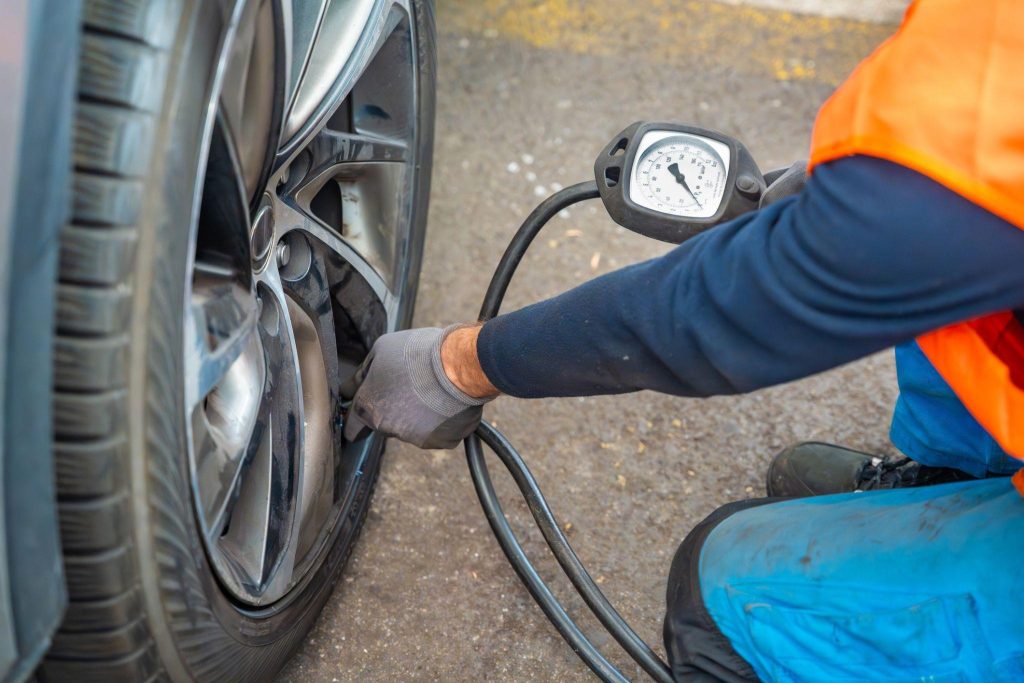
A technician who repeatedly finds one tire below its correct tire pressure shouldn’t simply add air and consider the problem solved. The tire may have a puncture, leaking valve stem, damaged wheel, or another source of pressure loss that requires inspection.
This diagnostic mindset is emphasized in auto mechanic school because seemingly simple maintenance concerns can reveal larger problems.
Can Tire Pressure Be Too High?
Yes. Excessive pressure can change the tire’s contact with the road, affect ride comfort, and contribute to undesirable wear patterns. The appropriate target remains the vehicle manufacturer’s specification unless approved service information indicates otherwise.
Technicians therefore don’t inflate every vehicle to one universal number. Recommended tire pressure depends on the particular vehicle and its engineering requirements.
Why Is the TPMS Light On When Pressure Looks Normal?
A Tire Pressure Monitoring System alerts the driver when the system detects a pressure-related concern, but diagnosis may involve more than looking at the tires.
If the TPMS light remains illuminated after pressures have been properly checked, technicians may investigate:
- A tire that is slightly below its specified pressure
- Temperature-related pressure changes
- A slow leak
- A damaged or failing TPMS sensor
- Sensor battery failure
- Incorrect sensor programming or relearning
- A spare tire monitored by the system on some vehicles
Depending on the vehicle, the TPMS indicator may also behave differently when the system itself has a fault rather than simply detecting low pressure. Technicians consult manufacturer service information to understand the specific warning strategy.
Tire Condition Matters Alongside PSI
Getting the pressure right doesn’t make a damaged or worn tire safe. A proper tire inspection also considers tread depth, unusual wear, sidewall condition, embedded objects, and visible damage.
Wear patterns can even provide diagnostic clues. Abnormal wear may point technicians toward inflation problems, alignment concerns, suspension faults, or other issues requiring further investigation.
These routine checks illustrate why students who want to become mechanics need both practical inspection skills and the ability to interpret what vehicle components are telling them.
Why Tire Pressure Skills Matter for New Technicians
Checking tire pressure is straightforward; understanding what the reading means requires more thought.
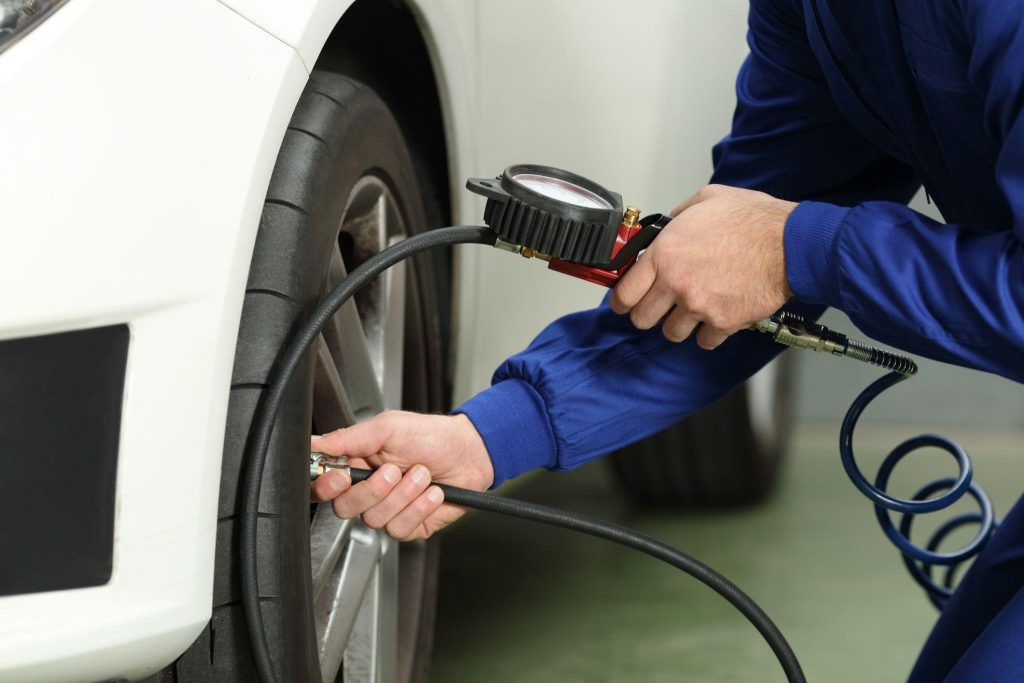
A professional technician needs to locate the correct specification, take an accurate measurement, account for operating conditions, recognize abnormal pressure loss, and determine whether a TPMS warning needs further diagnosis. They must also communicate their findings clearly to the customer.
These are fundamental habits that extend well beyond tires. Modern automotive service depends on comparing measured information with specifications instead of relying on assumptions. Learning that process early gives future technicians a stronger foundation for more complex diagnostic work.
Do you want to become a mechanic?
Contact ATC Cambridge for more information.
Key Takeaways
- To answer: what should my tire pressure be, start with the vehicle manufacturer’s tire placard rather than the tire’s maximum sidewall PSI.
- Tire PSI should normally be measured when tires are cold for a consistent comparison with placard specifications.
- Both underinflation and overinflation can affect tire performance and wear.
- Repeated pressure loss may indicate a leak or another problem requiring diagnosis.
- A TPMS warning can involve low pressure, changing temperatures, a slow leak, or a system fault.
- Technicians consider pressure alongside tread, wear patterns, damage, and overall tire condition.
FAQ
What PSI should my tires be?
Use the vehicle manufacturer’s recommended cold tire pressure, typically listed on a placard inside the driver’s door area. The correct value varies by vehicle and may differ between front and rear tires.
Should tire pressure be checked when tires are hot or cold?
Tire pressure should generally be checked when the tires are cold. Driving heats the tires and raises internal pressure, which can make a hot reading different from the manufacturer’s cold specification.
Where can I find the correct tire pressure for my car?
Look for the tire-information placard, commonly located on the driver’s door or door jamb. The owner’s manual can also provide relevant tire information.
Why is the TPMS light on when tire pressure looks normal?
The pressure may still be slightly outside the required range, or the system may have detected a slow leak or sensor-related problem. Temperature changes can also affect pressure. If correct inflation doesn’t resolve the warning, further TPMS diagnosis may be necessary.