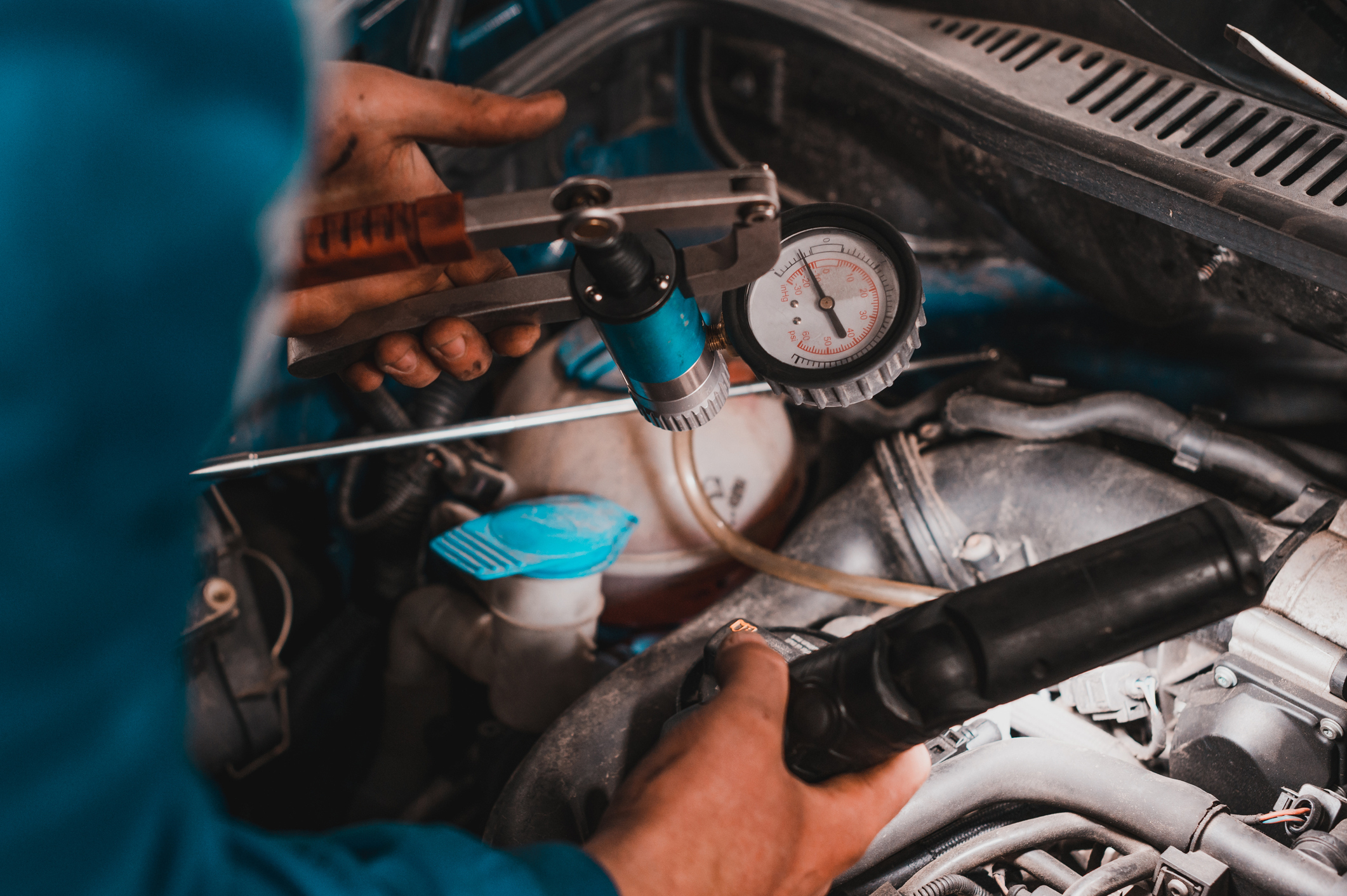
Cooling System Pressure Testing: How Mechanics Catch Problems Early
Few automotive problems escalate as quickly or as expensively as cooling system failures. Overheating can warp cylinder heads, damage gaskets, and lead to complete engine failure. That’s why pressure testing is one of the most valuable diagnostic tools taught in auto mechanic training today.
For students at ATC Cambridge, mastering this procedure means learning how to detect leaks and weaknesses long before drivers see smoke rising from the hood. It’s a practical skill that builds technician confidence and saves clients thousands of dollars in preventable repairs.
Why Cooling System Pressure Testing Is Essential
A vehicle’s cooling system relies on a closed, pressurized environment. When that pressure drops—even slightly—the engine loses its ability to regulate temperature. Pressure testing reveals leaks or failing components that might otherwise go unnoticed until significant damage occurs.
Common problems diagnosed through this method include:
- Radiator leaks
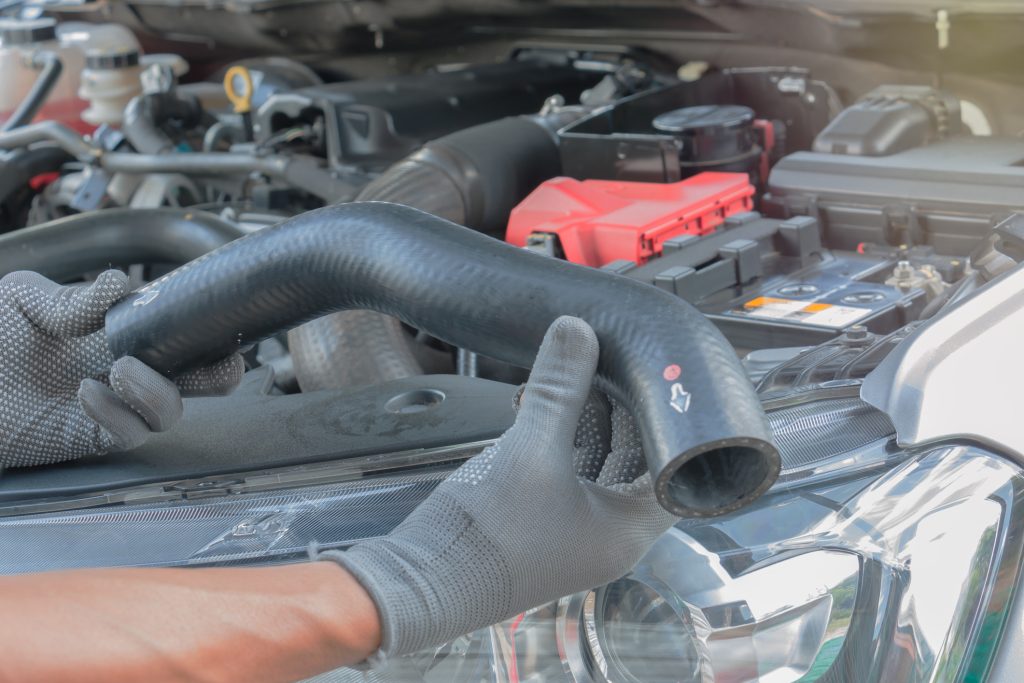
- Cracked or soft hoses
- Faulty thermostats
- Loose clamps
- Failing water pumps
- Weak or damaged radiator caps
- Internal engine leaks (such as head gasket failures)
Students at our auto mechanic school learn to recognize how each issue affects engine performance and how to identify symptoms before they worsen.
How Pressure Testing Works
A cooling system pressure test is simple, precise, and highly effective. Technicians use a hand pump attached to a tester adapter that fits onto the radiator or coolant reservoir. The system is pressurized to the level recommended by the manufacturer—usually between 13 and 16 psi.
Once pressurized, mechanics look for:
- Drops in pressure (indicating leaks)
- Coolant seepage along hoses or connections
- External leaks around the water pump or radiator
- Bubbles in the coolant (potential head gasket issues)
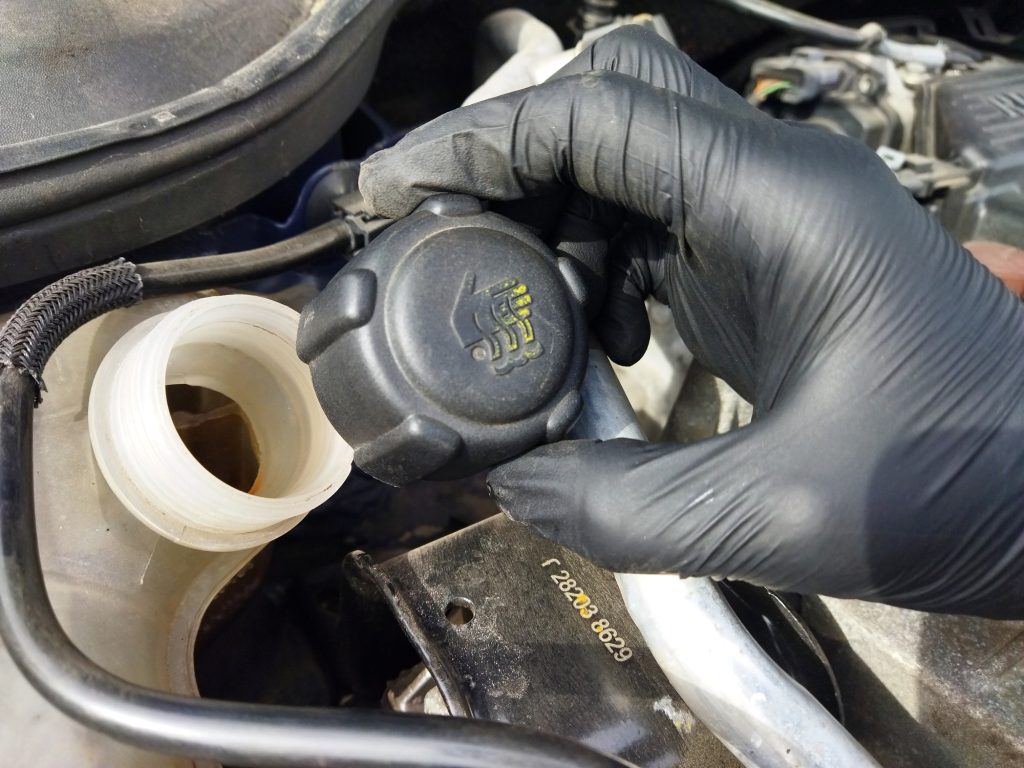
Students also learn how to test radiator caps separately using a cap tester. A weak cap can cause overheating, coolant loss, and hard-to-diagnose temperature fluctuations.
Diagnosing Thermostat Issues
A thermostat that sticks open or closed can cause inconsistent engine temperature and poor heater performance. While pressure testing won’t directly diagnose thermostat failure, it helps eliminate other possibilities and guides technicians toward further diagnostic steps.
In auto mechanic training, students practice combining pressure tests with temperature readings, infrared thermometers, and scan tool data to verify thermostat operation.
Why Preventive Diagnostics Matter
Regular cooling system testing helps clients avoid:
- Unexpected breakdowns
- Expensive engine repairs
- Damaged radiators or heater cores
- Overheating during highway driving or the summer months
It also builds trust. When clients see how simple tests prevent major issues, they better appreciate the technician’s expertise and commitment to safety and reliability.
What Students Learn at ATC Cambridge
At ATC Cambridge, cooling system diagnostics are integrated into hands-on labs and real-world service procedures. Students learn to:
- Use pressure testers and adapters correctly
- Identify the source of leaks.
- Test radiator caps and understand pressure ratings.
- Interpret pressure drops and diagnose internal leaks.
- Inspect hoses, clamps, and reservoir tanks.
- Work safely with hot engines and coolant systems.
This practical experience is essential for anyone wanting to become a mechanic capable of handling real customer challenges.
Build Your Diagnostic Skills With Auto Mechanic Training at ATC
Understanding pressure testing doesn’t just make you a better technician—it prepares you for a successful, long-term career in automotive repair. ATC Cambridge’s comprehensive auto mechanic training program equips students with the tools, confidence, and hands-on experience necessary to diagnose cooling system issues and protect clients from costly repairs.
If you’re ready to train in a professional environment and learn from experienced instructors, ATC Cambridge can help you take the next step toward your automotive career goals.
Do you want to become a mechanic?
Contact ATC Cambridge for more information.