Coolant vs. Antifreeze in Quebec: What New Mechanics Should Know About Seasonal Protection
Before You Read
What is coolant? It’s more than just a liquid that prevents overheating. In Quebec, the correct engine coolant mixture helps protect against freezing, corrosion, and overheating throughout the year. Learning how to inspect, test, and service cooling systems is an essential skill for future automotive technicians.
Quebec’s climate puts extra demands on every vehicle’s cooling system. Temperatures can plunge well below freezing in winter and climb above 30°C during the summer, meaning the same fluid must protect the engine through both extremes.
For students at our automotive school, understanding what coolant is means learning much more than how to top up a reservoir. Choosing the correct coolant for car applications, verifying the proper mixture, and following manufacturer specifications are all part of professional vehicle maintenance.
What Is the Difference Between Coolant and Antifreeze?
What is the difference between coolant and antifreeze? Antifreeze is typically a concentrated glycol-based product, while coolant is the mixture that circulates through the engine after antifreeze is combined with water or purchased as a pre-mixed solution.
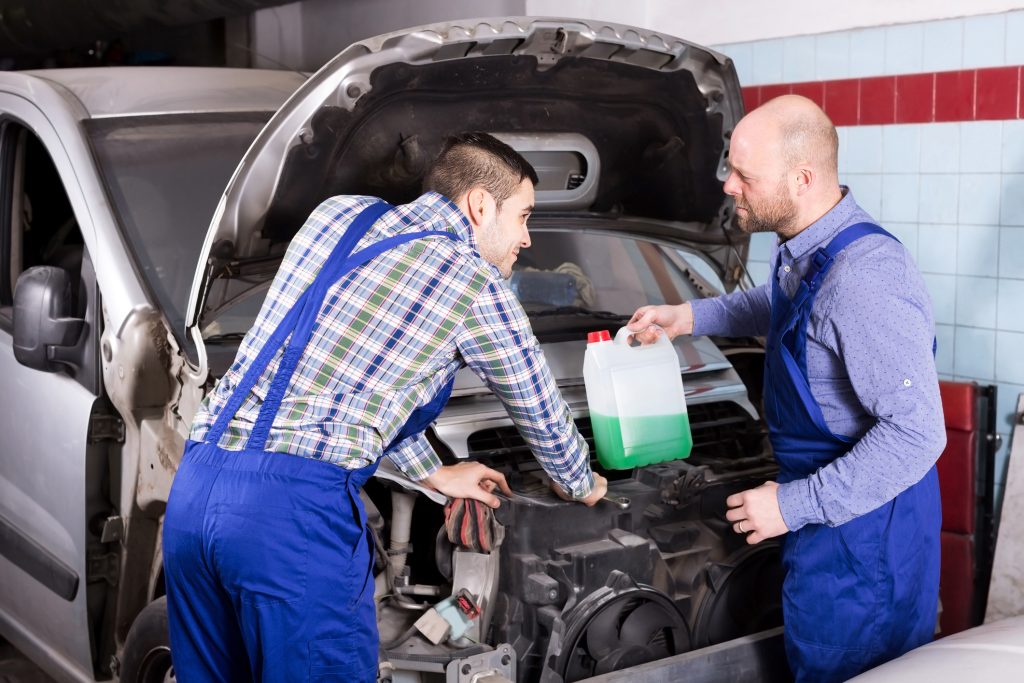
For many passenger vehicles, a 50/50 mixture provides freeze protection to approximately -35°C to -37°C, although technicians always follow the manufacturer’s specifications rather than relying on a universal formula. They also avoid mixing different coolant chemistries, even if the products appear similar in colour.
Can You Use Water Instead of Coolant During a Quebec Winter?
Can you use water instead of coolant during a Quebec winter? No. Water alone freezes at 0°C, provides little corrosion protection, and raises the risk of serious engine damage during Quebec’s cold winters.
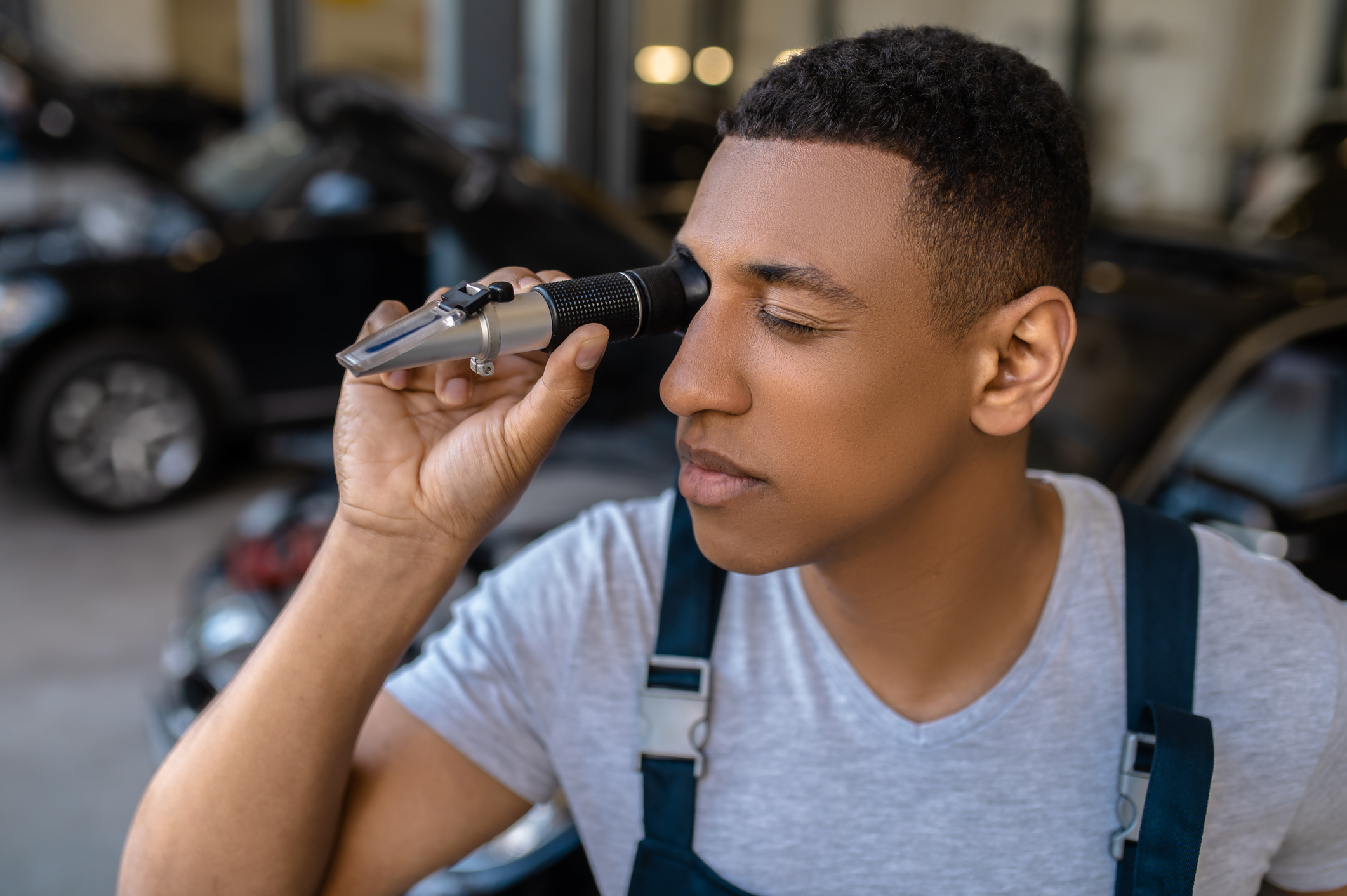
Professional technicians also avoid using straight antifreeze because excessive concentration can reduce heat transfer. Instead, they verify the proper mixture using a refractometer or approved coolant tester rather than guessing based on colour.
When inspecting a vehicle before winter, technicians also examine:
- Coolant concentration
- Coolant level
- Radiator hoses
- Thermostat operation
- Heater performance
- Radiator cap condition
Together, these checks help ensure reliable cold-weather operation.
What Type of Coolant Is Best for Cold Weather?
What type of coolant is best for cold weather? The best engine coolant is the one specified by the vehicle manufacturer.
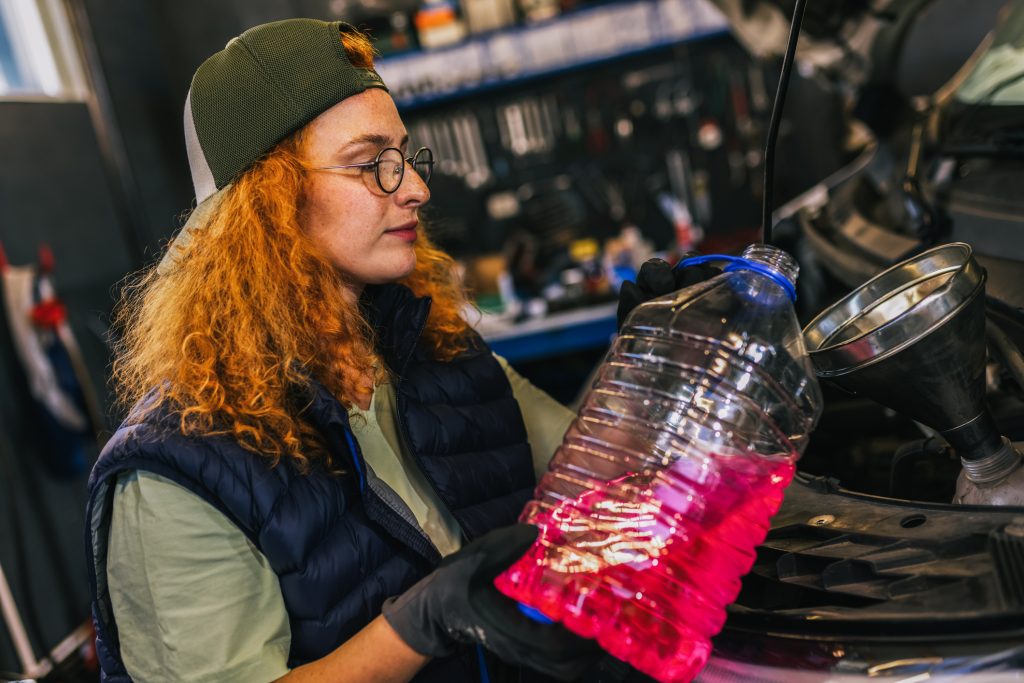
Modern vehicles may use different coolant technologies, including OAT, HOAT, or IAT formulations, each designed for specific engine materials and service intervals. Colour alone is not a reliable way to identify compatibility.
For Quebec drivers, technicians also confirm that the coolant provides sufficient freeze protection for local winter temperatures while maintaining the corrosion inhibitors needed to protect aluminum components, water pumps, radiators, and heater cores.
How Often Should Engine Coolant Be Changed?
How often should engine coolant be changed? Coolant replacement intervals vary depending on the vehicle manufacturer and coolant formulation.
Even if the coolant still provides freeze protection, its corrosion inhibitors gradually become less effective over time. Old coolant can contribute to corrosion, scale buildup, water pump wear, and reduced cooling system efficiency.
During routine maintenance, technicians inspect the cooling system for:
- Proper coolant concentration
- Leaks
- Contamination
- System pressure
- Heater operation
- Signs of corrosion
They also ensure that used coolant is disposed of responsibly. In Quebec, products such as used antifreeze should be taken to approved collection facilities rather than poured down drains or discarded with household waste.
Why Do Cooling System Inspections Matter?
Understanding what coolant is is only the beginning. Professional technicians know that maintaining the correct coolant specification, concentration, and system condition helps prevent expensive repairs throughout the year.
At our auto mechanic school, students learn how to test coolant, identify contamination, inspect cooling system components, and service vehicles according to manufacturer procedures. These practical skills prepare graduates for rewarding auto careers working on today’s increasingly advanced vehicles.
Prepare Vehicles for Every Season
In Quebec, cooling system maintenance isn’t just about preventing summer overheating—it’s about protecting vehicles through every season. By learning proper testing methods, understanding coolant chemistry, and following manufacturer recommendations, future technicians develop the diagnostic skills needed to keep engines operating safely and efficiently year-round.
Would you like to explore training programs at our automotive school?
Contact ATC Montreal for more information.
Key Takeaways
- Understanding what coolant is helps technicians protect vehicles in every season.
- Engine coolant prevents freezing, overheating, and internal corrosion.
- The correct coolant for a car depends on the manufacturer’s specifications—not the coolant’s colour.
- Water alone should never replace coolant during Quebec winters.
- Hands-on training teaches students how to inspect, test, and service modern cooling systems correctly.
FAQ
What is the difference between coolant and antifreeze?
What is the difference between coolant and antifreeze? Antifreeze is usually a concentrated glycol-based fluid, while coolant is the working mixture that circulates through the engine to regulate temperature and protect against freezing and corrosion.
Can you use water instead of coolant during a Quebec winter?
Can you use water instead of coolant during a Quebec winter? No. Water can freeze, promote corrosion, and damage the engine. The proper coolant mixture is essential for reliable cold-weather operation.
What type of coolant is best for cold weather?
What type of coolant is best for cold weather? The best coolant is the manufacturer-approved formulation mixed to the recommended concentration for the vehicle and climate.
How often should engine coolant be changed?
How often should engine coolant be changed? Replacement intervals vary by manufacturer, but technicians inspect coolant regularly and replace it according to the recommended maintenance schedule or whenever its protective properties have deteriorated.