Compression Test 101: What It Reveals About Engine Health
TL;DR
A compression test is a key diagnostic tool used to assess engine health. It measures cylinder pressure to identify issues like misfires, worn components, or internal damage. When combined with other tools like a leak-down test, it helps technicians accurately diagnose and resolve engine problems.
A compression test is one of the most important tools used in automotive diagnostics to evaluate engine condition. When a vehicle experiences symptoms like misfires, low power, or rough idling, this test provides a clear starting point for identifying internal issues.
For an automotive service technician, understanding how to interpret compression results is essential. The numbers themselves don’t just indicate whether a problem exists; they help narrow down where the issue may be occurring within the engine.
As part of auto mechanic training, students learn how to connect these results with other data points, such as fuel trim readings and overall engine performance, to build a complete diagnostic picture.
What Does a Compression Test Measure?
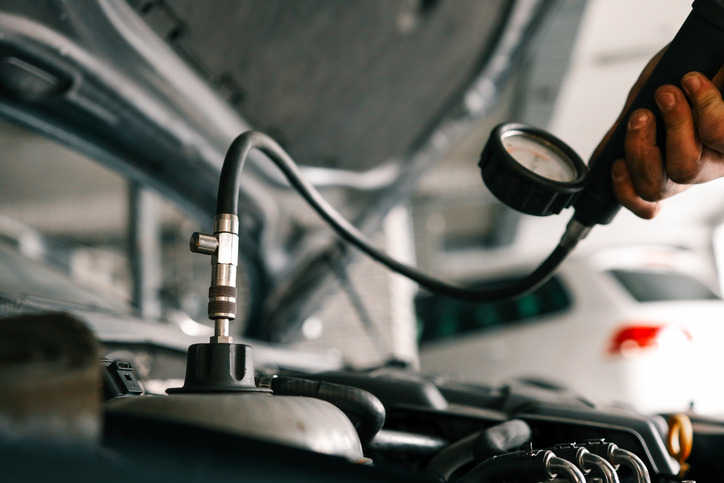
An engine compression test measures the pressure generated inside each cylinder when the engine is cranked. This pressure is critical for proper combustion, as it allows the air-fuel mixture to ignite efficiently.
If compression is too low, the engine may struggle to run smoothly or produce adequate power. By comparing readings across all cylinders, technicians can identify inconsistencies that point to internal wear or damage.
Rather than providing a final answer, the compression test serves as a diagnostic entry point, helping technicians determine the next steps in the troubleshooting process.
What Symptoms Suggest You Need a Compression Test?
Certain engine issues often indicate the need for a compression test. These include persistent misfires, noticeable loss of power, difficulty starting, or rough engine operation.
In some cases, abnormal fuel trim readings may also suggest that the engine is compensating for an underlying mechanical issue. When these symptoms appear together, technicians use compression testing to confirm whether the problem is internal rather than related to fuel or ignition systems.
Recognizing these signs early helps prevent more serious engine damage and supports accurate diagnostics.
Low Compression vs No Compression
What’s the difference between low compression and no compression?
Low compression indicates that a cylinder is still producing pressure, but not at the level required for efficient operation. This often points to gradual wear, such as worn piston rings or slightly leaking valves.
No compression, on the other hand, suggests a more severe issue. This could result from a broken valve, a major head gasket failure, or significant internal damage that prevents pressure from building at all.
Understanding this difference is critical for technicians, as it helps determine whether the issue is repairable through minor work or requires more extensive engine repair.
When to Follow Up with a Leak-Down Test
When should a technician follow up with a leak-down test?
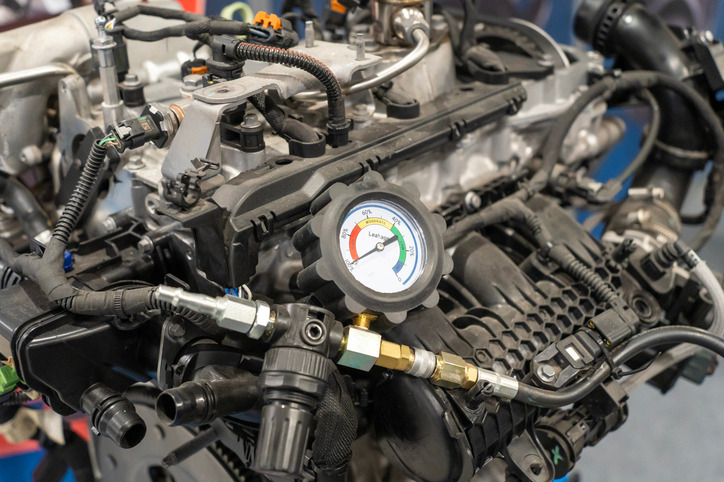
A leak-down test is typically performed after a compression test reveals a problem but does not clearly identify the cause. While the compression test shows that pressure is low, the leak-down test helps determine where that pressure is escaping.
By introducing compressed air into the cylinder, technicians can listen for leakage through the intake, exhaust, or crankcase. This provides a more precise diagnosis and helps confirm whether the issue involves valves, piston rings, or other components.
Using both tests together reflects a structured approach to automotive diagnostics, where each step builds on the previous one.
How Compression Results Fit into a Larger Diagnostic Process
A compression test is rarely used in isolation. Technicians combine the results with other diagnostic tools and observations to form a complete understanding of engine performance.
For example, abnormal readings may be compared with fuel trim data, ignition performance, and sensor feedback. This integrated approach ensures that the root cause is identified rather than simply addressing surface symptoms.
This is why training emphasizes not just how to perform tests, but how to interpret them within the broader context of vehicle diagnostics.

Are Compression Tests Taught in Training Programs?
Do training programs teach engine mechanical testing?
Yes. Performing a compression test is a core skill taught in ATC’s Automotive Service Technician Foundation program. Students learn how to conduct the test, interpret results, and apply their findings to real-world scenarios.
In our auto mechanic school in Surrey, hands-on training allows students to work directly with engines and diagnostic equipment. This practical experience builds confidence and prepares them to handle complex engine issues in professional settings.
As vehicles become more advanced, strong diagnostic skills remain essential for success in the industry.
Are you looking for comprehensive auto mechanic training?
Contact ATC Surrey for more information.
Key Takeaways
- A compression test measures cylinder pressure to assess engine health
- Low compression indicates wear, while no compression suggests serious damage
- Symptoms like misfires and low power often signal the need for testing
- A leak-down test helps identify the exact source of compression loss
- Compression testing is a core skill taught in auto mechanic training
FAQ
Q: What symptoms suggest you need a compression test?
A: Misfires, low power, rough idling, and difficulty starting are common indicators.
Q: What’s the difference between low compression and no compression?
A: Low compression indicates reduced pressure, while no compression suggests severe internal damage.
Q: When should a technician follow up with a leak-down test?
A: When a compression test shows a problem, but does not identify the cause.
Q: Do training programs teach engine mechanical testing?
A: Yes, compression testing and related diagnostics are key components of automotive training programs.