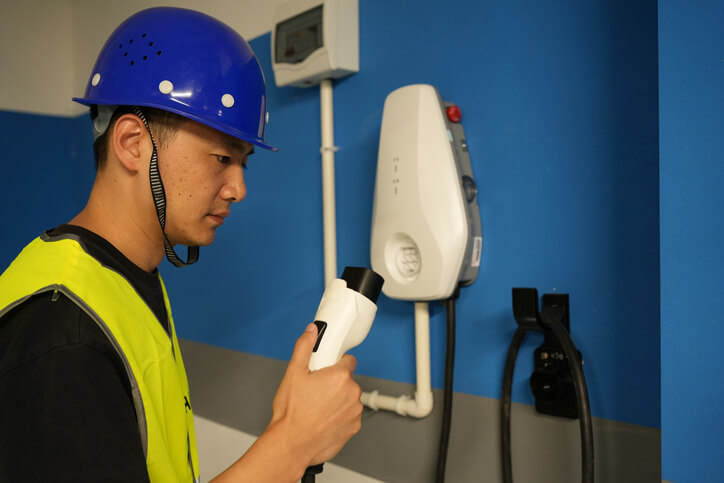
Charging Port Replacement: When It’s Needed and What Techs Verify After
TL;DR
Charging port replacement is sometimes necessary when an EV charging port becomes damaged, loose, contaminated, or unable to communicate properly with charging equipment. After replacement, technicians verify connector fitment, sealing, charging communication, and charging speeds on both standard and DC fast charging systems. Students entering automotive school programs focused on EV technology learn how charging systems operate and how to diagnose common EV charging problems safely and accurately.
As electric vehicles continue becoming more common across Canada, charging system reliability has become a major part of modern EV maintenance. One important component receiving increased attention is the vehicle’s charging port.
The EV charging port is responsible for safely connecting the vehicle to charging equipment while supporting communication between the charger and the vehicle itself. If this system becomes damaged or fails, charging performance can become inconsistent or stop entirely.
For technicians, charging port replacement involves far more than swapping out a physical connector. Proper diagnostics, installation procedures, sealing checks, and charging verification tests are all critical parts of the repair process.
What Causes Charging Port Damage?
Several factors can lead to the need for a charging port replacement. In some cases, physical wear occurs gradually over time from repeated charging cycles. In other situations, environmental exposure or improper charging equipment use may contribute to damage.
Common causes of EV charging problems include:
- Bent or damaged connector pins
- Corrosion or moisture intrusion
- Broken locking mechanisms
- Loose internal connections
- Communication failures between the charger and the vehicle
- Physical impact damage near the charging area
Technicians must first determine whether the issue originates from the vehicle itself, the charging equipment, or software communication systems before proceeding with repairs.
Why Charging Communication Matters
Students attending auto mechanic school today are entering an industry where EV charging diagnostics are becoming more common in repair shops. Modern EV charging systems involve more than simply transferring electricity. The charger and vehicle constantly exchange information to regulate charging speed, manage temperature, and enforce safety protocols.
This communication becomes especially important during DC fast charging, where significantly higher power levels are involved. If communication errors occur, charging sessions may fail, stop unexpectedly, or charge at reduced speeds.
What signs indicate a charging port is damaged or failing? Technicians performing charging port replacement must verify:
- Proper communication with charging stations
- Successful charging session initiation
- Correct charging rate operation
- Secure locking and connector engagement
- Diagnostic code clearance
As charging standards continue to evolve, technicians are also becoming more familiar with the conversations surrounding NACS vs. CCS charging connector designs. Different vehicle manufacturers may use different charging standards, requiring technicians to understand compatibility considerations and charging hardware differences. Explore more here: electric vehicle charging explained.
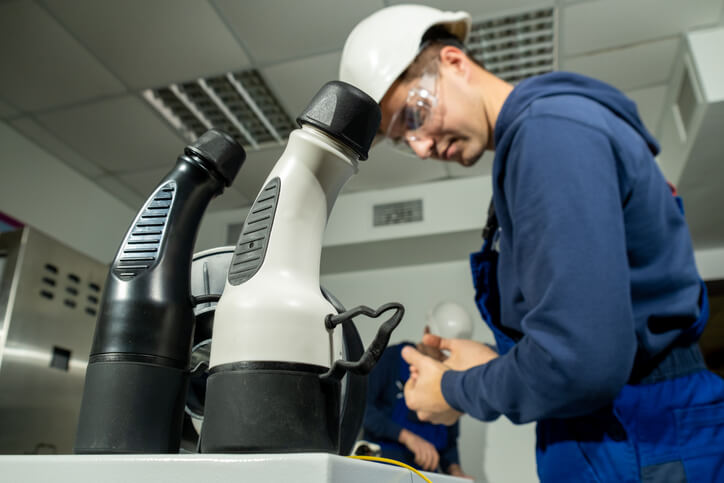
Why Sealing and Water Protection Are Critical During Charging Port Replacement
One of the most important post-repair checks after charging port replacement involves verifying proper sealing around the repaired area.
Charging ports are regularly exposed to:
- Rain
- Snow
- Road salt
- Dust
- Temperature changes
- High-pressure car washes
Why do sealing and water intrusion checks matter after replacement? If seals are installed incorrectly or damaged during repair, moisture intrusion can create future electrical issues or corrosion inside the charging assembly.
Technicians carefully inspect:
- Rubber seals and gaskets
- Connector seating alignment
- Housing fitment
- Drainage pathways
- Moisture protection barriers
Proper sealing plays a major role in long-term EV maintenance because even small amounts of water intrusion can affect charging performance and system reliability.
Post-Repair Testing Procedures
After completing the charging port replacement, technicians perform several verification steps to confirm the repair was successful.
Common post-repair checks may include:
- Testing Level 2 charging operation
- Verifying DC fast charging compatibility
- Monitoring charging speeds
- Confirming communication with charging stations
- Checking for warning lights or stored fault codes
- Inspecting the connector temperature during charging
- Verifying charging session stability
Because EV charging systems combine software, electronics, and physical hardware, proper testing helps ensure both safety and customer satisfaction after repairs.
As EV technology continues evolving, understanding charging diagnostics is becoming an increasingly valuable skill for technicians entering modern auto careers.
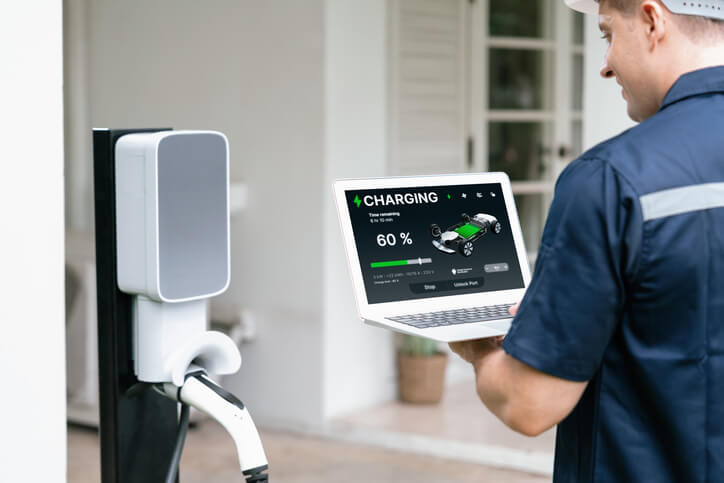
How Training Helps Students Understand EV Charging Systems
Do hybrid and electric programs cover EV charging fundamentals? ATC’s programs focused on EV technology help students understand both traditional automotive systems and newer electric vehicle service procedures. Through specialized automotive school training, students can develop foundational knowledge of:
- EV charging systems
- Electrical safety procedures
- Charging communication protocols
- Diagnostic software usage
- Basic hybrid and electric vehicle operation
For students interested in future-focused auto careers, learning about charging systems, diagnostics, and EV technology can help prepare them for an evolving automotive industry.
Are you interested in pursuing hybrid and electrical mechanic training?
Contact ATC Montreal for more information.
Key Takeaways
- Charging port replacement requires both physical repairs and electronic system verification
- An EV charging port must communicate correctly with the charging equipment for safe charging
- Technicians perform sealing and moisture protection checks after repairs
- DC fast charging systems require accurate communication and stable charging performance
- Training programs help students understand EV charging systems and modern EV maintenance
FAQ
What signs indicate a charging port is damaged or failing?
Common signs include loose connections, charging interruptions, warning lights, visible corrosion, bent pins, or inconsistent charging performance.
Why do sealing and water intrusion checks matter after replacement?
Proper sealing helps prevent moisture intrusion, corrosion, and electrical issues that could affect charging performance or long-term system reliability.
Do hybrid and electric programs cover EV charging fundamentals?
Yes. Many programs that include hybrid and electrical mechanic training introduce students to EV charging systems, diagnostics, safety procedures, and charging communication basics.
What tests confirm that charging works on both Level 2 and fast charging?
Technicians typically test communication, charging speed, session stability, connector engagement, and diagnostic system operation during both standard and DC fast charging sessions.