Carburetor Function: What Older Engines Teach New Mechanics
TL;DR
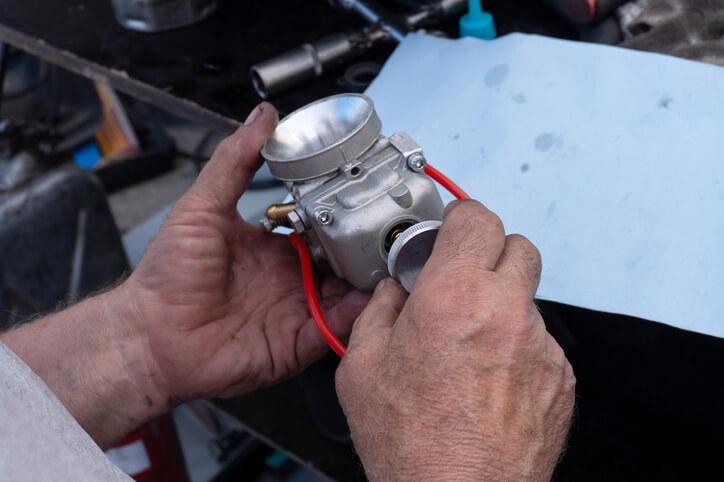
What is the carburetor? A carburetor is a mechanical device that mixes fuel and air before sending the mixture into an engine for combustion. While most modern vehicles use electronic fuel injection, understanding carburetor function helps future technicians learn important concepts about fuel delivery, airflow, engine performance, and diagnostics that still apply today.
Modern vehicles rely heavily on electronic controls, sensors, and fuel injection systems. Yet many of the principles that govern today’s engines were first managed by mechanical components such as the carburetor.
For students pursuing auto careers, learning what the carburetor is provides valuable insight into how engines manage air and fuel. Even though carburetors are largely absent from modern passenger vehicles, they remain one of the best teaching tools for understanding engine fundamentals.
What is the Carburetor and What Does it Do?
A carburetor mixes air and fuel in the correct ratio before delivering that mixture to the engine’s cylinders.
The basic carburetor function is to ensure the engine receives enough fuel for combustion while maintaining the proper air-fuel mixture. As air flows through the carburetor, it creates a pressure difference that draws fuel into the airflow. This mixture is then delivered to the engine, where combustion takes place.
Before electronic fuel injection became common, carburetors handled this process entirely through mechanical design rather than computer controls.
Are Carburetors Still Used in Modern Vehicles?
Carburetors are rarely found in modern passenger vehicles but remain common in some small engines, motorcycles, classic cars, and specialty applications.
Beginning in the late twentieth century, manufacturers largely replaced carburetors with electronic fuel injection systems. Fuel injection offers greater precision, improved fuel economy, lower emissions, and better overall performance.
However, technicians attending an auto mechanic school may still encounter carburetors when working on vintage vehicles, restoration projects, lawn equipment, or recreational vehicles. Understanding how these systems operate remains valuable for technicians who may service older equipment throughout their careers.

What Can New Mechanics Learn From Carburetors?
Carburetors teach technicians the fundamental relationship between airflow, fuel delivery, engine performance, and combustion.
What’s a carburetor, and why does it still matter if modern vehicles use fuel injection? The answer lies in understanding engine operation at its most basic level.
Carburetors help illustrate:
- Air-fuel mixture principles
- Engine vacuum operation
- Cold-start enrichment systems
- Fuel delivery concepts
- Engine tuning fundamentals
These concepts remain relevant even when diagnosing modern electronically controlled engines. Students engaged in automotive training often discover that understanding older technology makes it easier to understand newer systems.
How Is a Carburetor Different From Fuel Injection?
A carburetor relies on mechanical airflow and pressure differences to deliver fuel, while fuel injection uses electronically controlled injectors and sensors.
Fuel injection systems continuously monitor engine conditions and adjust fuel delivery in real time. Carburetors, by contrast, rely on mechanical calibration and adjustment.
This difference allows fuel injection systems to:
- Improve fuel economy
- Reduce emissions
- Enhance drivability
- Deliver more precise fuel control
- Adapt to changing conditions automatically
Despite these advances, the core principles of air and fuel management remain unchanged. Understanding carburetors helps students better understand how modern systems achieve the same objectives using newer technology.
Why Older Technology Still Matters
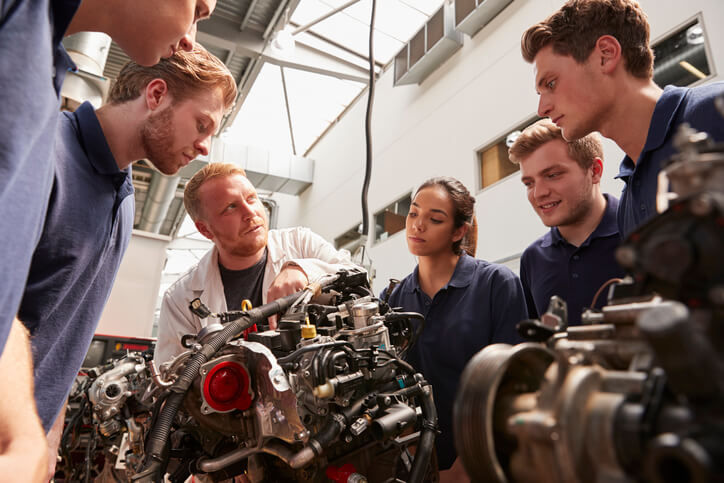
The automotive industry continues to evolve, but successful technicians understand both traditional and modern systems. Carburetors provide an excellent foundation for learning how engines breathe, burn fuel, and generate power.
Whether working on a classic vehicle or diagnosing a modern fuel injection system, the lessons learned from carburetors remain valuable throughout a technician’s career.
Do you want to explore a wide range of auto careers?
Contact ATC Toronto for more information.
Key Takeaways
- What is the carburetor? It is a mechanical device that mixes fuel and air before combustion.
- What does a carburetor do? It helps deliver the proper air-fuel mixture to the engine.
- Carburetors are uncommon in modern vehicles but are still found in some older and specialty equipment.
- Understanding carburetor function helps students learn important engine fundamentals.
- Carburetors illustrate fuel delivery, airflow, and combustion principles that still apply today.
- Learning older technologies strengthens diagnostic skills for modern automotive systems.
FAQ
What Does a Carburetor Do?
A carburetor mixes air and fuel in the correct ratio before delivering that mixture to the engine’s cylinders.
Are Carburetors Still Used in Modern Vehicles?
Carburetors are rarely found in modern passenger vehicles but remain common in some small engines, motorcycles, classic cars, and specialty applications.
What Can New Mechanics Learn From Carburetors?
Carburetors teach technicians the fundamental relationship between airflow, fuel delivery, engine performance, and combustion.
How Is a Carburetor Different From Fuel Injection?
A carburetor relies on mechanical airflow and pressure differences to deliver fuel, while fuel injection uses electronically controlled injectors and sensors.