Car Radiators Explained: What They Do and What Techs Inspect
TL;DR
A car radiator system helps regulate engine temperature by transferring heat away from the coolant and releasing it into the surrounding air. Without a properly functioning radiator, engines can overheat, leading to reduced performance and potential damage. Understanding how a car radiator works helps future technicians diagnose cooling system issues and perform effective inspections.
A car radiator system is one of the most important components in a vehicle’s cooling system. Modern engines generate significant amounts of heat during operation, and without proper cooling, temperatures can quickly rise to damaging levels.
For students pursuing auto mechanic training, learning how radiators function provides an essential foundation for understanding engine performance, diagnostics, and preventive maintenance.
What Does a Radiator Do in a Car?
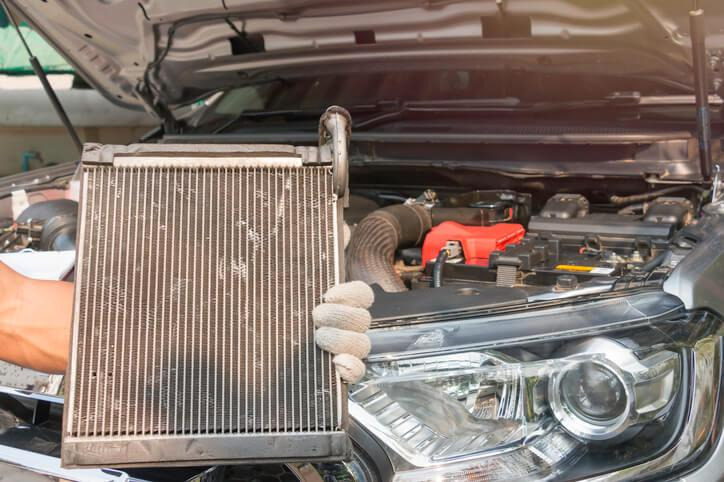
A radiator removes excess heat from the engine by cooling the hot coolant that circulates through the engine block.
As coolant absorbs heat from the engine, it travels to the radiator, where air passing through the radiator fins helps dissipate that heat. The cooled coolant then returns to the engine to repeat the cycle.
The vehicle radiator plays a critical role in maintaining the engine’s operating temperature. If the radiator cannot remove heat effectively, engine temperatures may rise, increasing the risk of overheating and mechanical damage.
How Does a Radiator Work?
A radiator works by circulating hot coolant through a network of tubes and fins that transfer heat to the outside air.
When coolant enters the radiator, it flows through small passages designed to maximize surface area. As air moves across the fins, either from vehicle movement or cooling fans, heat transfers from the coolant into the atmosphere.
Students at our auto mechanic school learn that the radiator works alongside several other cooling system components, including:
- Water pumps
- Thermostats
- Cooling fans
- Hoses
- Coolant reservoirs
Together, these components help ensure consistent engine temperature under varying driving conditions.
What Are the Signs of Radiator Problems?
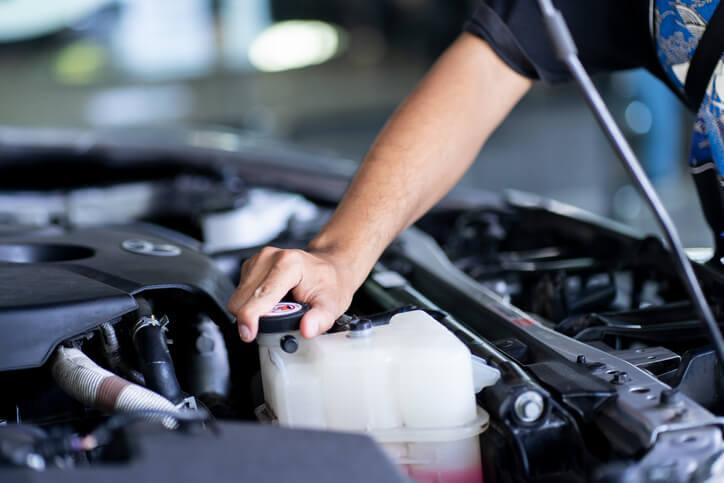
Common signs of radiator problems include overheating, coolant leaks, low coolant levels, discoloured coolant, and visible radiator damage.
Technicians may investigate symptoms such as:
- Rising temperature gauge readings
- Steam from the engine compartment
- Coolant puddles under the vehicle
- Frequent coolant loss
- Corrosion or damaged radiator fins
NAPA Canada’s guide to cooling system maintenance also explains why checking coolant levels and coolant condition can help identify problems before they become more expensive.
A clogged or leaking car radiator can reduce cooling efficiency and place additional strain on the engine. Identifying these issues early can help prevent more expensive repairs later. Cooling system inspections can help identify problems before overheating occurs.
Do Automotive Service Technicians Inspect Radiators?
Yes. Radiator inspections are a routine part of cooling system maintenance and vehicle diagnostics.
During inspections, technicians may check for leaks, damaged fins, corrosion, coolant condition, hose integrity, and proper cooling fan operation. Pressure testing may also be performed to identify hidden leaks within the system.
If you want to become a mechanic, you should learn that cooling system inspections are an important preventive maintenance service. Because overheating can lead to serious engine damage, identifying cooling system concerns early helps protect vehicle reliability and performance.

Why Radiator Knowledge Matters for Future Technicians
Cooling system issues are among the most common vehicle concerns technicians encounter. Understanding how radiators function allows technicians to diagnose overheating problems, identify component failures, and recommend appropriate repairs.
For students pursuing auto mechanic training, radiator knowledge provides an important introduction to engine cooling systems and vehicle maintenance. These skills help prepare future technicians for a wide variety of automotive service situations.
Are you interested in learning how to become a mechanic?
Contact ATC Cambridge for more information.
Key Takeaways
- A radiator car system helps regulate engine temperature and prevent overheating.
- A car radiator cools hot coolant before it returns to the engine.
- Radiators work with water pumps, thermostats, fans, and hoses as part of the cooling system.
- Common signs of radiator problems include overheating, leaks, and coolant loss.
- Technicians routinely inspect radiators during cooling system maintenance and diagnostics.
- Understanding radiator operation is an important skill for students pursuing auto mechanic training.
FAQ
What Does a Radiator Do in a Car?
A radiator removes excess heat from the engine by cooling the hot coolant that circulates through the engine block.
How Does a Radiator Work?
A radiator works by circulating hot coolant through a network of tubes and fins that transfer heat to the outside air.
What Are the Signs of Radiator Problems?
Common signs of radiator problems include overheating, coolant leaks, low coolant levels, discoloured coolant, and visible radiator damage.
Do Automotive Service Technicians Inspect Radiators?
Yes. Radiator inspections are a routine part of cooling system maintenance and vehicle diagnostics.