Car Mechanic Profession: What Students Should Know Before Training
A Quick Guide to the Car Mechanic Profession
The car mechanic profession combines technical expertise with problem-solving, communication, and continuous learning. Quality automotive training gives students practical experience with diagnostics, repairs, and shop safety while preparing them for entry-level opportunities. With the right foundation, aspiring technicians can build rewarding auto careers across many areas of the automotive industry.
Whether you’re the person friends call when something doesn’t sound right under the hood, or you’re simply looking for a practical career with room to grow, the car mechanic profession offers the chance to solve real problems every day. No two vehicles or repair jobs are exactly alike, making the work both challenging and rewarding.
If you’ve ever wondered how to become a mechanic, the journey starts with developing the right technical skills and gaining hands-on experience. Enrolling in an auto mechanic school provides a structured way to learn modern vehicle systems while building the confidence employers look for in entry-level technicians.
What Does a Car Mechanic Do Day to Day?
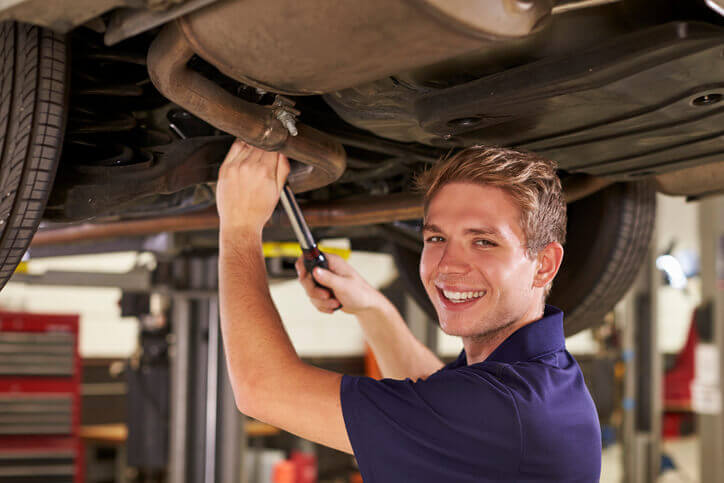
A car mechanic diagnoses vehicle problems, performs maintenance, completes repairs, and helps keep vehicles safe and reliable.
A typical day may include:
- Inspecting vehicles and identifying mechanical issues
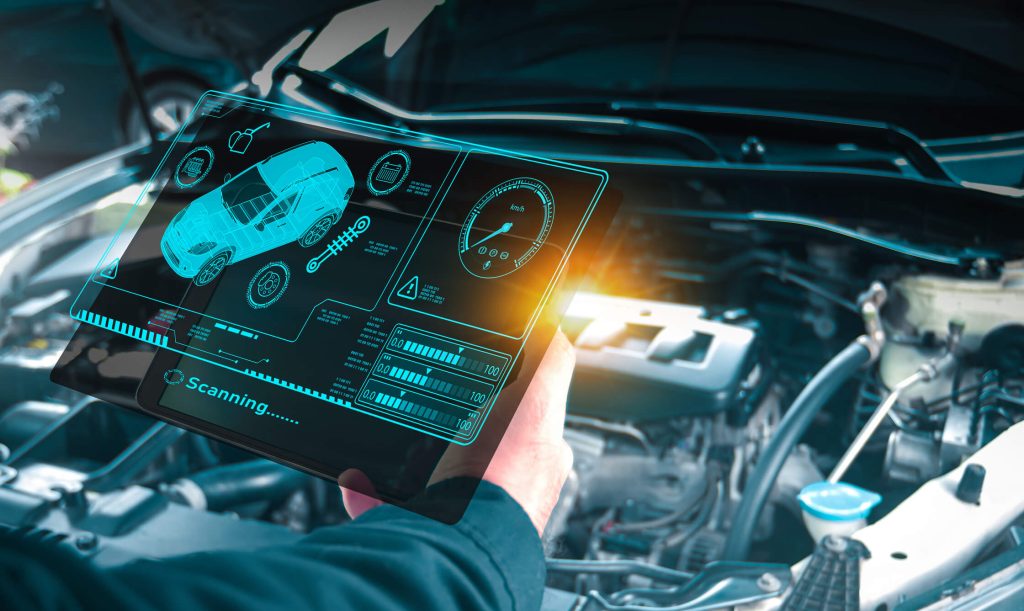
- Using diagnostic scanners to locate faults
- Servicing brakes, steering, suspension, and engine systems
- Performing oil changes and preventive maintenance
- Testing repairs before returning vehicles to customers
- Explaining findings clearly to service advisors or customers
Today’s technicians work on everything from traditional gasoline engines to hybrid and electric vehicles, so learning never really stops.
How Do You Become a Car Mechanic?
Most students begin by completing professional automotive training, gaining practical shop experience, and then continuing to build their skills through entry-level employment and apprenticeship opportunities.
If you’re researching how to start being a mechanic or asking yourself, how do you become a mechanic, a structured training program helps you develop the technical knowledge employers expect. Students also gain experience using professional tools, reading repair information, and following proper safety procedures.
Many people interested in becoming car technicians choose career-focused training because it provides valuable hands-on experience before entering the workforce.
What Skills Do New Mechanics Need First?
Successful technicians combine technical ability with strong problem-solving, communication, and attention to detail.
Some of the most important skills include:
- Mechanical aptitude
- Diagnostic thinking
- Electrical system fundamentals
- Safe workshop practices
- Time management
- Communication and teamwork
- Willingness to learn new technologies
As vehicles continue to evolve, adaptability becomes just as valuable as technical knowledge.
Why Continuous Learning Is Part of the Job
Why is continuous learning important in the car mechanic profession? Continuous learning is important in the car mechanic profession because vehicle technology continues to evolve. Today’s technicians may service gasoline-powered vehicles, hybrids, electric vehicles, and advanced driver assistance systems: all within the same week.
For anyone wondering how to become a mechanic or how to become a car technician, developing a habit of learning is just as important as mastering basic repairs. Manufacturers regularly introduce new technologies, diagnostic procedures, and software updates. By staying current through ongoing education and hands-on experience, technicians build stronger problem-solving skills, remain valuable to employers, and create more opportunities for long-term auto careers.
Is Automotive Training a Good First Step Into the Trade?
Yes. Professional automotive training allows students to build practical experience before entering the workplace.
A quality auto mechanic school allows students to work with industry-standard equipment while learning topics such as:
- Engine performance
- Brake systems
- Steering and suspension
- Electrical diagnostics
- Preventive maintenance
- Shop safety
- Customer service fundamentals
Training also introduces students to potential auto careers, including positions at dealerships, independent repair facilities, fleet maintenance shops, specialty performance shops, and other automotive employers.
Ready to Start Your Automotive Career?
If you’re considering the car mechanic profession, our auto mechanic school provides hands-on automotive training designed to prepare students for entry-level opportunities in today’s automotive industry. Building practical skills today can open the door to rewarding auto careers tomorrow.
Are you interested in exploring a wide range of auto careers?
Contact ATC Toronto for more information.
Key Takeaways
- The car mechanic profession combines technical knowledge, diagnostics, customer communication, and continuous learning.
- Students wondering how to become a mechanic benefit from structured, hands-on automotive training.
- Learning how to start being a mechanic involves developing practical repair, diagnostic, and safety skills.
- Those asking how to become a mechanic or how to become a car technician can gain valuable experience through career-focused training before entering the workforce.
- A quality auto mechanic school helps students prepare for a variety of auto careers across today’s automotive industry.
FAQ
What does a car mechanic do day to day?
A car mechanic diagnoses problems, performs maintenance, repairs vehicle systems, tests repairs, and helps keep vehicles operating safely and efficiently.
How do you become a car mechanic?
Most future mechanics begin with professional automotive training, develop hands-on skills, and continue learning through entry-level work and apprenticeship opportunities.
What skills do new mechanics need first?
New mechanics need strong mechanical aptitude, diagnostic thinking, communication skills, attention to detail, and a commitment to safe work practices.
Is automotive training a good first step into the trade?
Yes. Career-focused training helps students develop practical experience, technical knowledge, and the confidence needed to pursue entry-level positions in the automotive industry.